
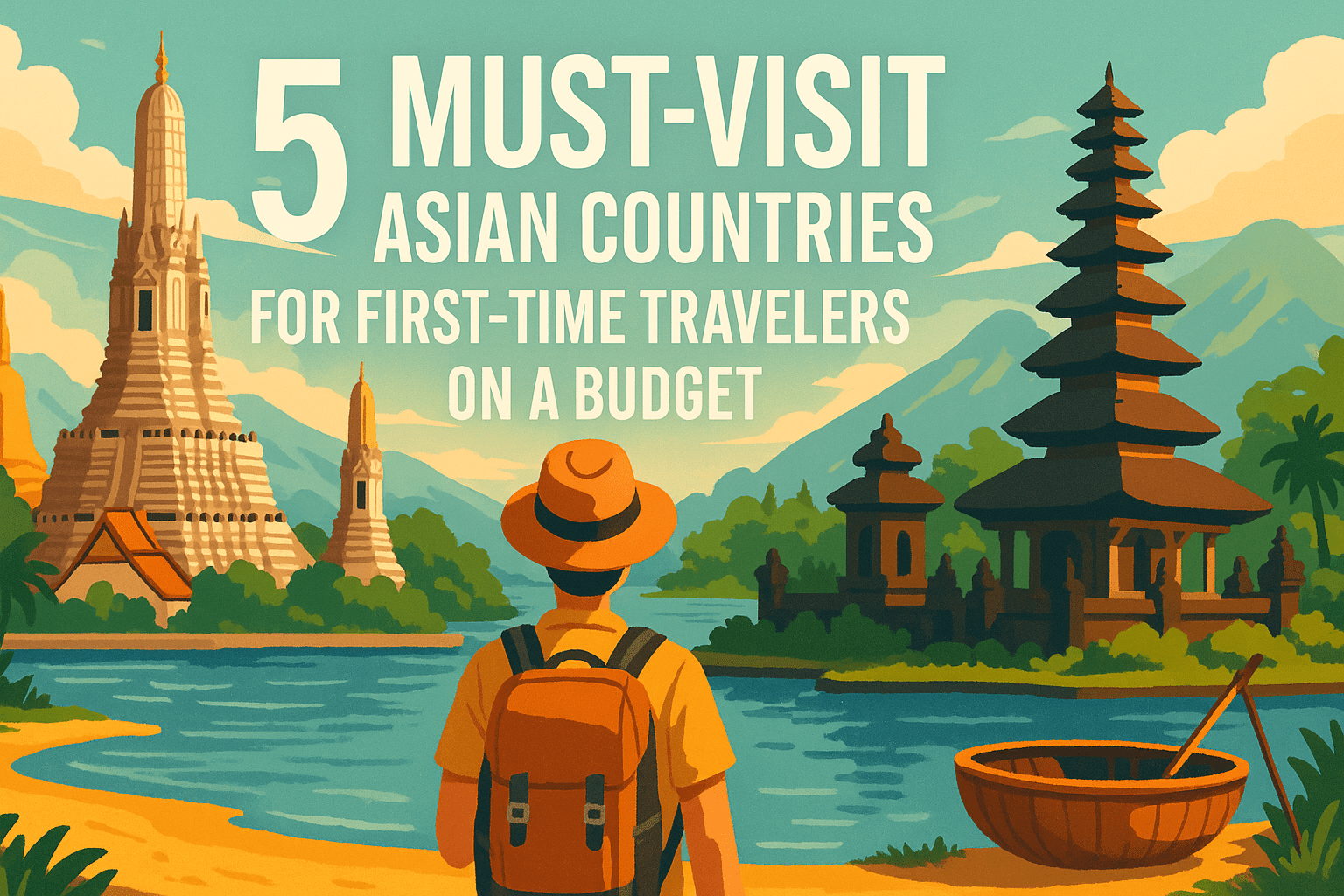
Alright, you’ve heard the call of Asia – the tantalizing smells of street food, the dazzling temples, the bustling markets, and the unbelievably beautiful landscapes. But maybe you’re thinking it’s too expensive, too complicated, or just too… much for a first-timer, especially if you’re watching your wallet.
Well, hold up! As someone who’s navigated these lands for years on a shoestring, let me tell you, exploring Asia on a budget isn’t just possible, it’s practically a rite of passage. This article is your personal guide to unlocking incredible experiences without breaking the bank, focusing specifically on the best budget friendly Asian countries for first time travelers.
By the end of this, you’ll have a clear picture of where to go, how long to stay, what it’ll cost, and how to get between them smoothly, especially if you’re in your early 20s and keen to meet people and have unforgettable experiences without needing a trust fund.
Quick Guide & Why Trust This Advice
This guide is based on author Ethan Hall’s years of on-the-ground experience backpacking Asia on a shoestring. Here’s what you need to know at a glance:
- Best Countries for Beginners: Thailand, Vietnam, Malaysia, Cambodia, and Indonesia (Bali).
- Average Daily Budget: You can comfortably travel in these countries for $25 – $45 USD per day.
- Top Money-Saving Tip: Eat street food! It’s cheap, delicious, and the most authentic way to experience the culture.
- A Proven Travel Route: A common path is Thailand → Cambodia → Vietnam, with budget flights to Malaysia and Indonesia.
5 Best Asian Countries for First-Time Budget Travelers
Planning a first trip to Asia can feel overwhelming. Where do you start? How do you connect the dots? For budget travelers, particularly those new to the continent, a logical route through Southeast Asia often makes the most sense due to affordable flights and overland transport connections. Here are five countries that are fantastic starting points, often linked by well-trodden budget travel paths.
| Country | Daily Budget | Recommended Stay | Best For… | Vibe & Social Scene |
|---|---|---|---|---|
| Thailand | $25 – $40 USD | 10-14 Days | The All-Rounder (Food, Beaches, Parties) | High-energy, massive backpacker hubs. Very social. |
| Malaysia | $30 – $50 USD | 7-10 Days | Cultural Diversity & Easy Travel | Modern, multicultural. Great for foodies and city explorers. |
| Vietnam | $20 – $35 USD | 14-21 Days | Incredible Value & Scenery | Energetic and historical with a strong, well-defined backpacker trail. |
| Cambodia | $25 – $45 USD | 5-7 Days | Ancient History & Profound Experiences | Historical and reflective, with a lively social hub in Siem Reap. |
| Indonesia (Bali & Islands) | $25 – $45 USD | 7-14 Days | Island Life & Natural Beauty | Bohemian, surf-centric, and spiritual. Very popular with young travelers. |
1. Thailand: The Classic Gateway to Southeast Asia
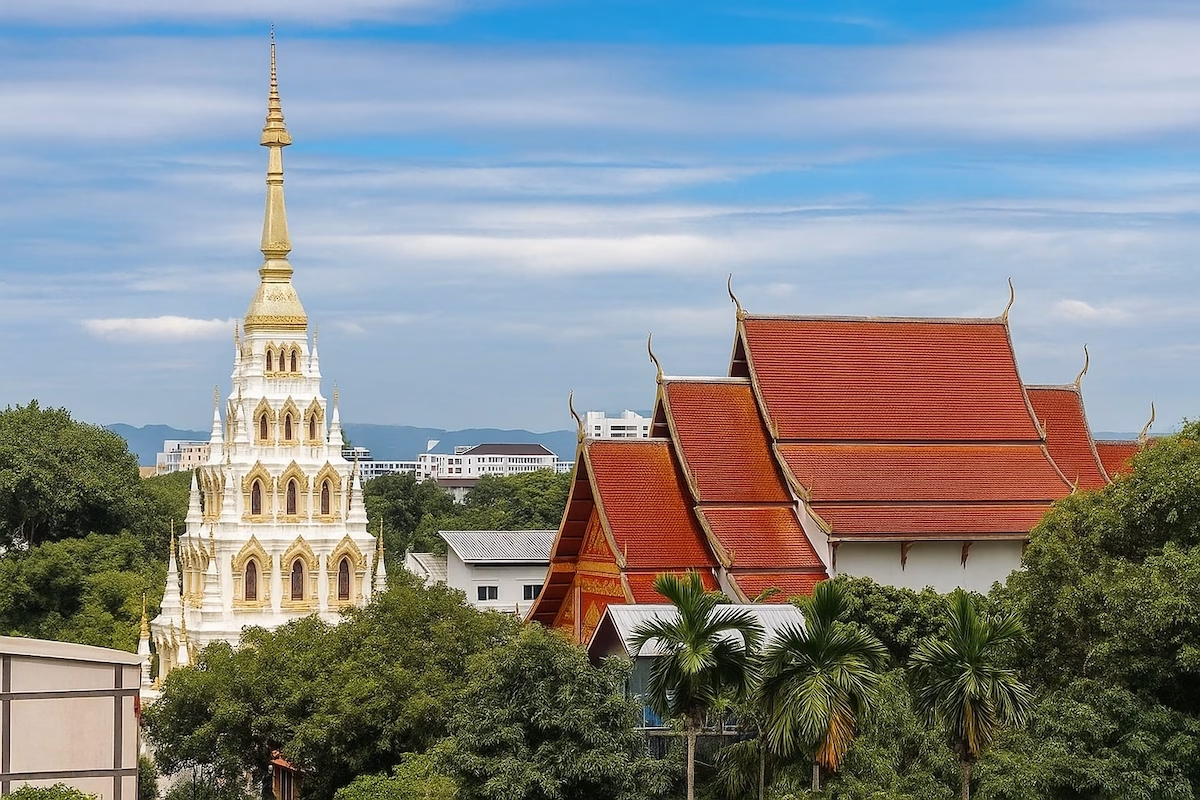
Why it’s Great for First-Timers on a Budget: Thailand is the quintessential Southeast Asian starter country. It’s got everything: vibrant cities, stunning beaches, ancient ruins, incredible food, and a well-established tourist infrastructure that makes independent travel surprisingly easy. Importantly, it’s incredibly affordable once you’re there. Transport options are plentiful and cheap, from local buses and trains to budget airlines. Accommodation ranges from dirt-cheap hostels to budget guesthouses, and the street food scene is legendary for both its flavor and low cost. This makes it a prime example of a country where affordable food is everywhere.
Budget Per Day: Aim for $25 – $40 USD per day. This covers hostel dorms, eating mostly local food/street food, using public transport, and entry fees for some attractions. You can definitely do it cheaper if you’re super frugal, but this range allows for comfort and a few paid activities.
Recommended Days: 10-14 days is a good starting point. This lets you experience Bangkok’s buzz, perhaps visit Chiang Mai for culture and mountains, and squeeze in some island time without feeling rushed. Any less and you’ll barely scratch the surface.
Good for Early 20s Travelers: Absolutely! Thailand has a massive backpacker scene, especially in places like Bangkok’s Khao San Road, Chiang Mai, and the southern islands. Hostels are social hubs, and it’s easy to find travel buddies for day trips or nights out. The energy is high, the activities (trekking, diving, parties) are varied, and the infrastructure caters perfectly to this demographic.
Practical Route Link to Next Country: Thailand shares land borders with Laos, Cambodia, and Malaysia, all accessible via relatively cheap buses or trains. Many budget travelers head south towards Malaysia or Cambodia next.
2. Malaysia: A Diverse & Accessible Budget Destination
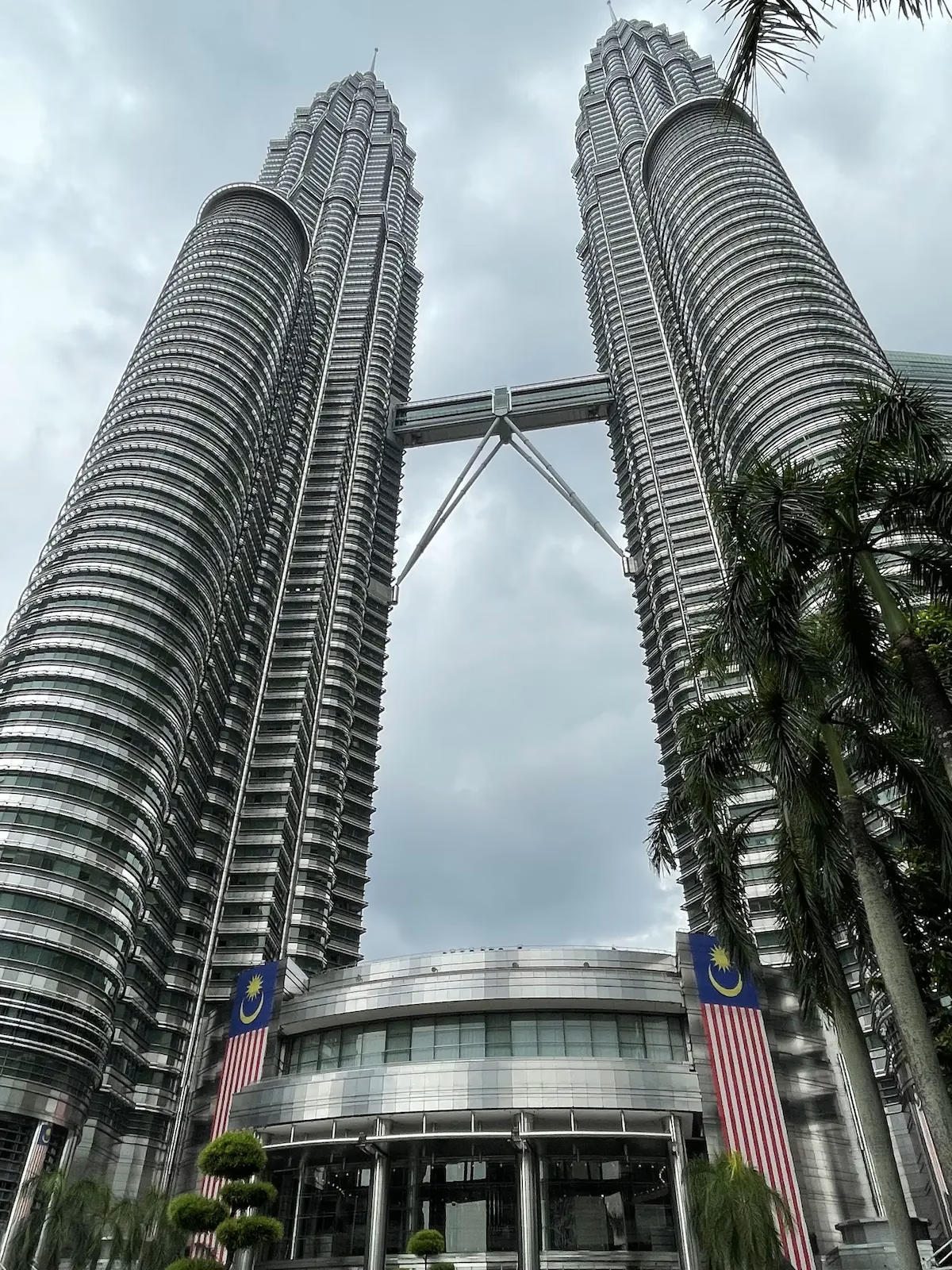
Why it’s Great for First-Timers on a Budget: Malaysia offers a fantastic blend of cultures (Malay, Chinese, Indian) and stunning landscapes, from modern cities like Kuala Lumpur to lush rainforests and beautiful islands. It’s slightly more developed than some of its neighbors, which means infrastructure is generally excellent, making travel smooth and safe. The public transport in cities like KL is top-notch and cheap, accommodation options are varied (hostels, budget hotels), and food courts and hawker centers offer incredible, affordable meals. You can also find fantastic cities that are great bases for longer stays due to connectivity and cost.
Budget Per Day: $30 – $50 USD per day. KL can be slightly more expensive for accommodation than rural areas, but transport and food remain cheap. This budget allows for comfortable hostel stays or budget hotels, eating at hawker centers, and experiencing city attractions and maybe a side trip or two.
Recommended Days: 7-10 days. Enough time to explore Kuala Lumpur, maybe visit the historical city of Malacca or Penang for its food and culture, and perhaps a quick hop to an island like Langkawi or the Perhentians (season permitting).
Good for Early 20s Travelers: Very suitable. KL has a vibrant youth scene and plenty of hostels. Penang is popular for its street art and food culture, which appeals to younger travelers. It’s also a country where English is widely spoken, easing navigation.
Practical Route Link to Next Country: Southern Malaysia borders Singapore (train/bus), and mainland Malaysia connects easily by bus or budget flight to Vietnam or Indonesia. Many travelers take a bus south towards Singapore before flying elsewhere, or head towards Vietnam.
3. Vietnam: The Ultimate in Value for Backpackers
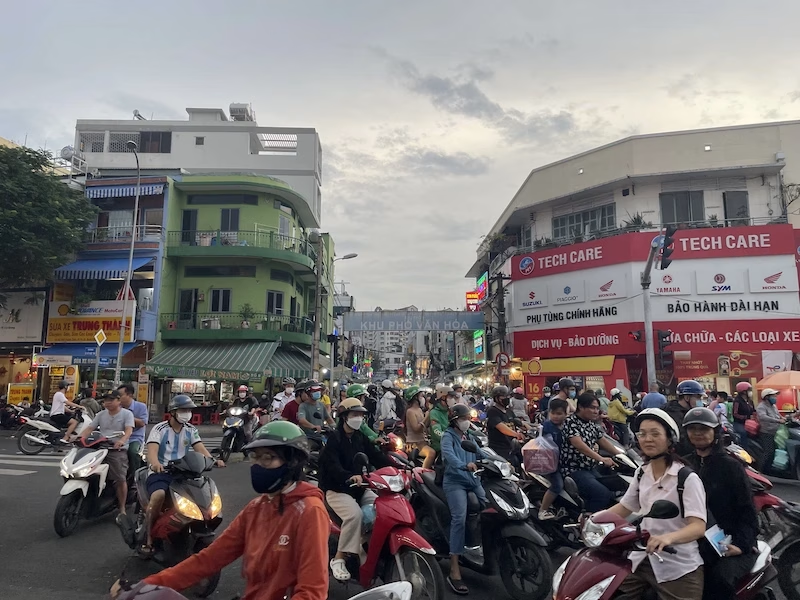
Why it’s Great for First-Timers on a Budget: Vietnam is famous for being incredibly budget-friendly, often cited as one of the cheapest countries to travel extensively. It offers a rich history, stunning natural beauty (from the northern mountains to the Mekong Delta), chaotic but charming cities, and arguably the best street food scene in Asia. The ‘Open Bus’ system makes traveling the length of the country relatively easy and extremely cheap. Accommodation is very affordable, and you can eat like royalty on just a few dollars a day.
Budget Per Day: $20 – $35 USD per day. This is where your money really stretches. You can easily find hostel beds for under $10, eat pho or banh mi on the street for $1-3 a meal, and use local transport for cents. Activities like visiting historical sites or taking a boat trip are also very reasonably priced.
Recommended Days: 14-21 days. Vietnam is a long country! To travel from North (Hanoi) to South (Ho Chi Minh City) or vice-versa and see key highlights like Halong Bay, Hue, Hoi An, and maybe the Mekong Delta needs ample of time.
Good for Early 20s Travelers: Excellent. The backpacker trail is well-defined, making it easy to meet others. Hostels are social, and there’s a huge range of activities catering to adventurous and social travelers, from motorbike tours to pub crawls. The energy of the cities is infectious.
Practical Route Link to Next Country: Vietnam borders Cambodia (bus) and Laos (bus/slow boat). Many travelers head from Ho Chi Minh City to Phnom Penh or Siem Reap in Cambodia.
4. Cambodia: Profound History on a Shoestring Budget
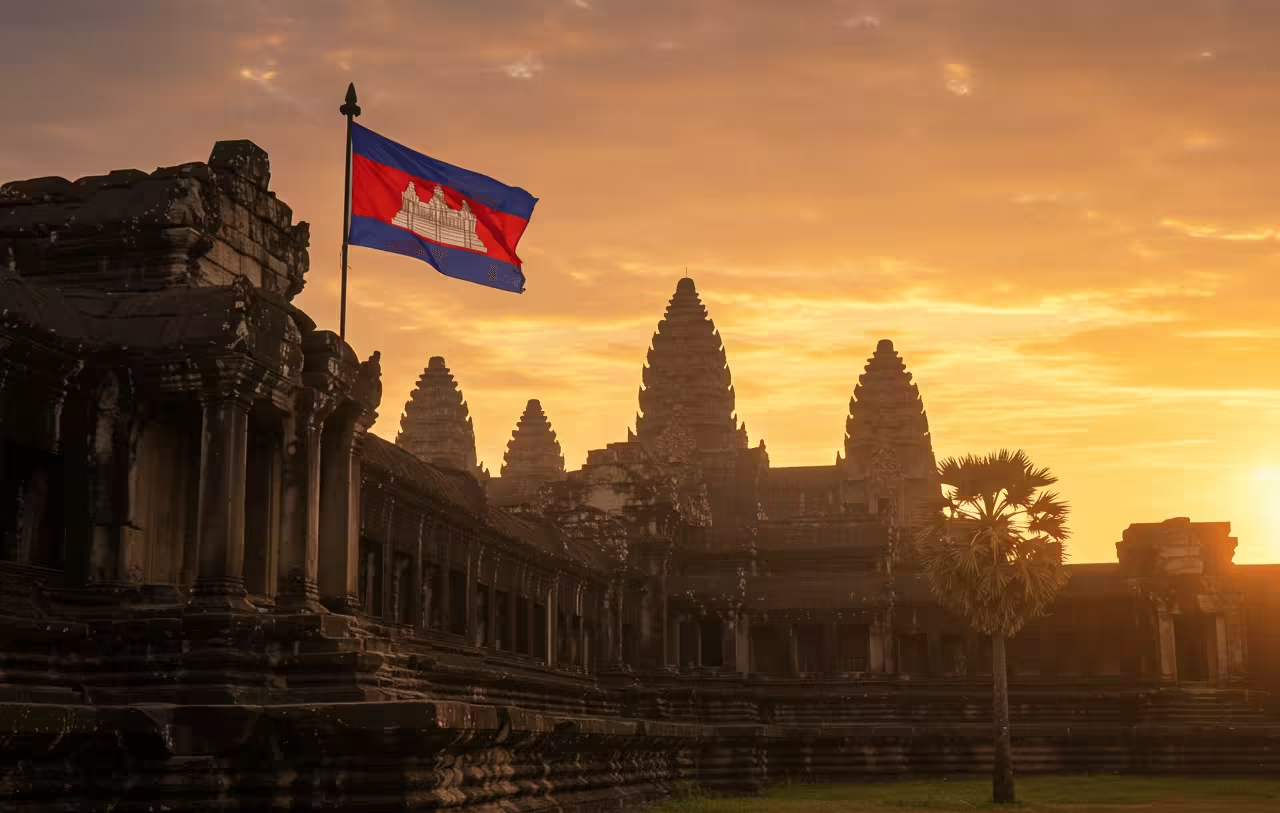
Why it’s Great for First-Timers on a Budget: Cambodia offers a profound cultural and historical experience, primarily centered around the awe-inspiring temples of Angkor Wat. While Angkor Wat itself is a significant cost (the multi-day pass is worth it!), the country is otherwise incredibly affordable. Accommodation, food, and local transport (like tuk-tuks) are very cheap.
Budget Per Day: $25 – $45 USD per day (excluding the Angkor pass, which is a one-time fee, currently $37 for 1 day, $62 for 3 days, $72 for 7 days). This covers cheap guesthouses or hostels, eating local food, getting around Siem Reap or Phnom Penh, and entrance fees to other sites.
Recommended Days: 5-7 days. This gives you enough time for 3-4 days in Siem Reap to explore Angkor Wat and the surrounding area properly, plus a day or two in Phnom Penh to visit the historical sites there.
Good for Early 20s Travelers: Good. Siem Reap has a lively Pub Street area and many social hostels catering to backpackers visiting Angkor. Phnom Penh is a bit more subdued but offers important historical context.
Practical Route Link to Next Country: Cambodia borders Thailand and Vietnam (bus). The most common routes are bus from Siem Reap to Bangkok or bus from Phnom Penh to Ho Chi Minh City. It also has international airports for budget flights further afield.
5. Indonesia (Bali): Island Paradise for Budget Travelers
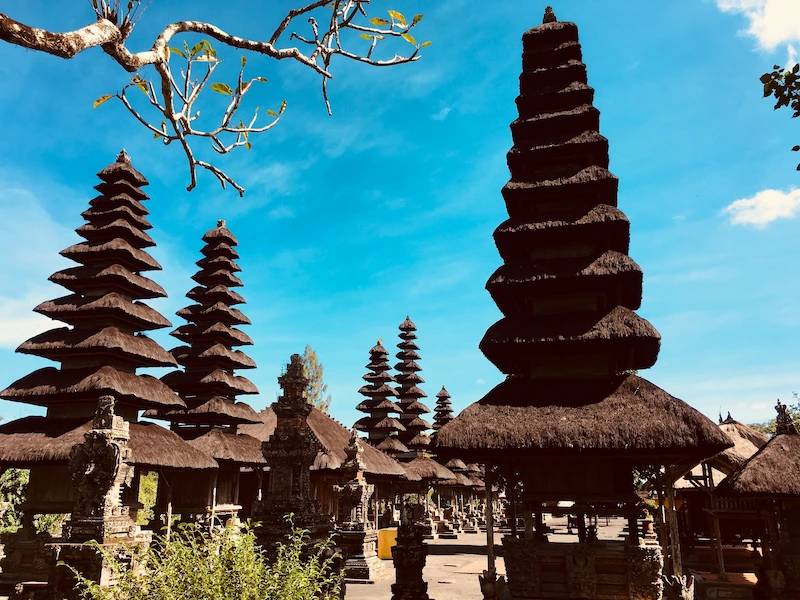
Why it’s Great for First-Timers on a Budget: Indonesia is vast, but focusing on popular islands like Bali and Lombok makes it manageable and budget-friendly for first-timers. Bali has a huge tourist infrastructure, offering everything from high-end resorts to incredibly cheap guesthouses and homestays. The food, from local warungs (small eateries) to international fare, can be very affordable if you eat like a local. Getting around can be done via scooter rental (cheap but requires caution and skill), ride-sharing apps, or local transport. While some activities can be tourist-priced, everyday costs are low.
Budget Per Day: $25 – $45 USD per day. This allows for comfortable homestay or budget hotel accommodation, eating local food, scooter rental costs, and entry fees to temples or natural sites. Island hopping adds to the cost but is manageable with budget ferries.
Recommended Days: 7-14 days. This lets you split your time between different areas of Bali (e.g., Ubud for culture, Canggu/Seminyak for beaches/social scene) and maybe hop over to the Gili Islands or Lombok for a different vibe.
Good for Early 20s Travelers: Excellent. Bali is a global hotspot for younger travelers, surfers, and digital nomads. Canggu and Uluwatu have huge surf and social scenes. Ubud attracts those interested in yoga and culture. Hostels and co-living spaces are abundant.
Practical Route Link to Next Country: Bali has a major international airport with frequent budget flights to Australia, Southeast Asian hubs like Kuala Lumpur and Singapore, and domestic flights connecting to other parts of Indonesia if you decide to extend your trip.
“Travel is the only thing you buy that makes you richer.”
– Anonymous
The Core Principles of Budget Travel in Asia
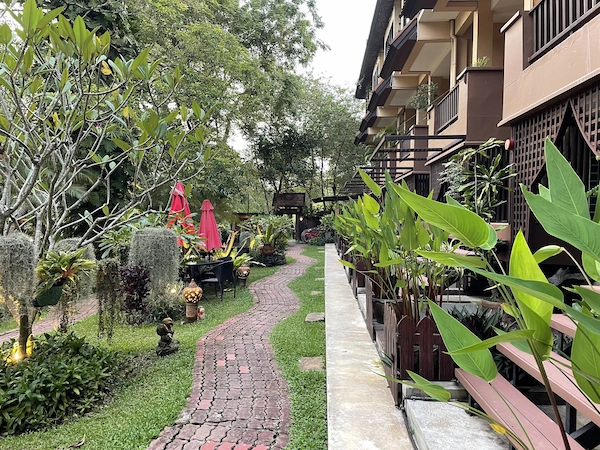
Okay, you know where to go. Now, let’s talk about how to do it without constantly checking your bank balance. These are the foundational principles I live by on the road in Asia.
Sleep Smart (Save $10-$50+/Night):
- Hostels Rule: Dorm beds = $5-$15/night. Perfect for solos & under-30s. Bonus: Free breakfast & instant friends! So pick hostels with social vibes.
- Private & Cheap: Guesthouses/budget hotels = $15-$30/night. Use Hostelworld, Booking.com, or Agoda (filter by price & rating).
- Pro Tip: Book 1-2 nights ahead max. Stay flexible!
Eat Like a Local (Save $5-$15+/Meal):
Street Food is King: $1-$4 gets you authentic, delicious meals. Look for: Busy stalls & locals eating there.
Skip Tourist Traps: Restaurant meals can cost 5-10x more.
Pro Tip: Markets = cheap eats & cultural immersion.
Move Cheaply (Save $20-$100+/Trip):
- Between Countries: Budget airlines (AirAsia, VietJet) often beat long buses. Book early OR check last-minute deals.
- Within Countries: Buses & trains = super cheap (but slow).
City Travel: Songthaews or Tuk-tuks (always agree on the price FIRST), or use Grab/Gojek.

Play for Free (Save $5-$50+/Day):
Asia’s best stuff is often FREE:
Explore local markets & temples (some free/donation-based).
Hike public trails & national park fringes.
Chill on public beaches.
Soak up street life & neighbourhood vibes.
Join free walking tours (tip the guide!). You see, culture & nature don’t need a ticket.
I remember my first time navigating Bangkok. I took a metered taxi from the airport without much thought. Cost me maybe $15. A few days later, heading back towards that area, I learned about the Airport Rail Link followed by the BTS Skytrain.
Total cost? Under $2. It was faster, avoided traffic, and dramatically cheaper.
Pro Tips to Save Even More Money in Asia
Mastered the basics? Use these pro moves to save more and travel smarter:
Get Connected Cheap: A Guide to Staying Online
Staying connected is essential for maps, booking, and emergencies. You have two excellent options:
- Option 1: The Ultimate Convenience (eSIMs)
eSIMs are digital SIM cards you can install on your phone before you even leave home. This is the easiest method.- Pros: Instant connectivity the moment you land, no need to find a store, easy to manage multiple country plans from an app.
- Cons: Can be slightly more expensive per gigabyte than a local SIM, requires a newer, eSIM-compatible phone.
- Recommended Apps: Airalo, Nomad.
- Option 2: The Cheapest Data (Local SIM Cards)
This involves buying a physical SIM card upon arrival.- Pros: Often the absolute cheapest way to get a large amount of data, provides you with a local phone number.
- Cons: You have to find a store at the airport or in the city (like a 7-Eleven), the setup can take time, and you’ll need to physically swap your SIM card.
Verdict: For shorter trips or multi-country hopping, the convenience of an eSIM is worth the small extra cost. For long stays in a single country or if you’re on the tightest budget, a local SIM offers the best value.
Bargain Like a Pro: A Guide to Respectful Haggling
Haggling is part of the shopping culture in many Asian markets, but there’s an art to doing it right. It should be a friendly, lighthearted exchange, not a battle.
Where to Haggle (and Where Not To)
| ✅ DO Haggle Here: | Open-air markets (like Chatuchak in Bangkok), souvenir stalls, and for tuk-tuk rides that don’t have a meter. |
| ❌ DON’T Haggle Here: | Restaurants, convenience stores (like 7-Eleven), shopping malls with price tags, or at street food stalls. The price is the price. |
The Four Rules of Haggling
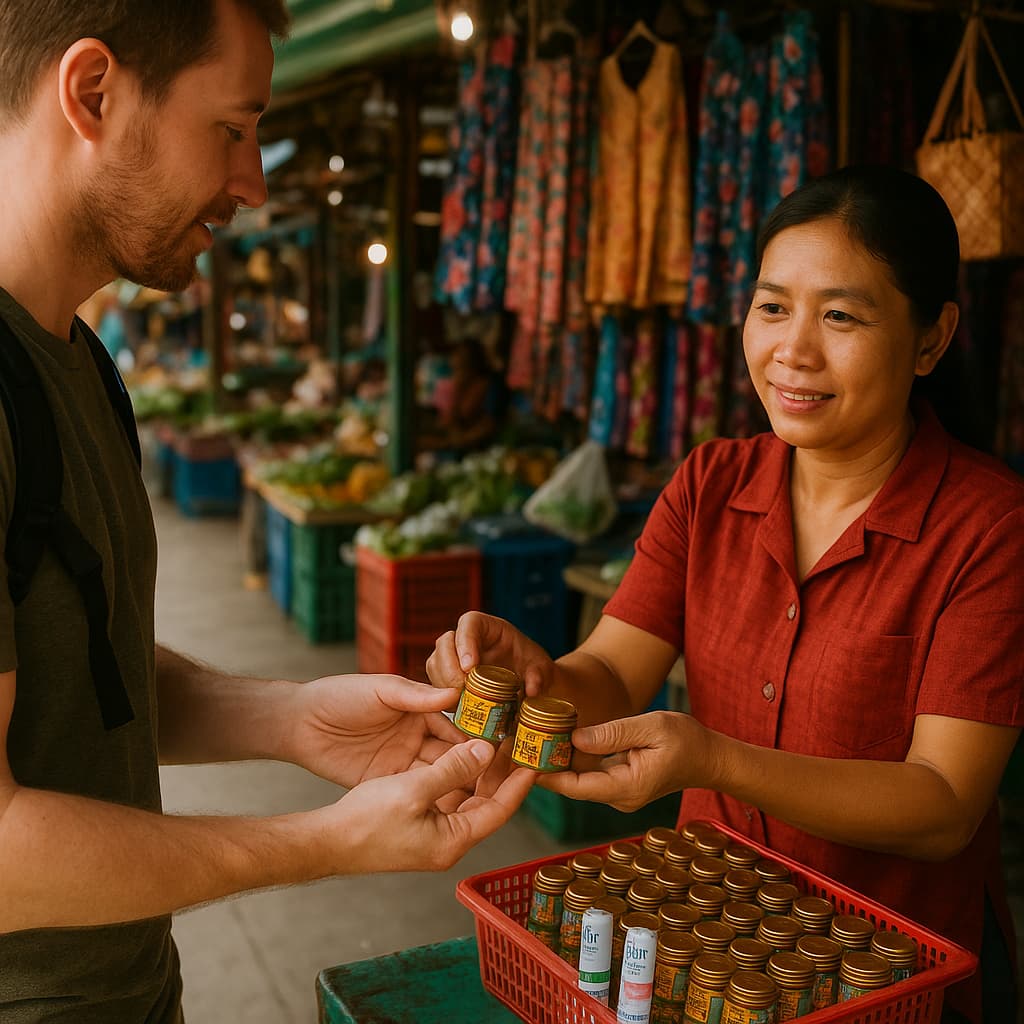
- Always Start with a Smile: Greet the vendor politely. A friendly attitude is your most important tool. Never be aggressive or dismissive of their products.
- The 50% Rule: As a general guideline, offer a starting price that’s around 50-60% of their initial asking price. They will likely laugh or act shocked—this is part of the game! From there, you can slowly meet somewhere in the middle.
- Know the Real Price: Before you start, get a feel for the fair price of an item. Ask your hostel staff what they would pay for a t-shirt or a taxi ride. This gives you a realistic target.
- The Friendly Walk-Away: If you can’t agree on a price, it’s perfectly fine to smile, say “thank you,” and slowly walk away. If your offer was reasonable, you’ll often get a call back with a better price. If not, you know the vendor’s limit.
Must-Have Travel Apps for Southeast Asia
Financial & Payment Apps (The Real Money-Savers)
- Wise / Revolut: This is non-negotiable for saving money. These apps give you multi-currency accounts, allowing you to hold local currency (like Thai Baht) and pay with a physical or virtual card at a much better exchange rate than your home bank. They are essential for avoiding terrible ATM fees and international transaction charges.
- XE Currency: For quick, on-the-spot conversions when you’re at a market stall and need to know the price in your home currency instantly. Pro-Tip: Set your main currencies as favorites for one-tap access.
- A Budget Tracker (e.g., Trail Wallet, Wallet): It’s easy to lose track of small purchases. An app that tracks your spending in multiple currencies helps you see exactly where your money is going and ensures you stick to your daily budget.
Navigation & Transport Apps
- Grab / Gojek: These are the Uber of Southeast Asia and are absolutely essential. Use them for fair-priced rides (cars and motorbike taxis) and to avoid common taxi and tuk-tuk scams. In some countries, Gojek is more dominant (Indonesia), while in others, Grab is king (Thailand, Vietnam, Malaysia).
- Google Maps & Maps.me: Use both. Google Maps is great for real-time traffic and transit directions. Maps.me is fantastic for its detailed offline maps, perfect for when you’re hiking or in an area with no signal. Pro-Tip: Before you arrive in a new city, download the entire area for offline use in both apps.
Accommodation Apps
- Hostelworld: Still the best app for finding and booking social hostels, reading recent reviews, and getting a feel for the vibe of a place.
- Agoda: This is often the undisputed champion for booking budget guesthouses and hotels in Asia, frequently offering lower prices than other platforms for the same room. Always check Agoda before booking elsewhere.
Communication & Connectivity Apps
- Google Translate: The ability to download languages for offline use is a lifesaver. The camera function (pointing it at a menu to get an instant translation) and the conversation mode are game-changers for communicating with locals.
- Airalo / Nomad: These eSIM apps allow you to buy and install a local data plan before you even land, so you’re connected the moment you step off the plane. It’s incredibly convenient and often cheaper than airport SIM cards.
Travel Responsibly & Make a Positive Impact
Budget travel doesn’t mean you have to be careless. Being a responsible traveler is free and makes your journey more meaningful.
- Choose Ethical Animal Encounters
Never ride elephants. The brutal training process used to make them compliant is known as ‘the crush’ or phajaan. Instead, visit a true sanctuary where the focus is on observation and care, with no riding, tricks, or shows. - Reduce Your Plastic Footprint
Many Southeast Asian countries struggle with plastic waste. Be part of the solution by carrying a reusable water bottle. You can refill it at hostels, cafes, and public filter stations. For purifying tap water, consider a portable filter like a Lifestraw or a UV sterilizer like a SteriPen. - Keep Your Money in the Community
Support local families directly by eating at small, family-run restaurants (warungs in Indonesia), buying handicrafts directly from the artisan who made them, and hiring local guides for tours instead of large international corporations. - Learn a Few Local Phrases
Making a small effort to speak the local language goes a long way and is always appreciated. A smile and a few basic words can transform an interaction.
- Choose Ethical Animal Encounters
| Language | Hello | Thank You |
| Thai | Sawasdee krap (m) / ka (f) | Khop khun krap (m) / ka (f) |
| Vietnamese | Xin chào (sin chow) | Cảm ơn (gahm un) |
| Indonesian | Selamat pagi/siang/sore (good morning/afternoon/evening) | Terima kasih (te-ree-ma ka-see) |
Essential Resources & Final Checklist
Finally, some more specific tips and where to find ongoing, real-time advice.
Packing Light is Packing Smart: Especially on a budget, you’ll likely be moving around a lot. Hauling huge suitcases on crowded buses or negotiating uneven pavements is a nightmare. Learn to pack light – aim for carry-on only if possible.
Consider Multi-City Flights: Sometimes, flying into one city (like Bangkok) and out of another (like Ho Chi Minh City) via a multi-city ticket can be cheaper or more convenient than booking two separate one-way international flights. Play around with flight search engines (Google Flights, Skyscanner, Momondo) using their “explore” or multi-city options.
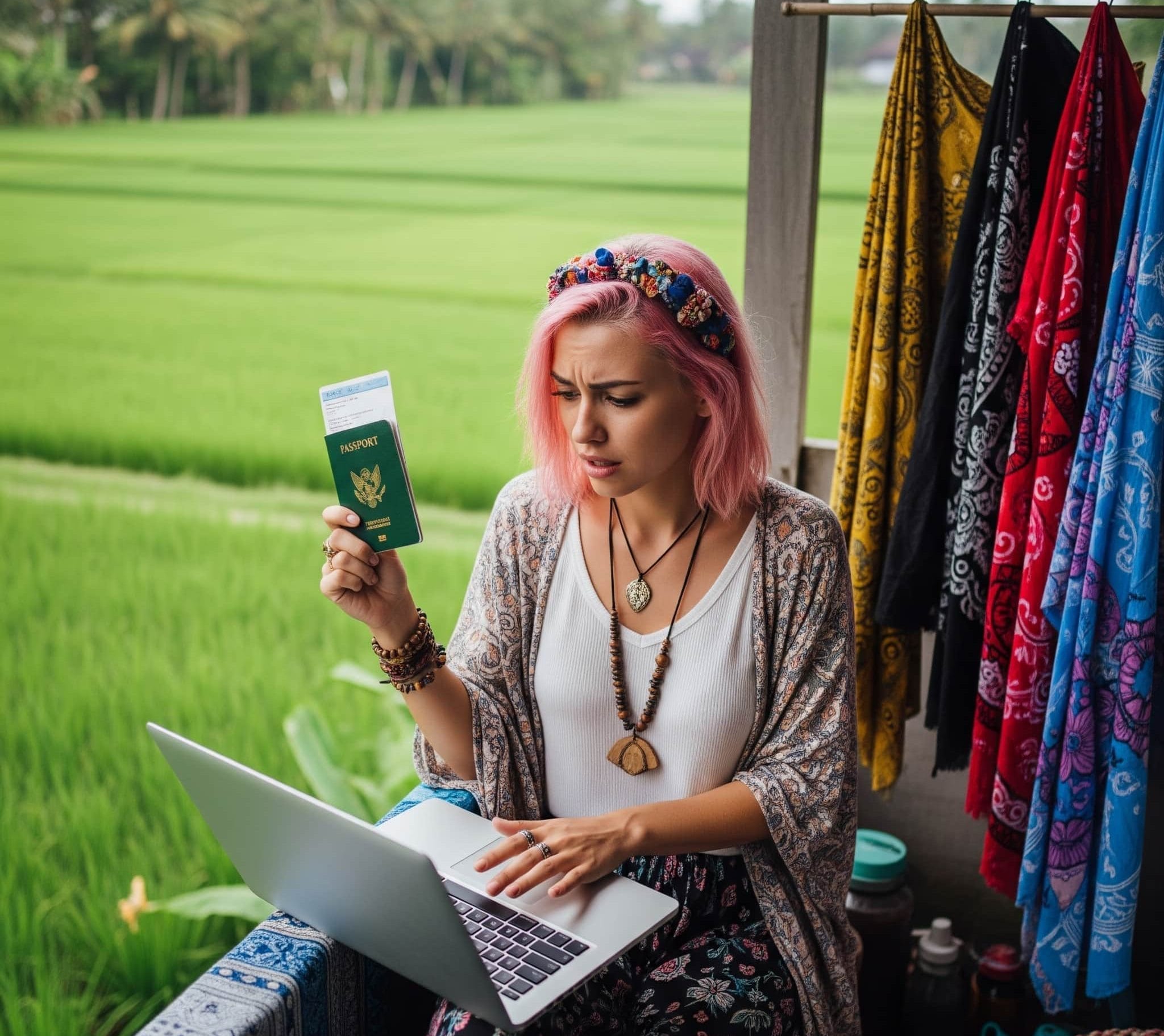
Tap into the Backpacker Community: The wealth of up-to-date information available from fellow travelers is immense. Join Facebook groups for backpackers in specific countries or Southeast Asia general groups. Check forums like the Thorn Tree on Lonely Planet (though less active than it once was) or the subreddits for individual countries (r/Thailand, r/Vietnam, etc.).
Travel Insurance Isn’t Optional: I know, I know, it’s an extra cost when you’re on a budget. But please, don’t skip it. Accidents happen, whether it’s a minor scooter mishap, a bad case of food poisoning, or something more serious. Checking reputable sources like the CDC for health advisories before you go is also wise.
Budget Buffer: Even with meticulous planning, unexpected costs arise. A visa fee you forgot, a spontaneous trip addition, or needing to take a taxi because the bus broke down. Always have a small buffer – perhaps 10-15% of your total budget – set aside for contingencies.
Frequently Asked Questions About Budget Travel in Asia
Here are quick answers to some of the most common questions first-time budget travelers have about visiting Asia.
- What is the absolute cheapest country to visit in Asia for a first-timer?
While all five countries in this guide are affordable, Vietnam often comes out on top as the cheapest. You can comfortably travel on $20-$35 USD per day, thanks to incredibly inexpensive food, accommodation, and transport. - How much money should I save for a 1-month trip to Southeast Asia?
A good budget to aim for is between $1,200 and $1,500 USD for one month. This averages out to about $40-$50 per day, which allows for comfortable hostel stays, plenty of local food, activities, and a buffer for flights or unexpected costs. You can certainly do it for less, but this is a realistic and comfortable target. - Is it safe to travel solo in these countries as a beginner?
Yes, all five countries listed (Thailand, Vietnam, Malaysia, Cambodia, and Indonesia/Bali) have a very well-established and safe backpacker trail. Hostels are social and secure, and locals are generally welcoming. As with any travel, it’s important to use common sense, be aware of your surroundings, and avoid risky situations, especially at night. - Do I need to book everything in advance?
No, and it’s often better not to! For budget travel, it’s best to stay flexible. A good strategy is to book your first 1-2 nights of accommodation in a new city and your major long-distance transport (like an international flight). Otherwise, you can book buses, trains, and subsequent nights in hostels as you go.
Conclusion: Your Affordable Asian Adventure Awaits
Traveling through Asia on a budget as a first-timer is not just doable; it’s an incredibly rewarding experience. Countries like Thailand, Malaysia, Vietnam, Cambodia, and Indonesia offer stunning sights, rich cultures, and welcoming people without demanding a huge financial outlay. By focusing on affordable accommodation, eating local food, using smart transport options, and leveraging free activities, you can easily stick to a budget of $25-$45 a day in many of these places, leaving you more cash for experiences rather than just survival.
Don’t let budget fears hold you back. Asia is waiting, ready to welcome you with open arms (and affordable meals!). With a little planning and these practical tips, you’re not just traveling Asia; you’re traveling Asia smarter.