
Field-Tested Intelligence · Japan Hub · Updated 2026
Hokkaido Travel Guide: Road Trip, Sapporo & Furano
We underestimated Hokkaido. Completely. We came for a long weekend layover between Tokyo and Osaka and ended up rearranging the whole trip. Six days on the island turned into what I’d call the best driving experience of my life. And I’ve driven across Southeast Asia in a scooter.
The island is 22% of Japan’s land mass and feels like a different country. The food is richer, the roads are emptier, the people are quieter, and the landscape shifts between volcanic craters and lavender fields and caldera lakes that you keep stopping the car to make sure you’re seeing it right. This guide covers the route we drove, Sapporo to Lake Toya to Furano to Asahidake, and everything we learned along the way.
⛷️ Winter Seekers
🌸 Flower Season
🍜 Food First
📸 Photographers
Live Intelligence
3 Things That Catch People Off Guard
- Your Driving Licence May Be Invalid: Japan does not accept International Driving Permits from Switzerland, Germany, France, Belgium, Taiwan, or Monaco. You need an official JAF translation instead — applied for online, printed at any 7-Eleven in Japan. We almost discovered this at the rental counter. Apply before you fly.
- The Trains Don’t Go Where You Want to Go: Japan Rail is exceptional between cities. Between Sapporo and Furano, between Lake Toya and Noboribetsu, between the rental car office and the flower farm — you need a car. Anyone who tells you Hokkaido is manageable by public transport is writing about a different trip than the one you want.
- Furano Accommodation Books Out Months in Advance: Mid-July is lavender peak. Accommodation in Furano and the surrounding area sells out in April. If you’re reading this in June with a July trip in mind, check prices — they’ll be high. Aim for early July or late August: fewer buses, different flowers still in bloom, same landscape.
Why People Don’t Leave When They Planned To
We had four days booked. We stayed six. The thing about Hokkaido is that it keeps presenting you with reasons to slow down, a mountain view that makes you pull over, a ramen shop that makes you cancel dinner plans, a lake so still at dusk that sitting by it for an extra hour feels like the most logical thing you’ve ever done.
Getting to Hokkaido
New Chitose Airport (CTS) is your entry point, 40 minutes from Sapporo by train, and far better connected than most people expect.
| From | Carrier | Time | What to Know |
|---|---|---|---|
| Tokyo (HND/NRT)Most common route | Budget Peach, Jetstar Full ANA, JAL | ~1h 30m | Book Peach or Jetstar 4–6 weeks ahead and you’ll pay under ¥8,000 one-way. JAL and ANA cost more and include better luggage allowances, worth it on a ski trip. We flew Peach from Kansai on the way back and paid ¥6,500. |
| Osaka / Kansai | Peach (KIX), ANA/JAL (ITM) | ~2h | Good if you’re combining a Hokkaido-Osaka trip. Peach runs KIX–CTS frequently. Check for seasonal promotions in shoulder season. |
| Seoul / Taipei / Singapore | Jeju Air, T’way, Scoot, various | 3–5h | CTS has direct international routes, especially in winter when Korean and Taiwanese ski charter flights surge. Worth checking before routing through Tokyo. |
When to Go
Hokkaido has four seasons that all make a legitimate case for being the best one. Here’s the honest breakdown.
| Season | Months | The Draw | The Reality |
|---|---|---|---|
| Flowers Early Summer | June – early July | Lavender beginning, poppies peaking, roads quiet | Our recommendation if you want the flower country without the tour buses. The lavender isn’t at full density but it’s still extraordinary, and you can actually walk through Farm Tomita without being shoulder-to-shoulder with a selfie stick. |
| Peak Season Mid-Summer | Mid-July – Aug | Full lavender bloom, long days, every attraction open | The lavender at Farm Tomita in mid-July genuinely looks like the photos. It’s also the busiest, hottest, and most expensive window. Book accommodation by April or accept whatever’s left. |
| Best Overall Autumn | Sept – Oct | Daisetsuzan foliage, harvest produce, empty roads | Hokkaido’s autumn is genuinely underrated. The high-altitude peaks in Daisetsuzan National Park turn red and gold before anywhere else in Japan, sometimes as early as late September. Prices drop, the roads clear, and the Asahidake area looks extraordinary. |
| Powder Winter | Dec – Feb | Niseko’s powder, Sapporo Snow Festival, onsen season | The powder at Niseko is legitimately world-class, light, dry, and deep. Winter driving is a different proposition: roads ice over, rental cars come with studded tyres, and you need to be confident on ice. Not a beginner’s choice behind the wheel. |
| Shoulder Spring | Mar – May | Cherry blossom (Matsumae, late April), fewer people | Snow persists at altitude well into April. Many rural guesthouses and attractions are still closed. Unless you specifically know where you’re going, spring is the trickiest season to plan. |
Renting a Car — Why It’s Non-Negotiable and How to Do It Right
This is the single most important logistics decision you’ll make for a Hokkaido trip.
Trains in Hokkaido are good between the major cities. Between everything else, between the flower farms and the volcano ropeway and the lakeside trailer parks, you are entirely on your own, and without a car, you’re either on an expensive taxi or you’re skipping it. We drove from Sapporo to Lake Toya to Furano to Asahidake across six days and every single highlight on that trip required a car to reach it.
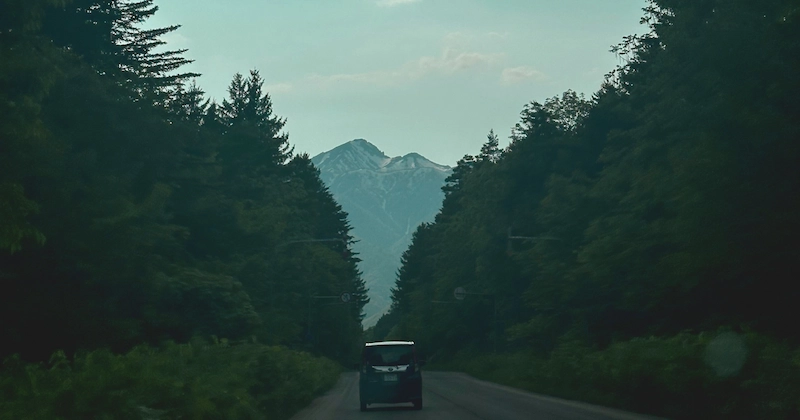
The roads themselves are part of it. Hokkaido’s expressways and rural routes are wide, well-marked, and sparsely trafficked in a way that feels nothing like driving in the rest of Japan. You end up pulling over constantly, not because anything is wrong, but because something remarkable is happening outside the window.
| Step | What You Need to Know |
|---|---|
| Licence | Most countries: International Driving Permit obtained before arrival. Switzerland, Germany, France, Belgium, Taiwan, Monaco: you need a JAF translation instead — apply online at jaf.or.jp, print the document at any 7-Eleven in Japan. We are from Switzerland and nearly got caught out at the rental counter. Do this before you fly. |
| Where to Book | We used Orix Rent-a-Car at their Kita 9-jo branch in Sapporo. Smooth process, English briefing, GPS setup included. Toyota Rent-a-Car and Nippon are reliable alternatives. Book 4–6 weeks ahead in summer and winter peak seasons, the sensible car sizes disappear fast. |
| When to Pick Up | We collected on Day 3, after two nights in Sapporo. This saved three days of Sapporo parking fees (expensive and annoying) while still giving us the car for the entire road trip portion. Return at the airport branch on your last day, most agencies have counters there. |
| Insurance | Never skip the “Exempting Liability” waiver. The basic CDW leaves you with a deductible of ¥50,000–100,000 even for a minor bump. The daily waiver fee eliminates it entirely. Add NOC (Non-Operation Charge) coverage too, it covers the agency’s “car out of action” claim if the vehicle goes to a shop. Both cost very little. |
| ETC Card | Rent one with the car for around ¥330/day. It handles all toll roads electronically — you slow down, the gate opens, the fee is logged. Budget approximately ¥10,000–15,000 in tolls for a full week road trip covering the expressway network. |
| Petrol | Self-service stations are everywhere. Pumps are colour-coded: Red = Regular (レギュラー), Yellow = High Octane, Green = Diesel. 99% of rental cars take Regular. Double-check before filling. We passed one empty stretch of 45 minutes between stations near Furano, keep the tank above half. |
| Navigation | Switch the car GPS to English voice guidance. Back it up with Google Maps on your phone and download offline Hokkaido maps before you leave Sapporo. In mountain areas, mobile data drops. Use map codes (printed at most tourist spots) for precise GPS entry at places with difficult addresses. |
| Driving Culture | Japanese drivers follow the rules exactly. Nobody cuts, nobody tailgates, indicators are used religiously. The adjustment to driving on the left takes about two hours. Our main issue was repeatedly walking to the wrong side of the parked car to get in, which we found funny at the time and embarrassing in retrospect. |
Sapporo — Your Starting Point (and Worth More Than a Night)
Japan’s fifth-largest city is relaxed, walkable, and exceptionally well-fed. Give it two days before you collect the car.
Sapporo doesn’t have the frenetic energy of Tokyo or the historic weight of Kyoto. It has a more relaxed civic rhythm, spacious boulevards, a sensible grid layout, and a food culture that quietly puts most Japanese cities to shame. The city was largely planned from scratch in the Meiji era, which means wide streets and a subway system that makes navigation almost embarrassing in its simplicity.
Two days here is the right amount before you collect the car and head south. You recover from the flight, you calibrate to Japanese city life, you eat extremely well, and you start the road trip portion of the trip having already had a genuinely good time.
What to Eat in Sapporo
4 things you should not leave without trying
- Genghis Khan (Jingisukan) — Grilled lamb on a dome-shaped cast-iron skillet, cooked at the table, eaten with cold Sapporo Classic beer. The lamb has none of the gamey smell you might expect — it’s tender and clean-tasting and genuinely the best I’ve had anywhere. Go to the Sapporo Beer Museum area for an all-you-can-eat version. This meal alone is worth the flight. Priority Meal
- Miso Ramen — Sapporo invented the style. Rich miso broth, butter, corn, often a piece of chashu pork. Not a light meal. Find a local ramen alley (Ramen Republic on the 10th floor of ESTA is convenient and good; local neighbourhood joints are better). Order the Large without hesitation.
- Hokkaido Soft Serve — Available everywhere from 7-Eleven to Farm Tomita. The milk is from Holstein cattle on Hokkaido’s volcanic pastures and the butterfat content is noticeably higher. Classic milk is the baseline; lavender (Furano) and melon are worth trying once. Why the milk is different →
- Conveyor Belt Sushi — Hama Sushi near the station is accessible and good for a first night when you’re jet-lagged and not in the mood for navigating a menu. The fish quality at any mid-range kaiten sushi in Hokkaido is considerably better than the same price point elsewhere in Japan.
What to Do in Sapporo
4 things worth your time
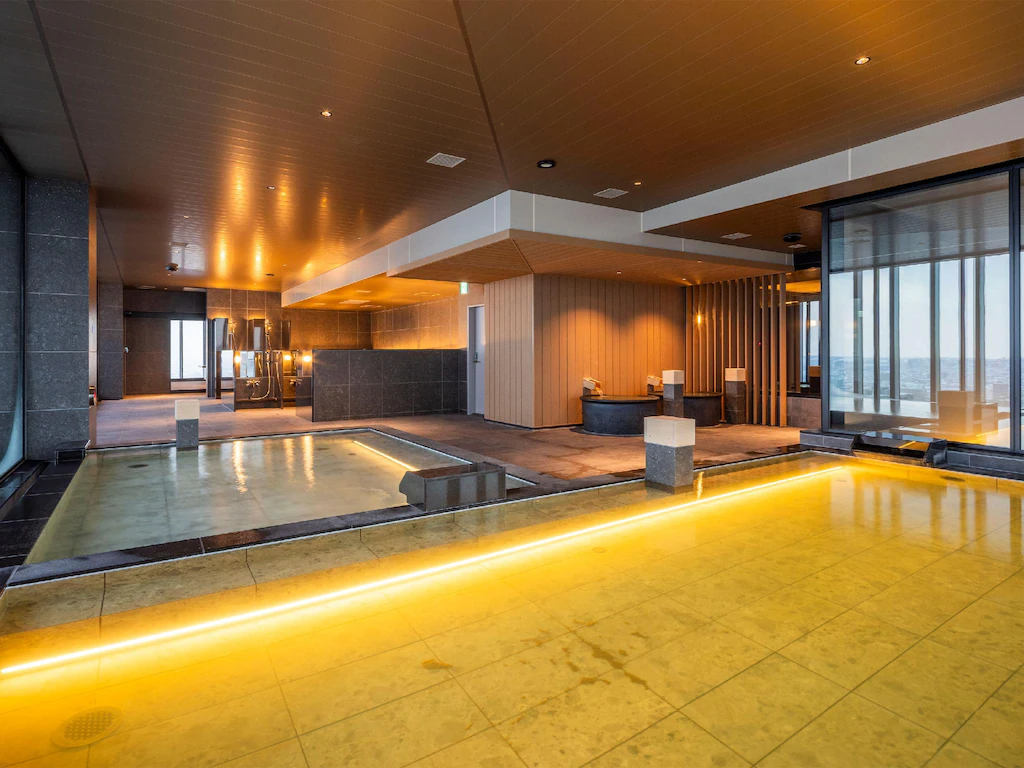
- Rooftop Onsen (Your Hotel) — Book a hotel with an onsen and use it every single morning and evening. The Granbell has a rooftop facility with seven different baths. Sitting in hot volcanic water watching the Sapporo skyline at 7 AM resets the body more effectively than any amount of sleep on a plane. This is not optional. Do This
- Odori Park and the TV Tower — The green spine of the city, running east-west through the centre. Walk it from the TV Tower end westward, stop at whatever catches your eye, and find a café somewhere in the middle. The tower itself is skippable unless you need the aerial photo.
- Tanukikoji Shopping Arcade — Seven covered blocks of shops, restaurants, and random finds. Better for people-watching and cheap eats than for buying things, but the local craft shops and Hokkaido produce sections are worth a look. Go in the early evening when it fills up.
- A Sports Bar With Nomihodai (All-You-Can-Drink) — Find a bar offering a nomihodai package for the evening. A fixed fee (typically ¥2,000–3,000 for two hours) covers unlimited drinks. Some venues include pool tables and ping pong. This is how we ended our first Sapporo night and it was a very good decision.
Where to Stay: Accommodation We’ve Actually Used
Three stays across three different parts of the island. All personally tested. None chosen for commission.
Sapporo Hotel by Granbell
This is where we stayed and where we’d stay again. The rooftop onsen has seven different baths, indoor, outdoor, varying temperatures, and it changes the entire rhythm of the trip. Use it the morning you land to recover, and every evening before dinner. Modern rooms, good location near the subway. The onsen is the reason to book this specific property.
Toya Center Village
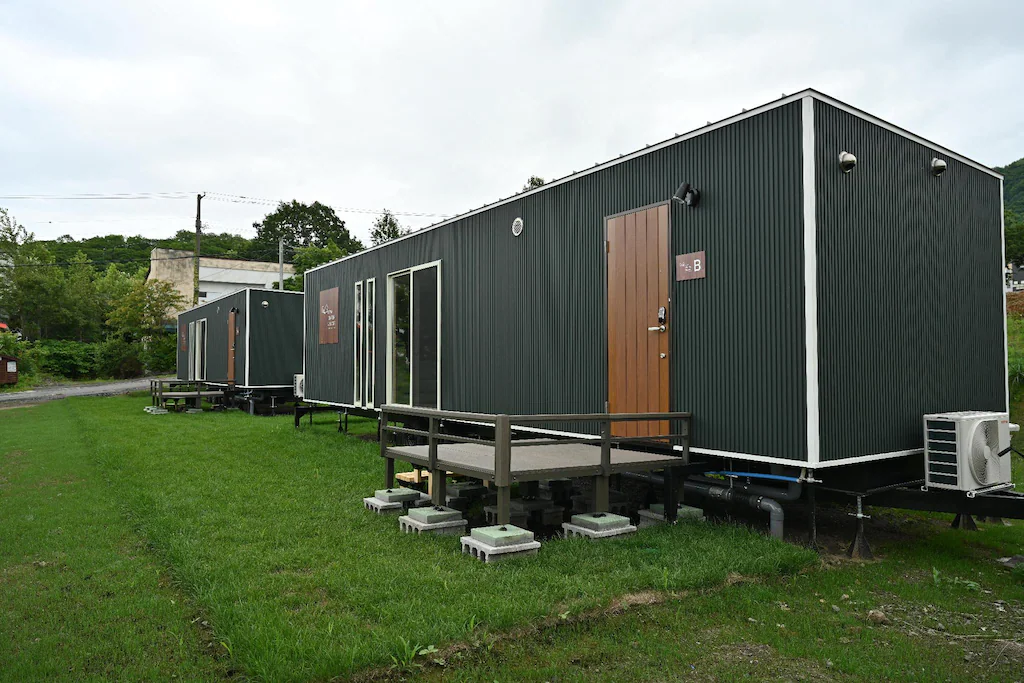
We stayed in a trailer house. It sounds like a compromise and it absolutely isn’t, the units are spacious, properly equipped, and genuinely cosy, with a private parking space right outside the door. Far more character than any hotel in the area at a fraction of the price. Walk down to the lake at 8:30 PM and watch the fireworks. One night here is the right amount.
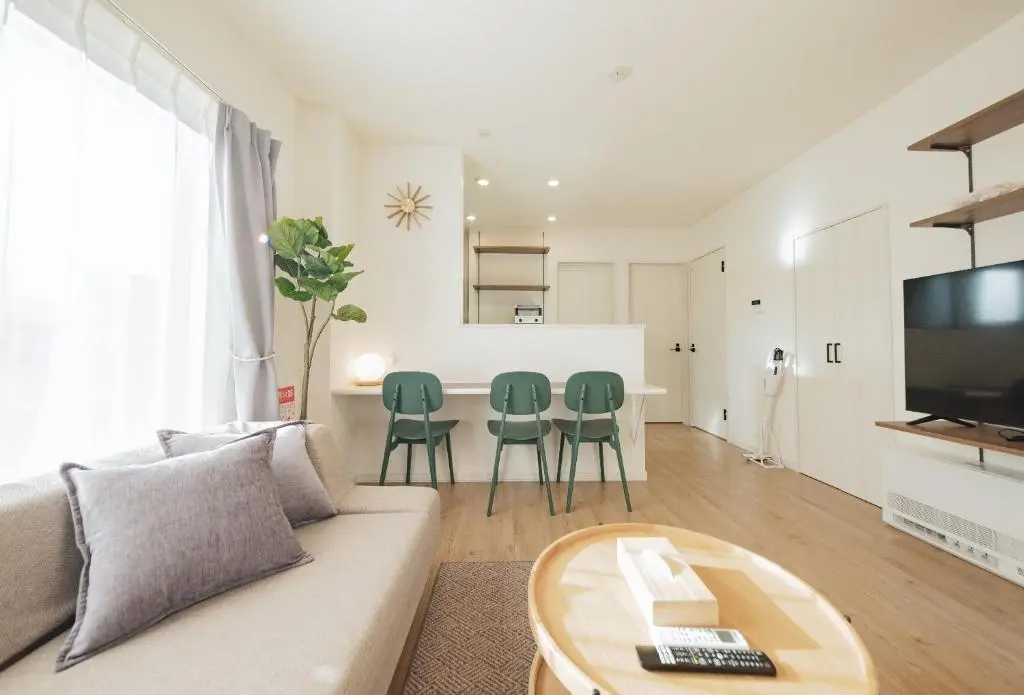
Furano Ezo Murasaki B
We booked a one-bedroom apartment right off the main road, full kitchen, plenty of space, cosy enough that leaving each morning felt like a minor inconvenience. The kitchen lets you buy produce from the local morning market and actually use it. For three nights in Furano this is considerably better value than a hotel and gives you the feeling of actually living somewhere rather than passing through.
The Route: Lake Toya, Furano & Asahidake
South to north, the three stops that make the road trip.
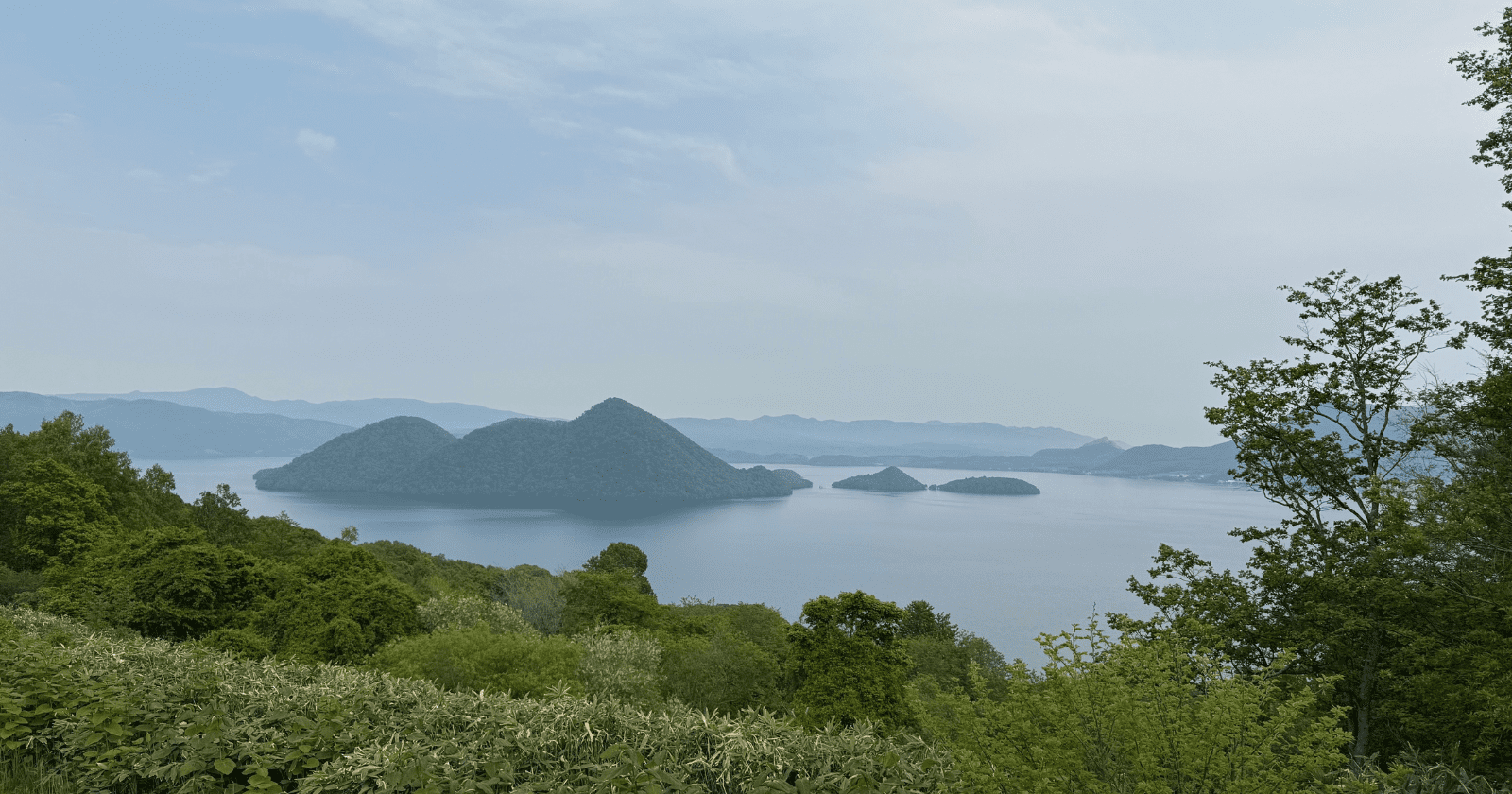
Lake Toya & Volcanic South
A caldera lake with a volcanic island at its centre, nightly free fireworks at 8:45 PM (April–October), and the Noboribetsu Hell Valley en route. The onsen hotels around the lake sell day-use access to their volcanic baths for ¥1,000–2,000, the open-air baths with lake views are worth stopping for even if you’re not staying.
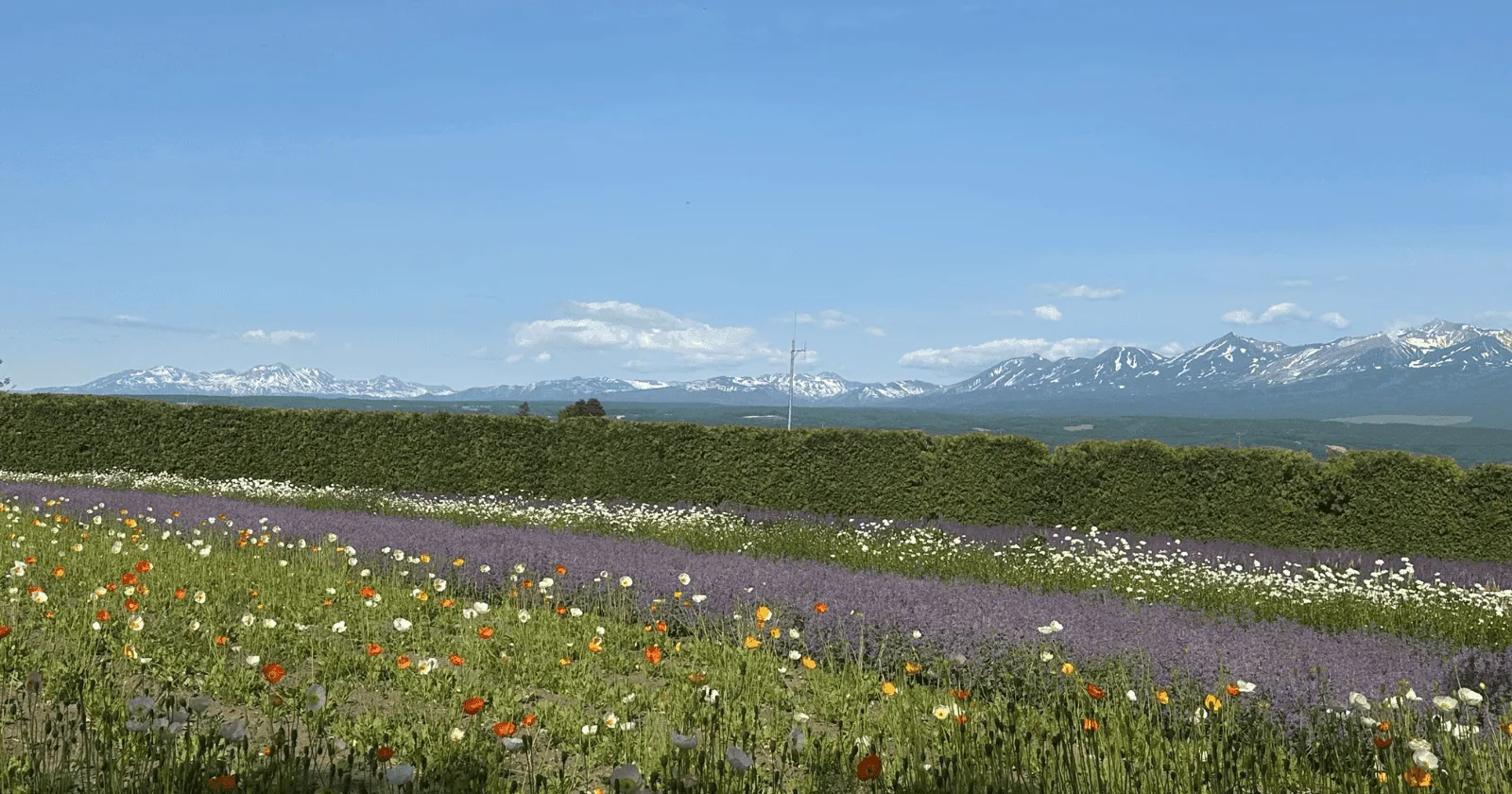
Furano & The Flower Country
Farm Tomita for the lavender and the Irodori Field (the rainbow of poppies and marigolds that most photos don’t capture). Hinode Park for the 360-degree view of the whole valley. Fresh melon at ¥500 a slice that tastes like the concept of summer distilled. Allow at least two nights, one isn’t enough.
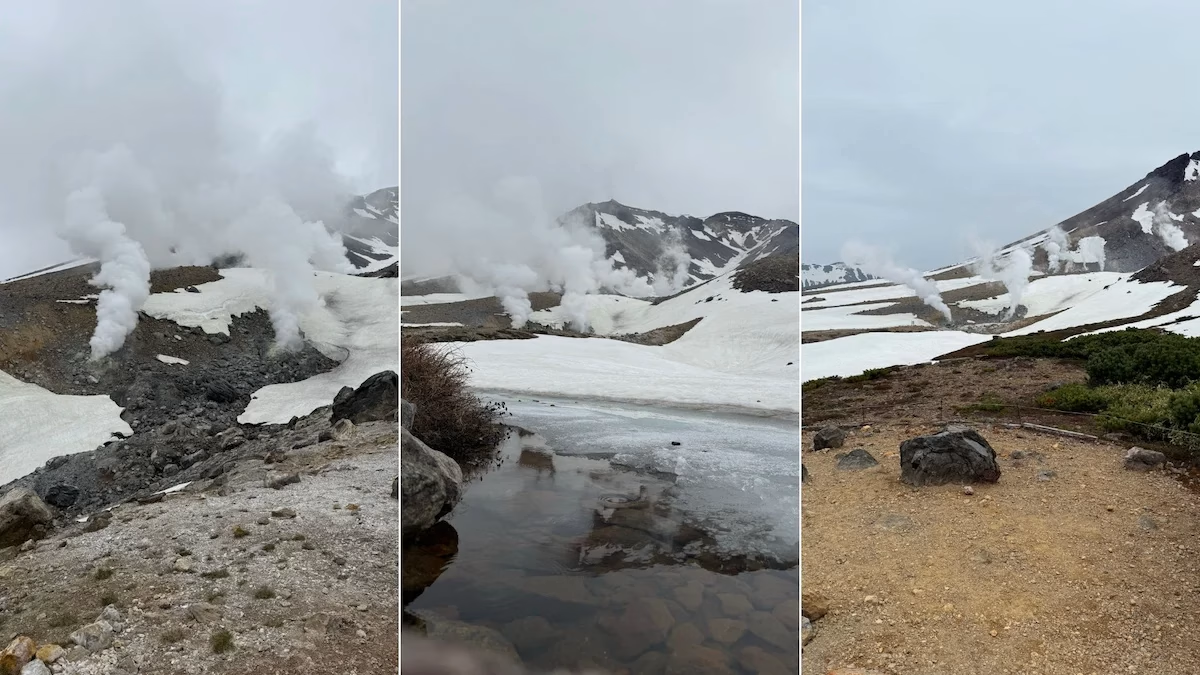
Asahidake: The Active Volcano
Take the ropeway to 1,600m on Japan’s highest active volcano. Walk the Sugatami-no-ike pond trail (60–90 minutes) past hissing fumaroles and patches of snow that persist even in July. Wear proper footwear. The station rents boots if yours aren’t adequate, use them.
What to Do in Hokkaido
Arranged by category, nature, scenery, food, and the practical things that make the difference.
Nature & Landscape
5 experiences
- Asahidake Ropeway & Sugatami Pond Trail — The trail circles a crater pond that mirrors the volcano on clear days. The fumaroles hiss and steam at close range. Snow patches sit beside summer wildflowers. It’s the kind of contrast that photographs poorly because no single frame captures both at once. Go and see it in person. Do This
- Noboribetsu Jigokudani (Hell Valley) — Boiling turquoise ponds, active sulphur vents, the smell of the earth working. One hour en route from Lake Toya to Furano. The Oyunuma Pond is a separate 30-minute walk or short drive and worth adding if you have the time.
- Lake Toya Evening Fireworks — Every night from late April to October, 8:45 PM, free. Stand on the lakefront or watch from the water. The reflection doubles the effect. We had no idea this was happening until we walked down to the lake and it started. One of those travel moments that lands harder precisely because it was unexpected.
- Daisetsuzan National Park in Autumn — Japan’s largest national park turns colour before anywhere else in the country, sometimes by late September at the higher elevations. The view from the Asahidake ropeway in October is one of the most photographed natural scenes in Japan and earns every frame.
- Day-Use Onsen at a Lake Toya Hotel — Most of the large lakeside hotels sell access to their volcanic baths for ¥1,000–2,000 per person. Walk in, ask for higaeri onsen, pay at the desk. The open-air baths with lake views rank among the best 90 minutes you can spend in Japan. We missed this on our trip and regret it. Don’t Miss
Flowers & Scenic Drives
5 moments worth planning around
- Farm Tomita — The Irodori Field — Everyone photographs the lavender. The Irodori Field (the horizontal bands of poppies, marigolds, and mixed blooms against the Daisetsuzan range) is what will actually end up as your wallpaper. Arrive when the gates open at 8:30 AM before the tour buses. The first hour is a different experience. Iconic
- Hinode Park Observatory — 12 minutes from Farm Tomita, almost never mentioned in the same breath. After being inside the flower fields, climbing to this elevated viewpoint and seeing the entire Furano valley spread out below it, the patchwork of farms, the mountains behind, the scale of what you’ve been inside — is the shot that gives the whole day context.
- Mt. Yotei Roadside Views, Route 276 — The perfect conical volcano that locals call Ezo Fuji dominates the southern Hokkaido horizon as you drive toward Lake Toya. There is nowhere specific to stop — you just stop wherever feels right. We pulled over five or six times. Budget for this in your driving time.
- Silo Observation Deck, Toya National Park — A viewpoint above Lake Toya with a small café serving coffee made with Hokkaido milk. The coffee is worth the stop on its own. Stay for an hour and watch the cloud shadows move across the caldera.
- The Drive Itself — Between every destination on this route, the road is the experience. Wide expressways flanked by spruce forest, farm roads cutting through flower fields, mountain passes that open into sudden valley views. Keep your camera accessible and your schedule loose enough to pull over when something happens.
Food Guide
What Hokkaido actually tastes like
- Genghis Khan (Jingisukan), Sapporo — Grilled lamb, dome skillet, table-side charcoal, Sapporo Classic beer. The best lamb you will eat in Japan, possibly anywhere. Book the Sapporo Beer Museum area for the all-you-can-eat option. This is a meal worth planning an entire evening around. Priority
- Miso Ramen, Sapporo — The city invented this style. Rich miso broth, butter melting across the top, corn, chashu. Find a local spot over a tourist-facing chain. Ramen alleys exist across the city; the neighbourhood joints away from the station area are almost always better.
- Fresh Sushi at a Local Kaiten — Avoid the national conveyor belt chains in Hokkaido. Find a local sushi restaurant in Furano, Sapporo, or wherever you are. The fish freshness at a non-tourist kaiten in Hokkaido is at a different level. We found Kaiten Sushi Topical in Furano on our first night and it remains one of the best sushi meals we’ve had in Japan. The pieces were enormous.
- Hokkaido Melon, Farm Tomita — ¥500 for a fresh cut slice of orange-fleshed Hokkaido melon. The sweetness is not like any melon you’ve had outside Japan. Eat it standing in the field. Do not share it. Read why Hokkaido produce is different →
- The Trucker Stop Rule — If you see a plain, non-touristy restaurant on Route 230 or any rural Hokkaido road with trucks and work vans parked outside, pull in immediately. Every excellent meal we found by accident followed this pattern. Have Google Translate’s camera feature ready for the menu.
Practicalities
The details that actually matter
- Visa: Most Western passports receive 90 days on arrival, no fee, no pre-application. Extensions beyond 90 days require a visit to an immigration office. Japan is strict on this, don’t overstay.
- Connectivity: Buy a data SIM at CTS airport on arrival (IIJmio, Sakura Mobile) or use Airalo for an eSIM before you leave home. Coverage is excellent in Sapporo and towns; it drops in mountain areas and long rural stretches. Download offline Hokkaido maps on Google Maps before you leave the city.
- Konbini Are Your Infrastructure: 7-Eleven, Lawson, and FamilyMart in Japan are not like convenience stores at home. Fresh food, hot items, ATMs that take international cards, printing, phone charging, snacks for the road, and occasionally the only open building for 20 minutes of driving. Stop whenever you pass one. Never assume the next one will be soon.
- Cash: Japan runs largely on cash outside the cities. Konbini ATMs accept international cards. Carry ¥20,000–30,000 at all times when driving rural Hokkaido. Small restaurants, parking, and roadside stalls are often cash only.
- Weather: Hokkaido weather shifts quickly, particularly at altitude. Mornings in summer can be cool even when afternoons are warm. At Asahidake summit the temperature can drop to near-freezing on a clear July day. Layers. Always layers.
The 7-Day Route
Sapporo → Lake Toya → Furano → Asahidake. This is the route we drove. It works.
| Day | Base | What Happens | Where to Sleep |
|---|---|---|---|
| 1–2 | Sapporo | Arrive, rooftop onsen, recover. Day 2: Odori Park, Tanukikoji arcade, Genghis Khan dinner, nomihodai bar. No car yet, use the subway. | Sapporo Granbell Hotel. Book specifically for the rooftop onsen. Use it both mornings and both evenings. |
| 3 | Lake Toya | Collect car from Orix (Kita 9-jo). Drive south via Route 276, stop repeatedly for Mt. Yotei views. Silo Observation Deck for coffee. Check in. Walk to the lake at 8:45 PM for fireworks. | Toya Center Village trailer house. Private parking. Genuinely cosy. One night is right. |
| 4 | Furano | Drive north. 1-hour detour to Noboribetsu Jigokudani on the way (active Hell Valley, worth it). Arrive Furano late afternoon. Find Kaiten Sushi Topical for dinner. | Private apartment in Furano. Book by April for July visits. Kitchen is useful, there are morning markets. |
| 5 | Furano | Farm Tomita at 8:30 AM (before tour buses). Irodori Field, lavender soft serve, fresh melon slice. Hinode Park in the afternoon for the valley view. Sunset from the observatory. | Furano apartment, Night 2. |
| 6 | Asahidake / Furano | Drive 1.5 hours to Asahidake Ropeway. Buy round-trip ticket (~¥3,200). Walk Sugatami-no-ike pond trail (60–90 minutes). Rent boots if needed, the station does this. Back to Furano for dinner. | Furano apartment, Night 3. |
| 7 | Airport | Return car to Orix airport branch. Pay ETC toll summary at the counter. Take their free shuttle to CTS terminal. Fly. | — |
All Hokkaido Guides
Every piece of Hokkaido writing we’ve published, updated as we go back and explore more.
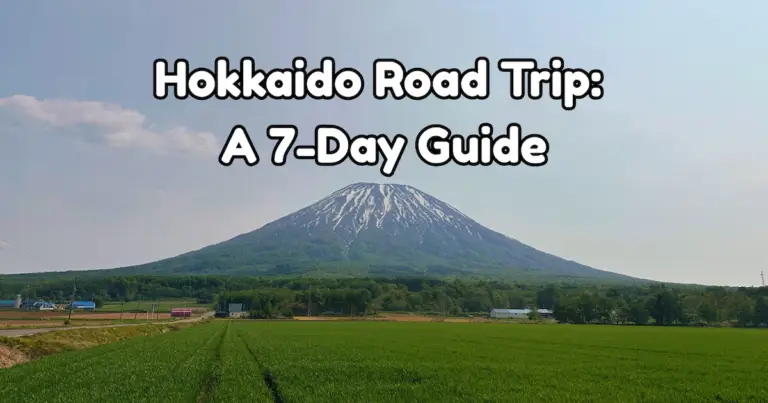
Hokkaido Unlocked: The Ultimate 7-Day Road Trip Itinerary
To be honest, we didn’t know what to expect from Hokkaido. We came looking for...
Read Guide →
Why Hokkaido Ice Cream is The World’s Best Frozen Treat
When travelers picture Hokkaido, Japan’s northernmost island, they often imagine: Rolling lavender fields Snow-dusted mountains...
Read Guide →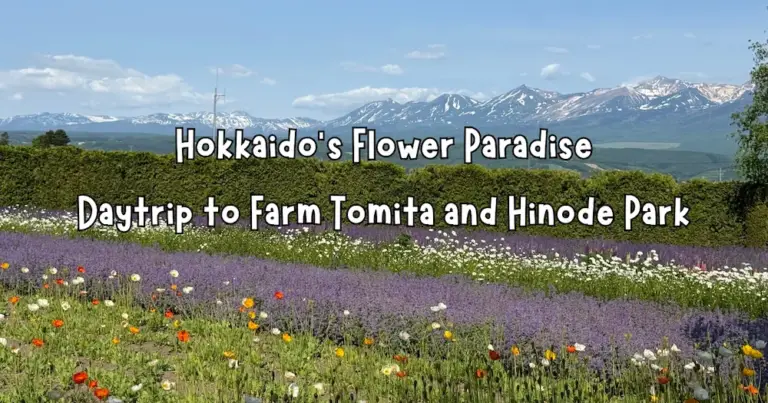
Hokkaido’s Flower Paradise: Daytrip to Farm Tomita and Hinode Park
Have you ever had a travel experience that completely caught you by surprise? A day...
Read Guide →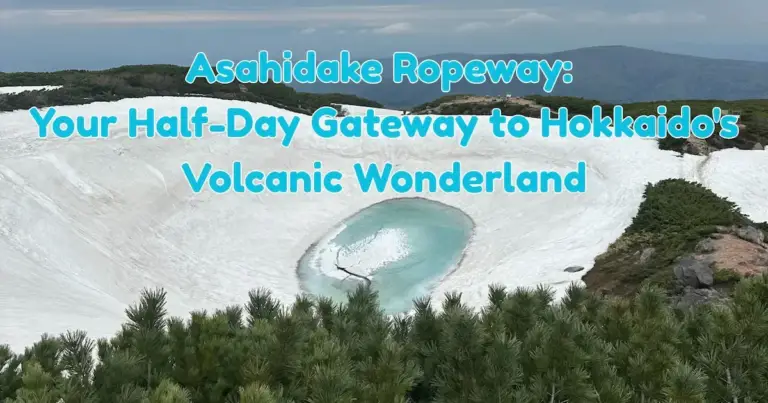
Half-Day Hokkaido Highlight: Your Easy Guide to Visiting Asahidake Ropeway
Do you ever dream of standing atop a majestic peak, surrounded by raw, untamed nature,...
Read Guide →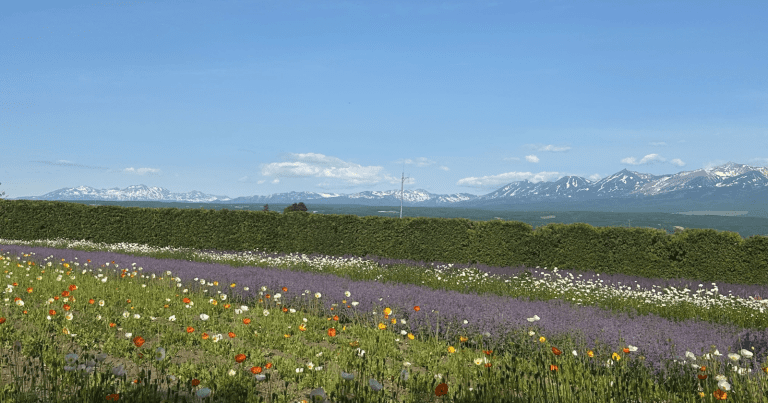
Furano Deep Dive: 3 Nights in Hokkaido’s Dreamy Heartland (Beyond the Lavender!)
Sometimes, the most profound travel experiences are the ones you least expect. We embark on...
Read Guide →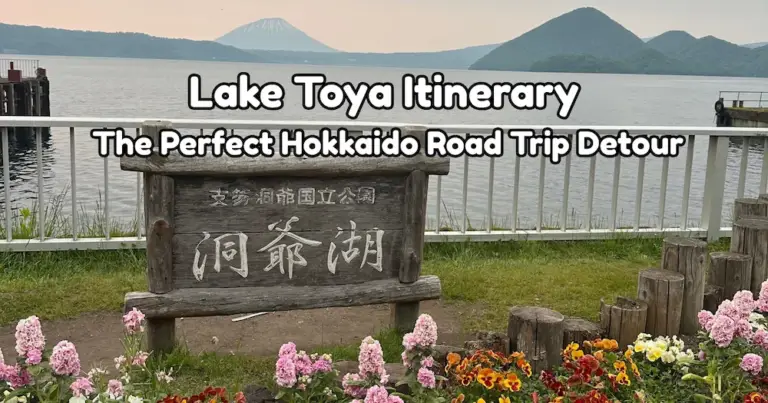
A 1-Night Lake Toya Itinerary: The Perfect Hokkaido Road Trip Detour
The best moments of any road trip are rarely the ones you meticulously plan. They’re...
Read Guide →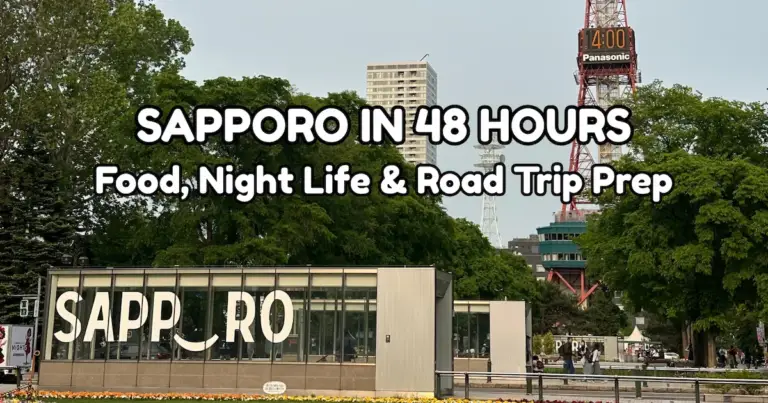
Sapporo in 48 Hours: Food, Night Life & Our Road Trip Launchpad!
Let me guess: you’re flying into Sapporo, picking up a car, and planning to escape...
Read Guide →
Why Renting a Car in Hokkaido Beat Our Expectations: Sapporo, Lake Toya & Furano Revealed!
Ready to explore Hokkaido beyond the main city hubs? While Japan’s public transport is legendary,...
Read Guide →Essential Resources
✓ NAL Verified
eSIM for Japan
Set up data before you land at CTS. Airalo’s Japan eSIM covers Sapporo and the major road corridors well. Data drops in mountain areas, download offline maps before you leave the city.
Get Your eSIM →
Hotels & Stays
Agoda consistently has better rates on Japanese properties than other platforms, particularly for boutique onsen hotels and anything outside the major cities.
Search Agoda →
Tours & Experiences
For guided hikes in Daisetsuzan, cooking classes in Sapporo, and ski instruction. Booking through Viator avoids the hotel front-desk markup.
Browse Viator →
JAF Licence Translation
Required if your passport is Swiss, German, French, Belgian, Taiwanese, or from Monaco. Apply at jaf.or.jp before you fly. Use a VPN to apply on this site from abroad. Print at any 7-Eleven in Japan.
Apply at JAF →