To be honest, we didn’t know what to expect from Hokkaido. We came looking for a break from the chaos of travel, especially from Tokyo, but what we found was something much deeper.
Hokkaido isn’t just a place you visit; it’s a place you feel. It’s the sulfur steam rising from an active volcano, the sweetness of a fresh melon slice on a farm, and the silence of a road stretching toward the horizon.
For seven days, we drove from Sapporo to the pastoral hills of Furano, discovering that the best way to unlock Japan’s scenic north is on four wheels.
If you are looking for an itinerary that balances adventure with soul-healing scenery, this is how we did it.

Hokkaido 1-Week Itinerary
| Day | Location | Highlights | Accommodation |
|---|---|---|---|
| Day 1 | Sapporo | Arrival, Hama Sushi, Onsen | Sapporo Granbell Hotel |
| Day 2 | Sapporo | TV Tower, Odori Park, Genghis Khan BBQ | Sapporo Granbell Hotel |
| Day 3 | Lake Toya | Drive via Mt. Yotei, Silo Deck, Fireworks | Toya Center Village (Trailer) |
| Day 4 | Lake Toya to Furano | Volcanic Park stop, Drive to Furano, Sushi Topical | Private Apartment |
| Day 5 | Furano | Farm Tomita (Melon/Ice cream), Hinode Park | Private Apartment |
| Day 6 | Furano / Asahidake | Asahidake Ropeway, Hiking Sugatami Pond | Private Apartment |
| Day 7 | Departure | Drive to Airport, Flight to Osaka | N/A |
Part 1: The Logistics (Read This First)
Before diving into the itinerary, let’s address the elephant in the room: driving in Japan. For many travelers, the idea of renting a car in a foreign country is daunting.
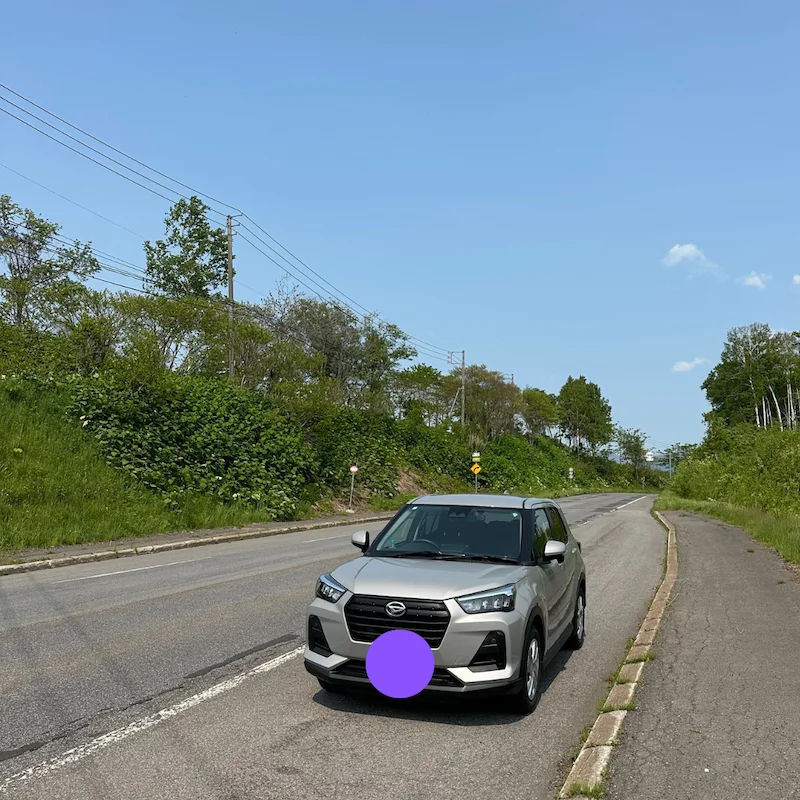
However, in Hokkaido, having a car is the key to seeing the real beauty of the island.
Getting Your License Sorted
This was the part we were most nervous about, but it turned out to be surprisingly simple. Foreign drivers in Japan typically need one of two things:
- An International Driving Permit (IDP): Usually obtained in your home country before arrival.
- An Official Translation: Drivers from Switzerland, Germany, France, Belgium, Taiwan, and Monaco cannot use an IDP. Instead, you need an official Japanese translation of your home license.
Our Experience: My partner (and the driver) is coming from Switzerland, which fell into the second category. We worried this would be a bureaucratic nightmare, but the JAF (Japan Automobile Federation) has modernized the process. We used the online service provided by JAF to apply for the translation digitally.
The website for requesting the translation is only accessible within Japan. However, you can submit your request from abroad before your vacation by using a VPN (I recommend submitting your request about a week before arriving in Japan). Once we landed in Japan, we simply went to a 7-Eleven, used the multi-copy machine, and printed the official translation right there.
The Rental Process
We pre-booked our vehicle through Orix Rent-A-Car. The pickup process (which we did on Day 3 to save on parking costs in Sapporo) was smooth. The staff provided a briefing in English, walked us through the GPS (which can usually be set to English), and we were ready to go.
The switch to driving on the left may take some getting used to at first, but within a few hours you will have adapted to the road conditions. However, on our trip we both found ourselves trying to get into the wrong side of the parked car on several occasions 🙂
Days 1 & 2: Sapporo
(2 Nights)
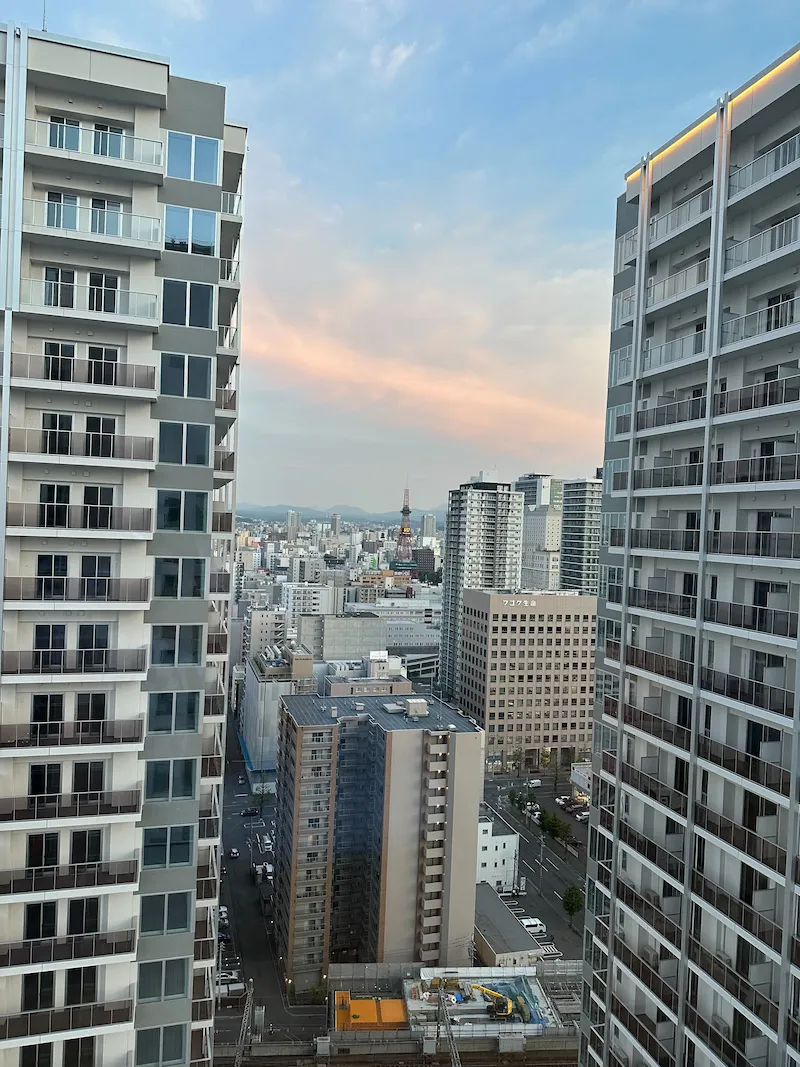
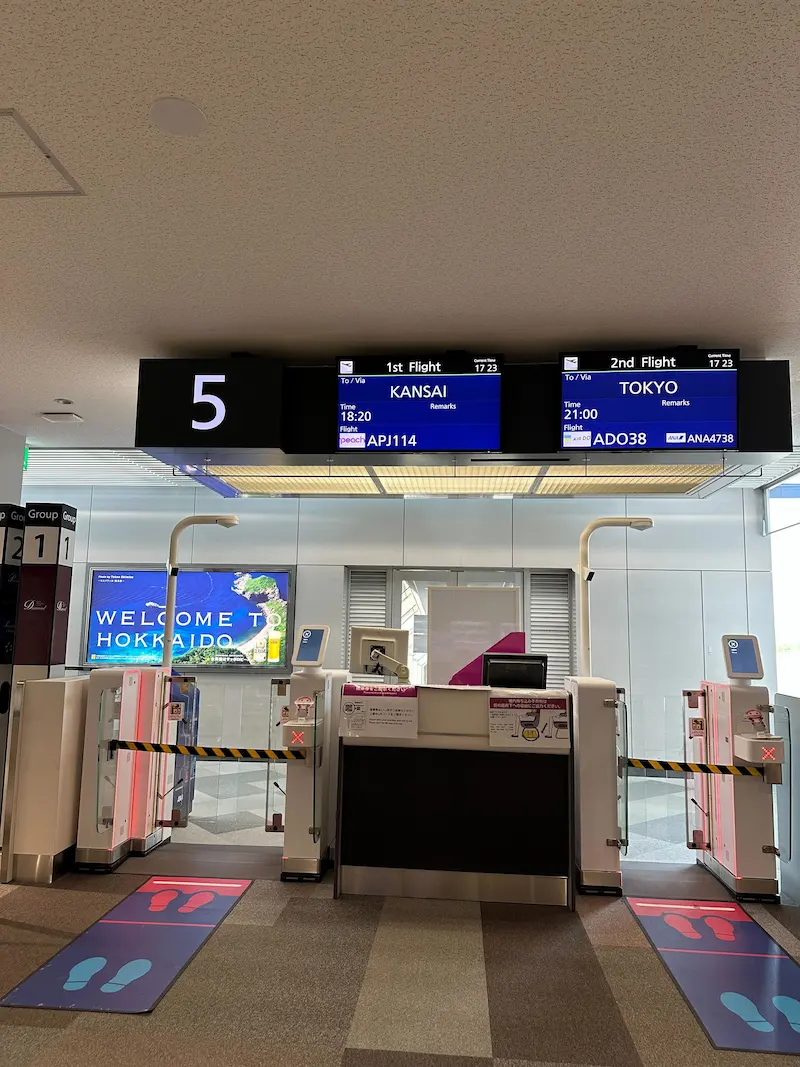
Our journey began with a flight from Tokyo to New Chitose Airport via Peach Aviation. After the smooth flight and landing in the afternoon, we hopped on the JR train (approx. 40 minutes) to Sapporo Station.
Accommodation: Sapporo Granbell Hotel
We checked into the Sapporo Granbell Hotel, a modern establishment that became our sanctuary. The highlight here is undoubtedly the rooftop onsen.
After a day of travel, there is nothing quite like soaking in hot spring water. The facility was huge, clean, and featured seven different baths. It set the tone for the trip: relaxation was a priority.
The Food & Sights
On our first night, tired but hungry, we opted for Hama Sushi, a conveyor belt sushi spot. It was approachable, delicious, and the perfect introduction to Hokkaido’s seafood quality.
Day 2 was dedicated to exploring the city on foot. Sapporo feels different from Tokyo; it’s spacious and laid back.
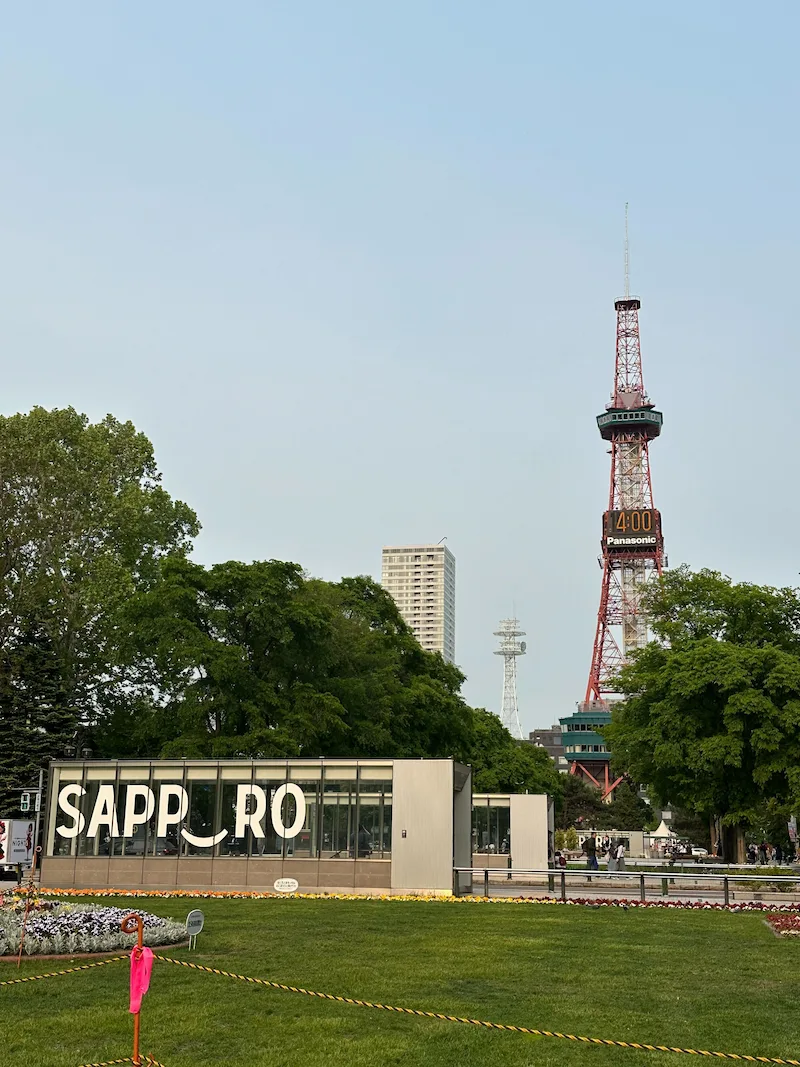
- Morning/Afternoon: We strolled through Odori Park, the green spine of the city, and marveled at the Sapporo TV Tower. We also wandered through Tanukikoji Shopping Arcade, a massive covered street perfect for souvenir hunting and people-watching.
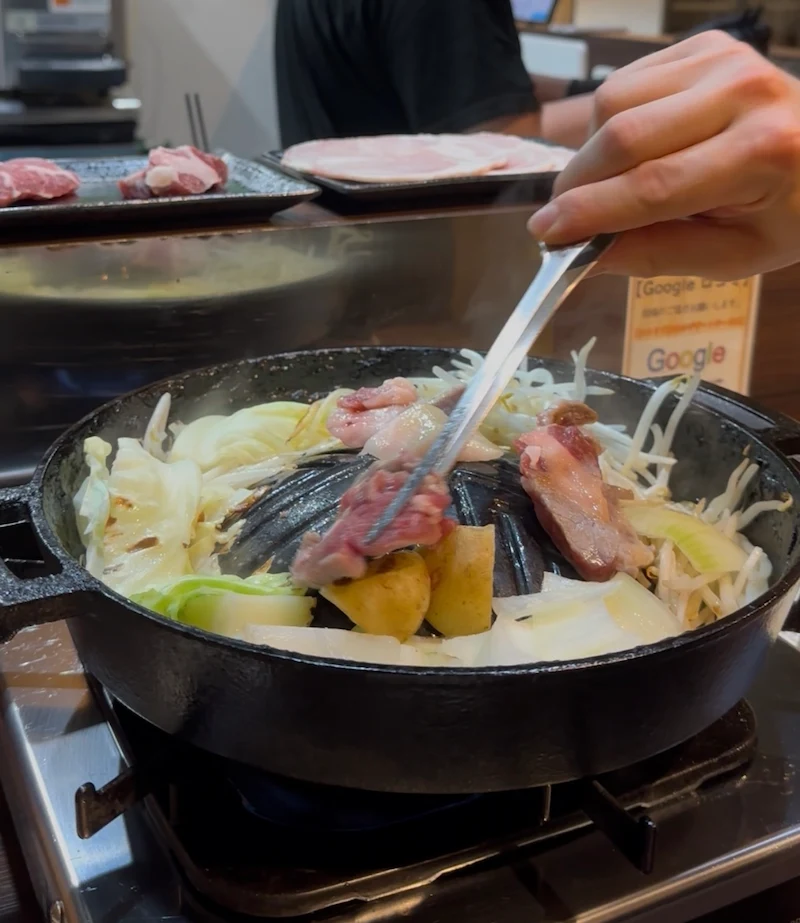
Genghis Khan BBQ - The Best Lamb Ever: You cannot leave Sapporo without eating “Genghis Khan” (grilled mutton). We found a local spot for dinner, and it was, without exaggeration, the best lamb I have ever tasted. The meat was tender, lacking any gamey smell, and grilled right at our table.
- Nightlife: To cap off the night, we found a sports bar offering an “All You Can Drink” (Nomihoudai) package. We played pool, drank classic Sapporo Classic beer (exclusive to the island), and soaked up the local vibe before heading back for another session in the hotel onsen.
Day 3: The Drive to Lake Toya
(1 Night)
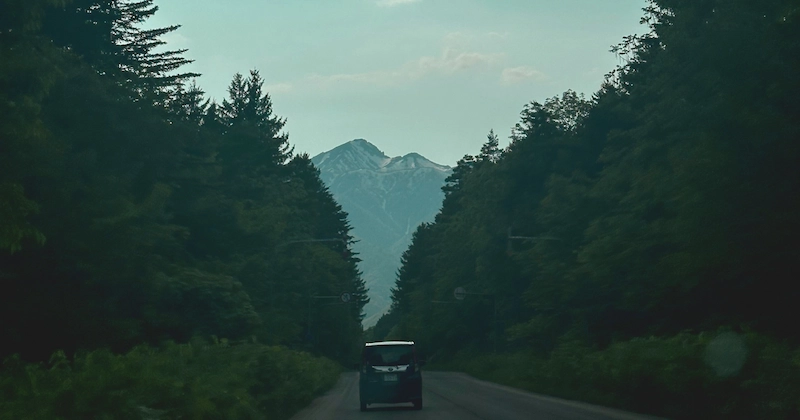
On the morning of Day 3, we checked out, picked up our car from Orix, and the real road trip began.
The Scenic Route & Mt. Yotei
As soon as we left the city limits, the landscape transformed.
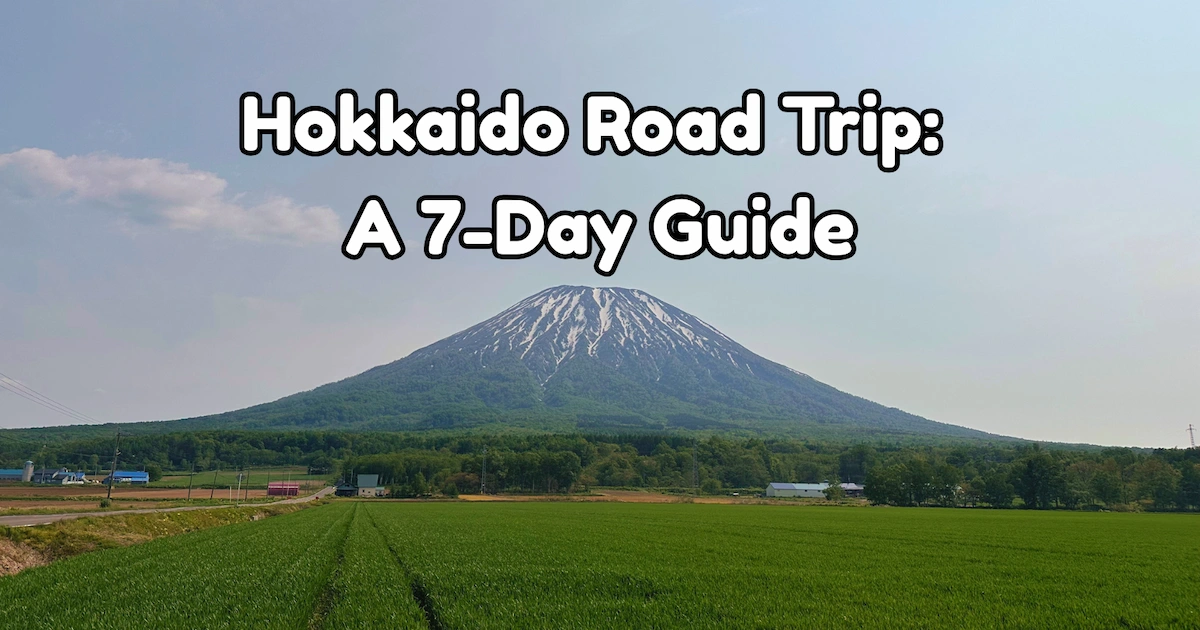
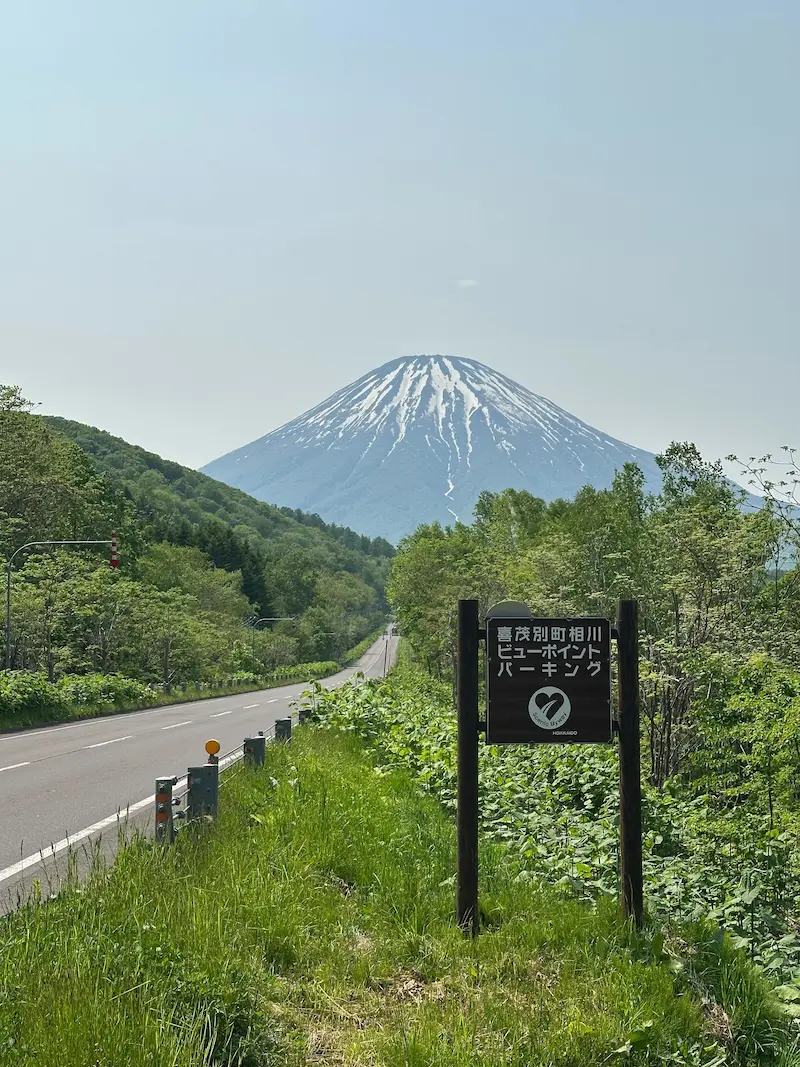
The drive toward Lake Toya is spectacular, dominated by the presence of Mt. Yotei. Often called “Ezo Fuji” because of its resemblance to Mt. Fuji, it is a cone-shaped volcano that towers over the fields. The gamers among you will recognize the mountain from the game of the same name, “Ghost of Yōtei.” Having this view through the windshield made the drive feel like an attraction in itself.
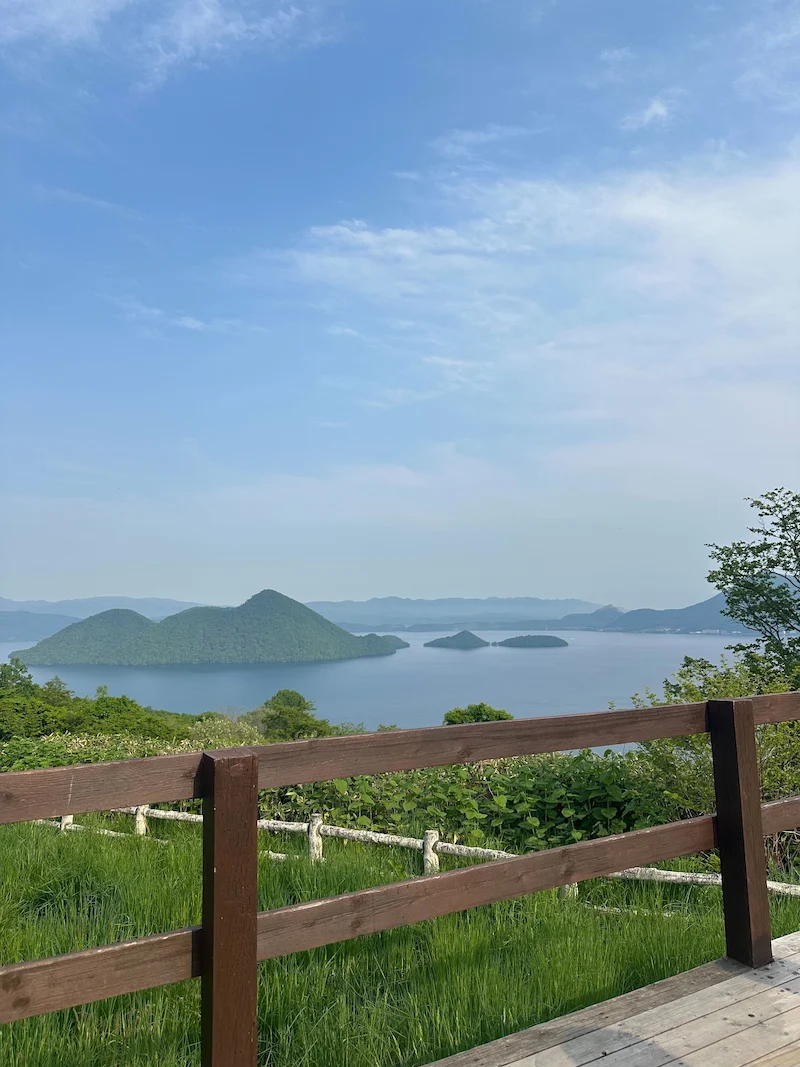
Stopover: Silo Observation Deck
We broke up the drive at the Toya National Park Silo Observation Deck. This is a must-do stop as the panoramic views of Lake Toya and Mt. Usu are breathtaking.
- The Coffee: We spent an hour here, sipping on café lattes made with fresh Hokkaido milk. The richness of the milk makes a simple coffee taste extraordinary.
- The Vibe: While tourist buses do stop here for souvenirs, it doesn’t feel like a trap. It feels like a celebration of the landscape.
Accommodation: Toya Center Village
We bypassed traditional hotels for something more unique: Toya Center Village.
We stayed in a trailer house! It was surprisingly spacious, incredibly cozy, and equipped with full amenities and a private parking space. It felt like camping, but with all the comforts of a hotel.
Evening: Fireworks on the Lake
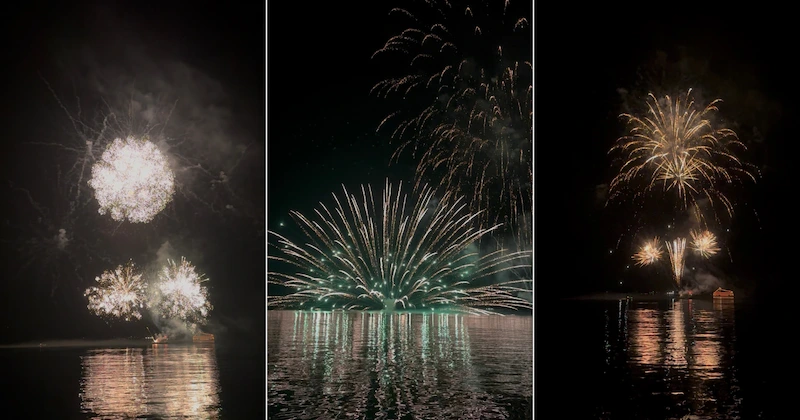
After freshening up, we walked down to the lake. The atmosphere was serene, with people kayaking and taking boat cruises. However, the real magic happened at 8:45 PM. From April to October, Lake Toya hosts a free nightly fireworks display. Watching the colors explode over the calm water was a romantic highlight of the trip.
Day 4: Volcanoes and the Road to Furano
(Transition Day)
Checking out of our trailer house was bittersweet: one night was simply not enough for the peace of Lake Toya, but Furano was calling.
Stopover: Noboribetsu Jigokudani Valley
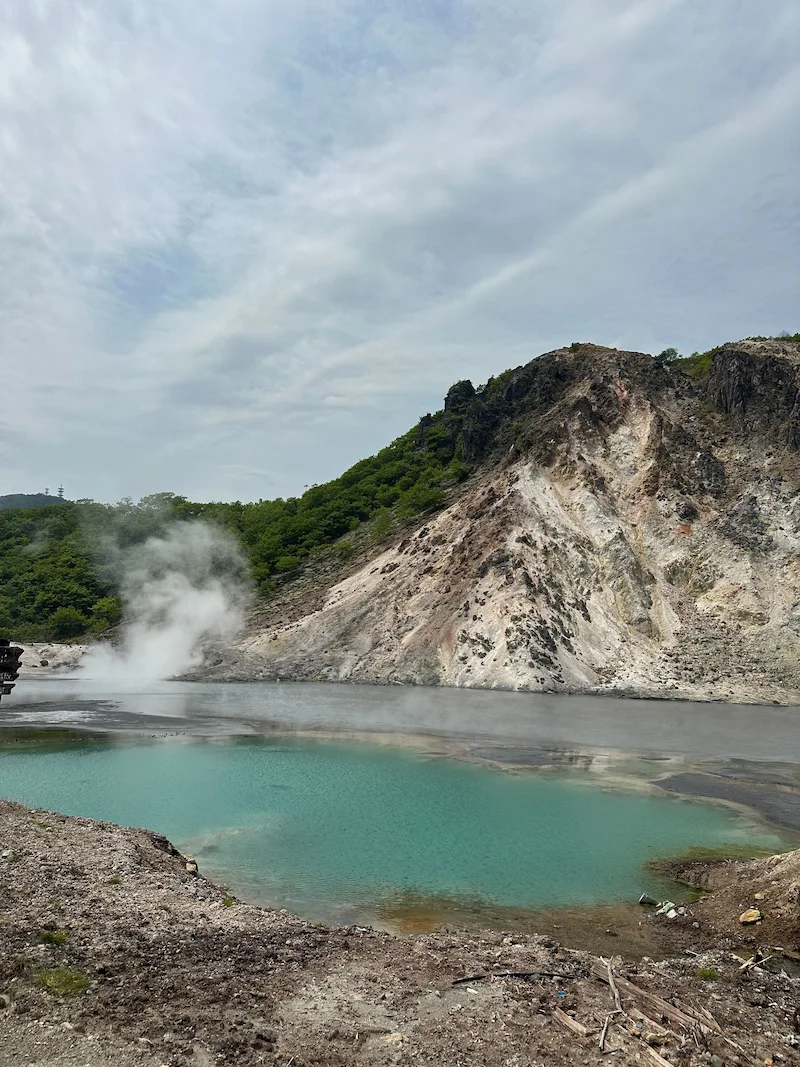
The drive to Furano is not a short commute; it is a journey through volcanic history. We stopped at Noboribetsu Jigokudani Valley, an area defined by caldera lakes and active geothermal activity. We stood there for an hour, watching smoke billow out of active volcanoes. It’s a stark reminder that the earth beneath Hokkaido is very much alive. At the same time, the strong smell of sulfur takes some getting used to, especially at Oyunuma Pond, which is another short drive away (but can also be reached on foot via a half-hour hike from Noboribetsu Jigokudani Valley).
Arrival in Furano
As we entered the Furano region, the scenery shifted again. The rugged mountains gave way to rolling hills and farmland.
It was quieter, less populated, and felt worlds away from Sapporo.
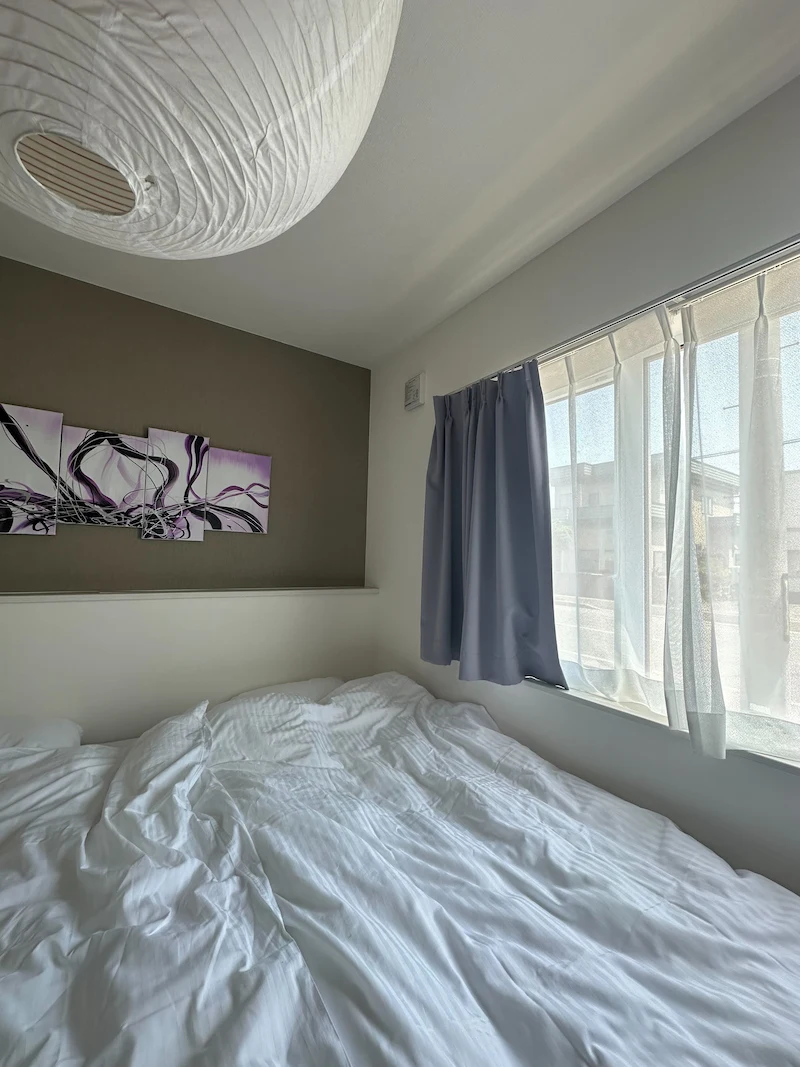
- Accommodation: We booked a 1-bedroom apartment right next to the road. It came with a full kitchen and was very cozy—perfect for a 3-night stay.
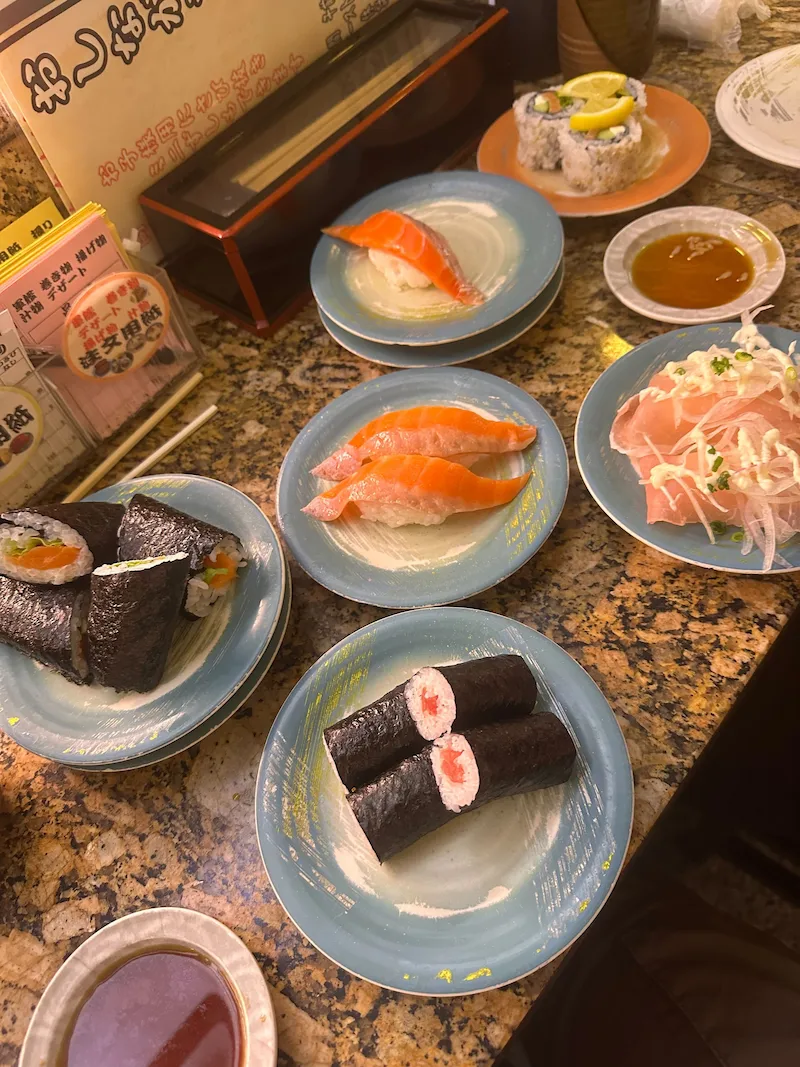
- Dinner: Arriving late afternoon, we were starving.
We stumbled upon a place called Kaiten Sushi Topical, and wow… this was indeed, one of the best sushi experiences of our lives.
The fish was incredibly fresh, and the portions were huge—far larger than what you get in Tokyo.
Seeing the line of hungry diners outside confirmed we had found a local gem.
Day 5: Flowers and Melons
(Furano Exploration)
Furano is famous for two things: flowers and produce. Day 5 was dedicated to both.
Farm Tomita

We started at the iconic Farm Tomita. Even though it’s a popular spot, the beauty is undeniable.
The fields are manicured into rainbows of flowers, with the Hidaka mountain range providing a dramatic backdrop.
The views were immaculate.
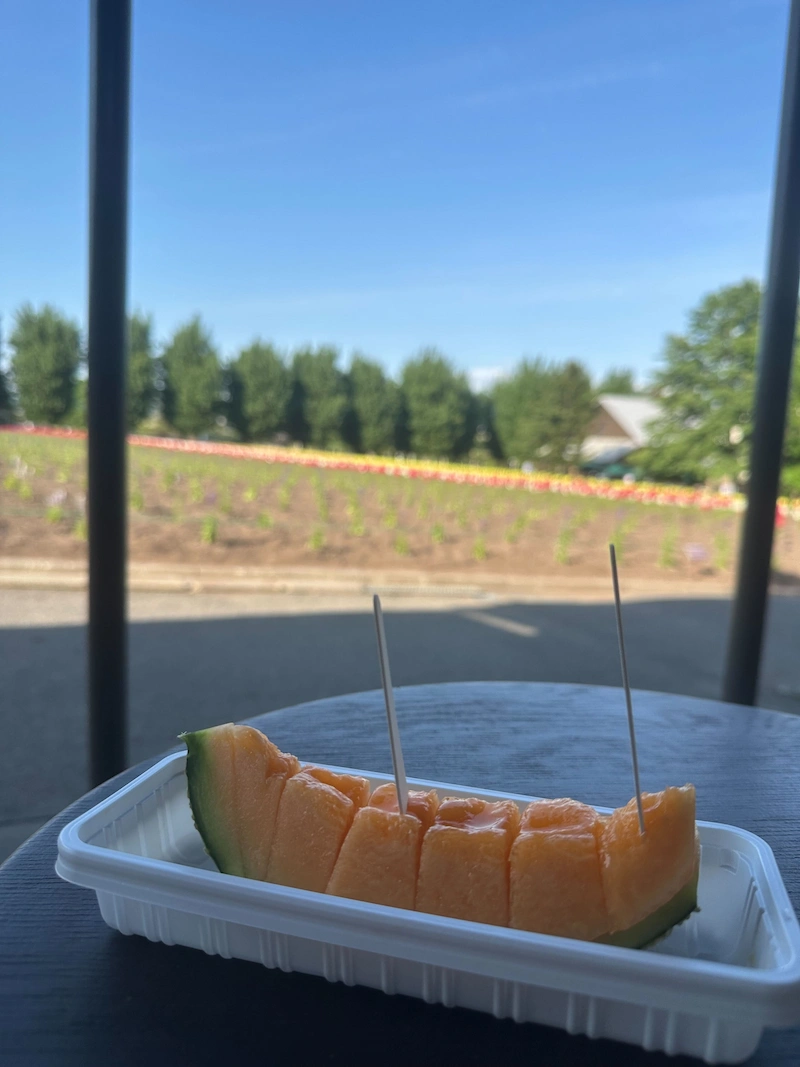
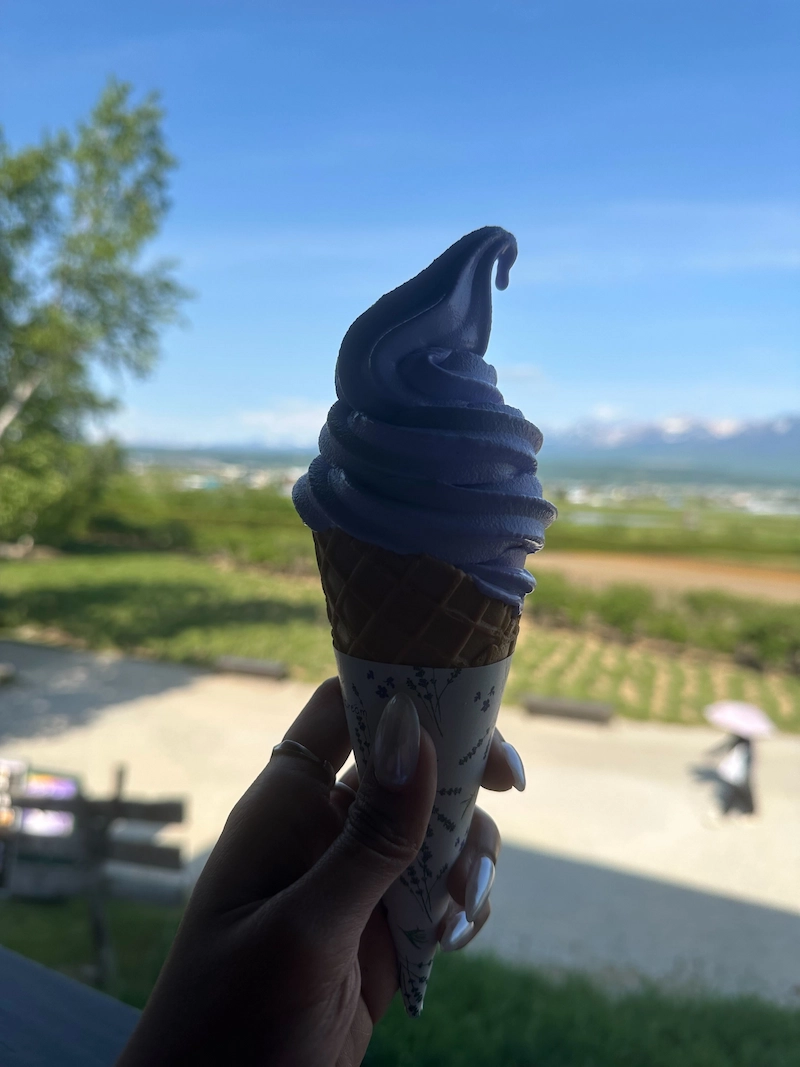
- The Taste of Furano: We tried the famous Lavender Soft Serve. It has an interesting, floral taste that you have to try at least once. But the real star was the Hokkaido Melon.
We bought a slice of the orange-fleshed fruit, and it was the sweetest, juiciest melon I have ever eaten.
It is expensive, but worth every yen.
Hinode Park
Later, we drove to Hinode Park. While the lavender wasn’t in full bloom during our visit, it didn’t matter. The park offers an elevated view of the Furano valley and the Daisetsuzan mountain range.
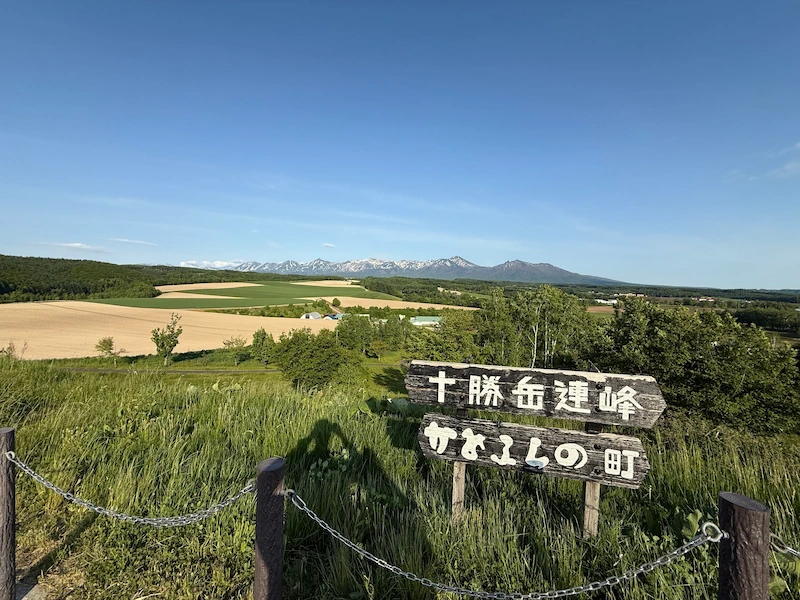
We arrived near sunset, and the golden light hitting the mountains created a memory that will stay with me forever.
Day 6: The Asahidake Adventure
(The Active Volcano Hike)
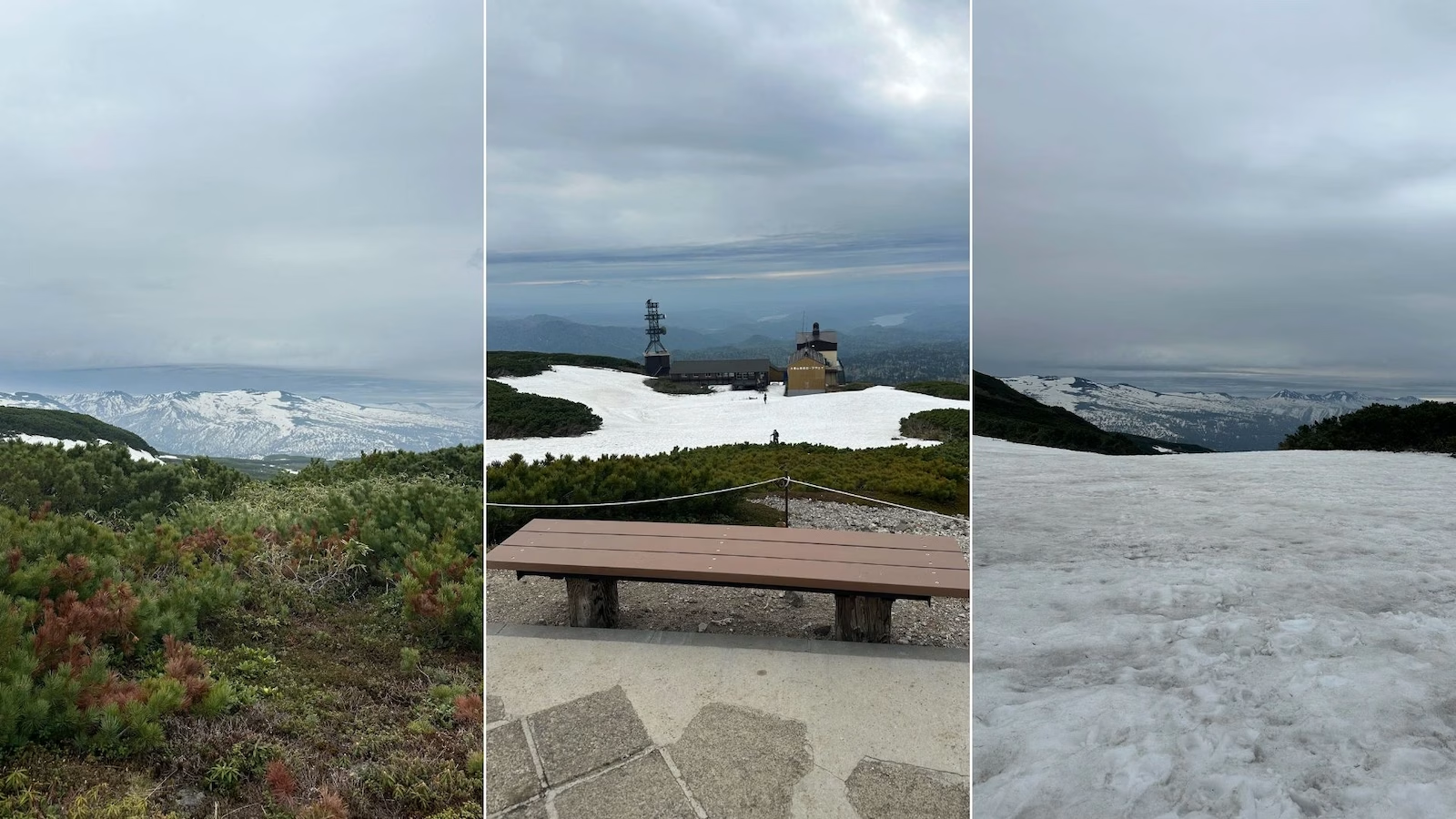
For our final full day, we sought adventure. We drove about 1.5 hours from Furano to Asahidake, the highest mountain in Hokkaido.
The Ropeway to the Clouds
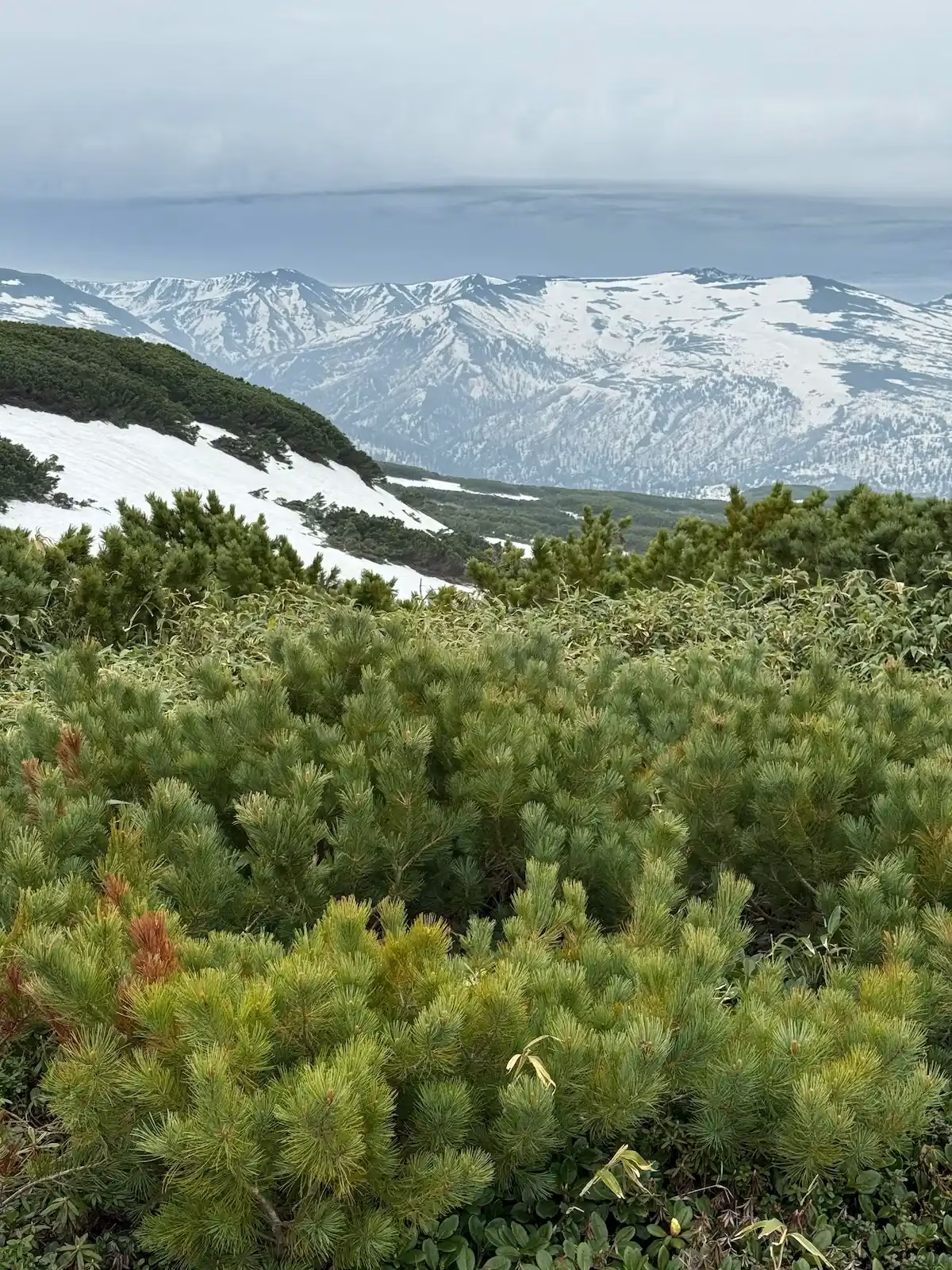
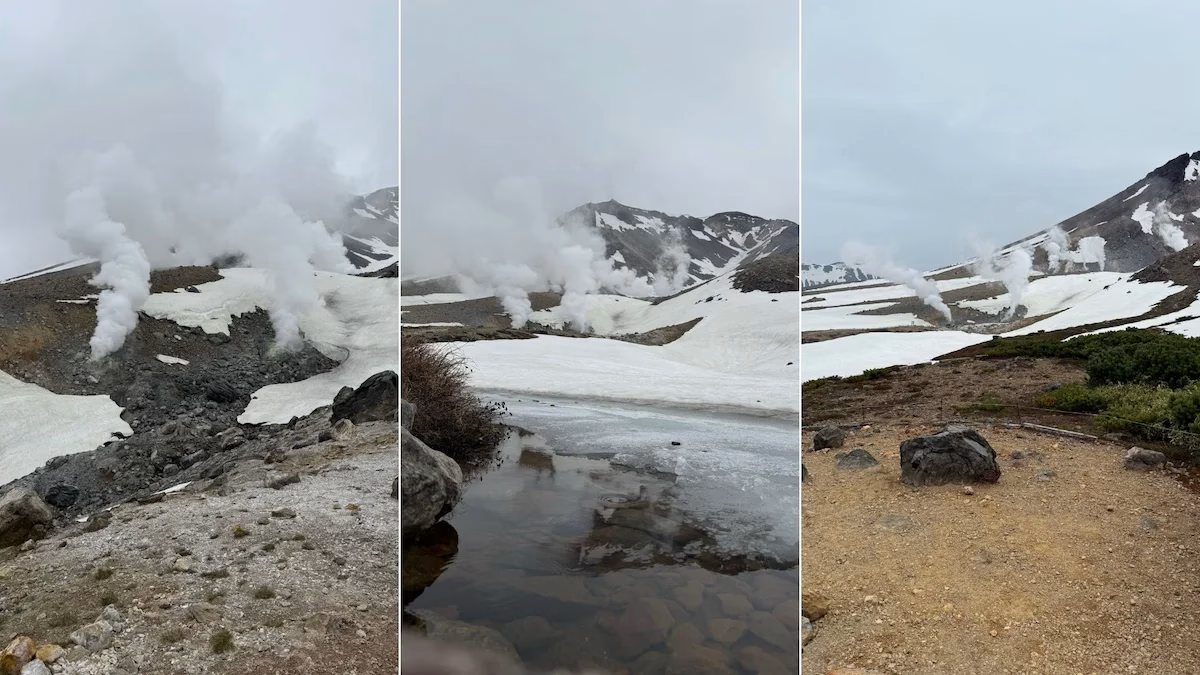
We took the Asahidake Ropeway up to Sugatami Station. As we ascended, the greenery disappeared, replaced by rugged rock and snow.
Yes, snow! Even in warmer months, patches of snow remain here.
The Sugatami-no-ike Pond Trail
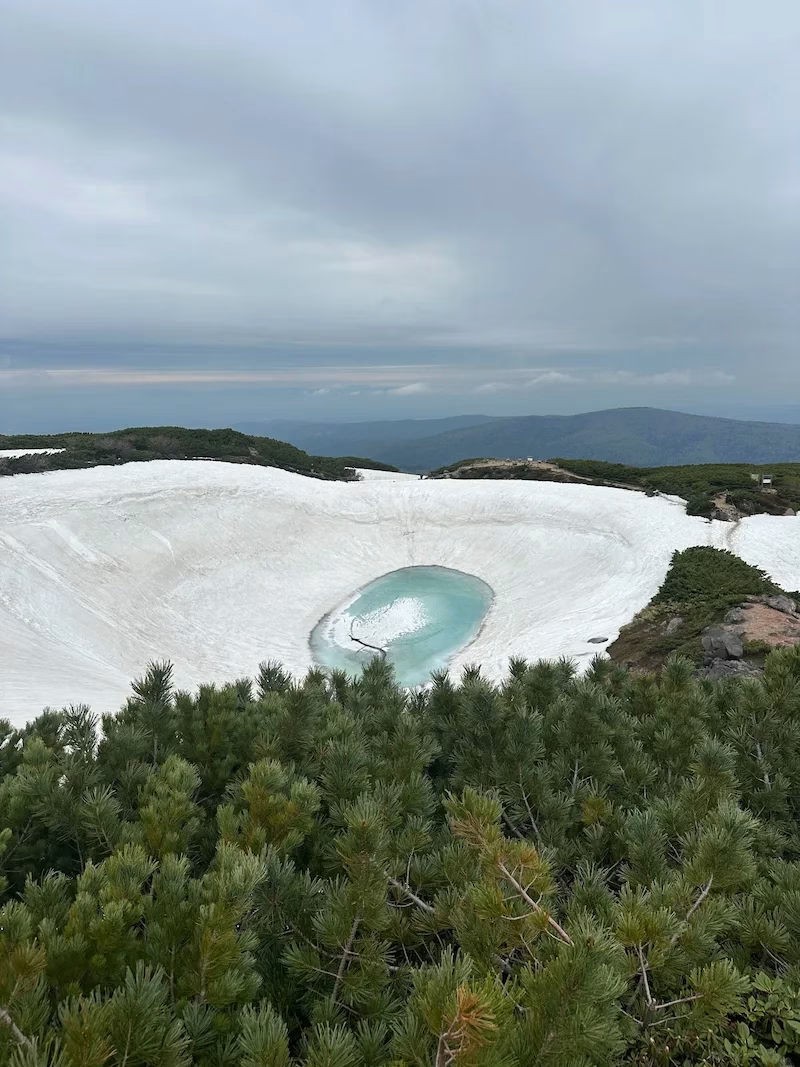
After a briefing from the staff, we embarked on the circular trail toward Sugatami-no-ike Pond.
This trail is suitable for a half-day trip and offers varying levels of difficulty.
- The Views: On a clear day, the pond acts as a perfect mirror, reflecting the peak of Asahidake.
- The Experience: The highlight was walking past the steam vents (fumaroles).
Seeing the steam billow out aggressively, smelling the sulfur, and feeling the heat radiating from the earth was an incredible, raw nature experience.
After the hike, we descended via the ropeway and grabbed a late lunch at the base station before heading back to our apartment for a burger dinner, exhausted but happy.
Day 7: The Long Goodbye
Our final morning was bittersweet. We packed our bags, took a final look at our cozy apartment, and began the drive back toward Sapporo and New Chitose Airport.
The drive back was mostly on expressways, which brings up an essential tip for future road trippers: the tolls. Throughout the week, we utilized the “ETC” (Electronic Toll Collection) lanes at the toll booths. Our rental car came equipped with a special ETC card inserted into the dashboard. This meant that every time we passed a toll, we didn’t have to stop and fumble for cash; we simply slowed down, the gate opened automatically, and the system recorded the fee to be paid later.
When we pulled into the Orix branch near the airport, the return process was seamless. Staff guided us to the reception area while a team performed a quick inspection of the vehicle. At the counter, we simply paid the total accumulated toll fees from the week, a hassle-free system that made driving so much easier.
After settling the bill, we boarded the free shuttle bus provided by Orix, which dropped us directly at the terminal.
As we boarded our flight to Osaka, watching the green fields of Hokkaido fade into the clouds, we knew this wasn’t really goodbye—it was just “see you next time.”
Conclusion: Why You Should Drive Hokkaido
Looking back, that one week in Hokkaido was a soul-healing experience.
I didn’t know what to expect before we arrived… I thought it would just be “Japan with more nature.” But it was so much more.
It was the freedom of the open road with Mt. Yotei in the rearview mirror. It was the taste of fresh melon and the heat of a volcanic vent. It was the simplicity of a trailer house by a quiet lake.
Renting a car was the best decision we made. It allowed us to unlock a version of Japan that trains simply cannot reach.
If you are looking for a trip that combines adventure, culinary perfection, and pristine scenery, book a flight to Sapporo, grab a set of keys, and drive north.
You won’t regret it.