


I’ll never forget my first real taste of Filipino food.
It wasn’t at a trendy restaurant, but at a friend’s bustling family party. The aroma of garlic, soy sauce, and something deliciously sour filled the air. I was handed a plate piled high with rice and a deeply colored stew. That dish was chicken adobo, and with one bite, I was hooked. It was savory, tangy, and profoundly comforting—nothing like I’d ever tasted before.
That moment sparked a culinary curiosity. How could a cuisine be so complex and yet so approachable?
This is a journey into the heart of Filipino cooking, from the must-try dishes that define the culture to the unique traditions that make every meal a celebration.
What Makes Filipino Food So Unique?
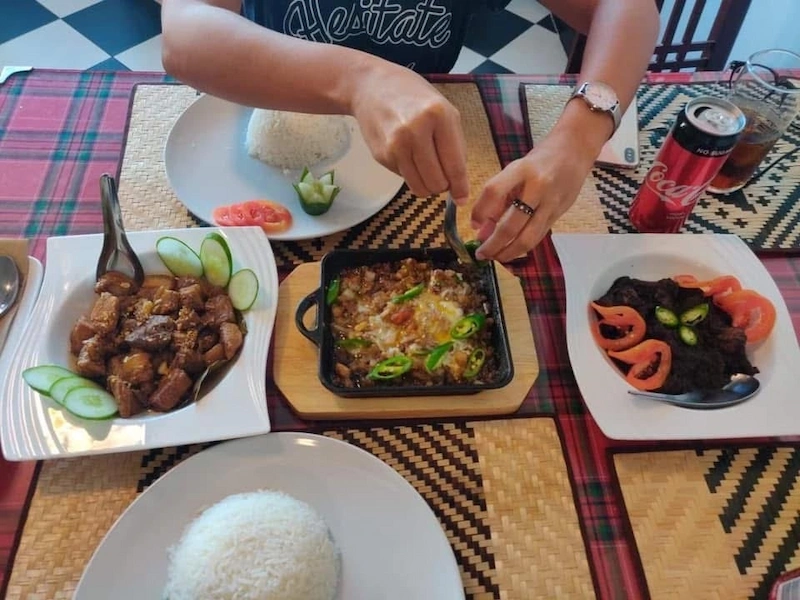
At its heart, Filipino food is the original fusion cuisine.
Think of Filipino food as a delicious melting pot. It started with local island ingredients and then mixed in flavors from centuries of trade and colonization.
Chinese traders brought noodles (pancit) and spring rolls (lumpia). Spanish colonizers introduced stews, braising techniques, and a love for festive dishes. Later, American influence brought a taste for fried foods and canned goods, which Filipinos ingeniously adopted.
But Filipino cuisine is far from just a copy of others.
The true magic lies in how Filipinos took these influences and made them entirely their own. They swapped out foreign ingredients for local ones, like the tart calamansi (a native citrus) and fragrant coconut milk, creating a flavor profile that is distinctively Filipino: a delightful balance of salty, sour, sweet, and savory.
A Flavor Adventure: 10 Filipino Dishes You Have to Try
Ready to dive in? Here are ten iconic dishes that offer a perfect introduction to the flavors of the Philippines. Use this quick guide to find the perfect dish for your palate!
| Dish Name | Primary Flavor Profile | Don’t Miss This If You Like… |
|---|---|---|
| Adobo | Salty & Sour | Rich, savory stews and braised meats. |
| Lechon | Rich & Savory | Crispy pork skin and succulent, tender meat. |
| Sisig | Savory & Tangy | Sizzling platters, bold textures, and bar food. |
| Sinigang | Sour & Savory | Tangy, brothy soups like Tom Yum. |
| Kare-Kare | Rich & Nutty (Sweet) | Creamy peanut sauces, like in Satay. |
| Bicol Express | Spicy & Creamy | Thai green curry or other spicy coconut dishes. |
| Pancit Bihon | Salty & Savory | Noodle stir-fries like Pad See Ew or Lo Mein. |
| Lumpia | Crispy & Savory | Classic spring rolls or egg rolls. |
| Dinuguan | Rich, Savory & Tangy | Deep, earthy flavors; for the adventurous eater. |
| Bulalo | Savory & Meaty | Light yet flavorful beef broths like Pho. |
Now, let’s get into the delicious details of each dish…
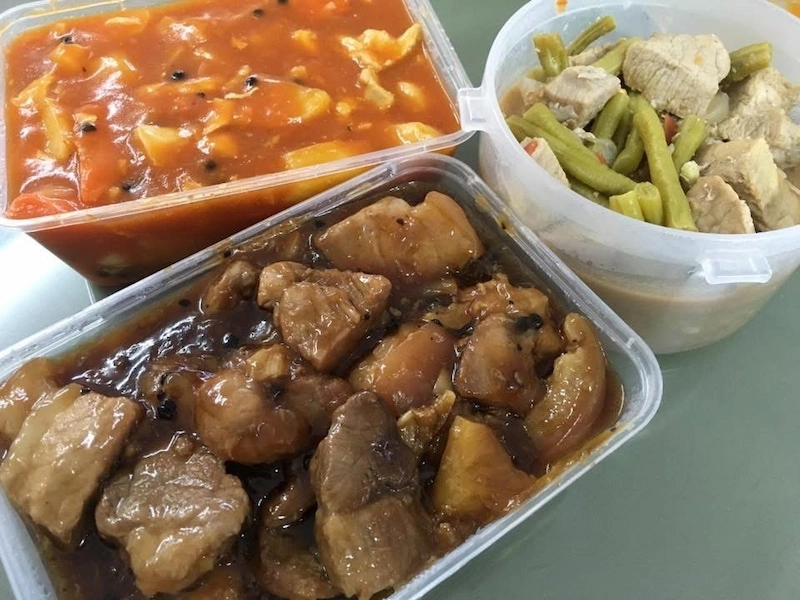
- Adobo: Often called the unofficial national dish, adobo is the ultimate Filipino comfort food. It involves stewing meat (usually chicken or pork) in a flavorful mix of vinegar, soy sauce, garlic, bay leaves, and peppercorns. My tip? It tastes even better the next day when the flavors have had more time to meld.
- Lechon: This is the undisputed king of any Filipino celebration. Lechon is a whole pig, spit-roasted over charcoal for hours until the meat is succulent and tender, and the skin is shatteringly crispy. The fight for the crispiest piece of skin is a beloved tradition at any party. To achieve this, the pig’s skin is often glazed with soy sauce, coconut water, or even milk during the roasting process.
- Sisig: For the adventurous eater, sisig is a must-try. This dish hails from the province of Pampanga, known as the culinary capital of the Philippines. It’s a sizzling, savory mix of chopped pig’s head (ears, cheeks, and snout) and chicken liver, seasoned with calamansi, onions, and chili peppers, often served on a hot plate with a raw egg cracked on top. It’s the perfect companion to a cold beer.
- Sinigang: This is a classic sour and savory soup that is beloved for its comforting qualities. The sourness typically comes from tamarind, but can also be derived from other native fruits like guava or kamias. It’s usually filled with pork or seafood and a variety of vegetables like water spinach, radish, and taro.
- Kare-Kare: A rich and hearty stew, Kare-Kare stands out with its thick, savory peanut sauce. Traditionally made with oxtail, tripe, and various vegetables, it’s often served with a side of bagoong (fermented shrimp paste) to cut through the richness and add a salty counterpoint.
- Bicol Express: If you love spicy food, this dish is for you. Originating from the Bicol region, it’s a creamy and fiery stew made with pork, simmered in coconut milk, shrimp paste, and a generous amount of chili peppers. The combination of creamy, savory, and spicy flavors is incredibly addictive.
- Pancit Bihon: A staple at birthday parties and other celebrations, these thin rice noodles are stir-fried with meat, shrimp, and vegetables. More than just a tasty dish, the long noodles symbolize a long and healthy life.
- Lumpia: These are Filipino spring rolls, and they come in two popular forms. The fried version, lumpiang shanghai, is filled with ground pork and vegetables, while the fresh version, lumpiang sariwa, features a soft crepe wrapper filled with sautéed vegetables and served with a sweet peanut sauce.
- Dinuguan: This is a savory stew of pork simmered in a rich, dark gravy made from pig’s blood, vinegar, and spices. While it might sound intimidating, its deep, savory flavor is a unique and beloved taste in Filipino cuisine, often paired with steamed rice cakes called puto.
- Bulalo: A comforting soup made from slowly simmered beef shanks and bone marrow, resulting in a light but deeply flavorful broth. It’s often cooked with corn on the cob, leafy greens, and other vegetables, making it a perfect meal for a cool day.
Pro-Tips for Your Filipino Food Adventure
Now that you have a list of dishes to try, here are a few cultural tips to help you enjoy your meal like a local.
1. The Golden Rule: It’s All About the Rice
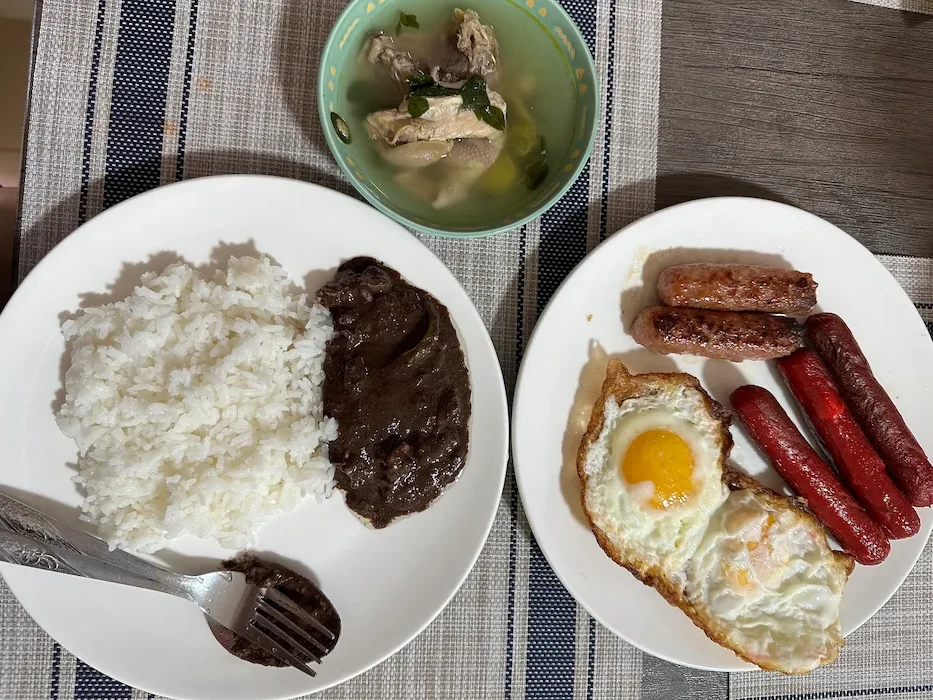
In the Philippines, rice is not just a side dish; it’s the main event.
Nearly every dish you’ve just read about is designed to be eaten with a generous portion of plain, steamed rice. The rice acts as a neutral canvas that balances the strong salty, sour, and savory flavors of the main dishes (ulam). Don’t be shy—ask for extra rice!
2. Master the “Sawsawan” (Dipping Sauces)
Filipino dining is highly interactive, and a key part of that is the sawsawan, or dipping sauce. You’ll often be given a small dish to create your own.
A classic combination is toyo (soy sauce), suka (vinegar), chopped sibuyas (onions), bawang (garlic), and a fiery kick from sili (chili). For fried or grilled dishes, a simple mix of soy sauce with calamansi is a go-to.
3. Embrace Eating “Kamayan” Style
Many Filipinos, especially in more casual or celebratory settings, eat kamayan, or with their hands. It’s believed that eating this way actually makes the food taste better.
To do it properly, use your fingertips to gather a small portion of rice and a piece of the main dish, then use your thumb to gently push the food into your mouth. It might feel awkward at first, but it’s a truly immersive and enjoyable cultural experience. Give it a try!
The “Budol Fight”: An Experience in Communal Eating
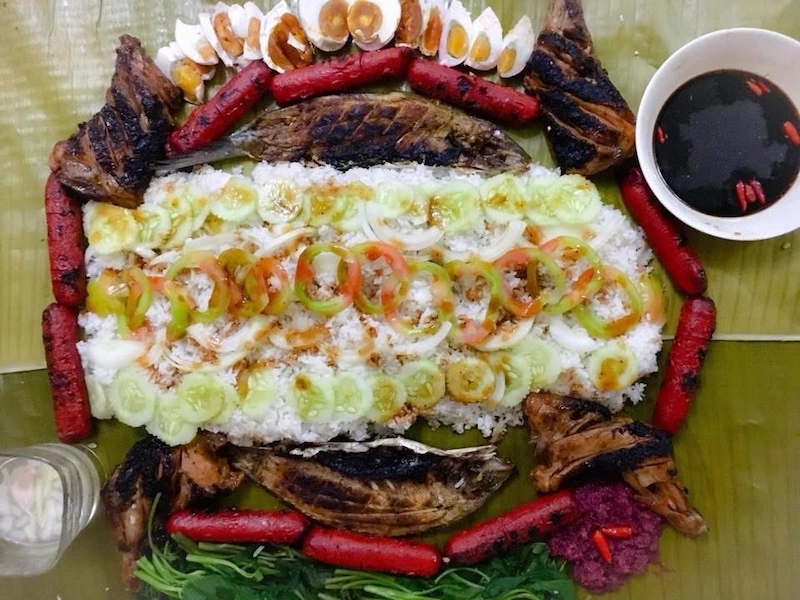
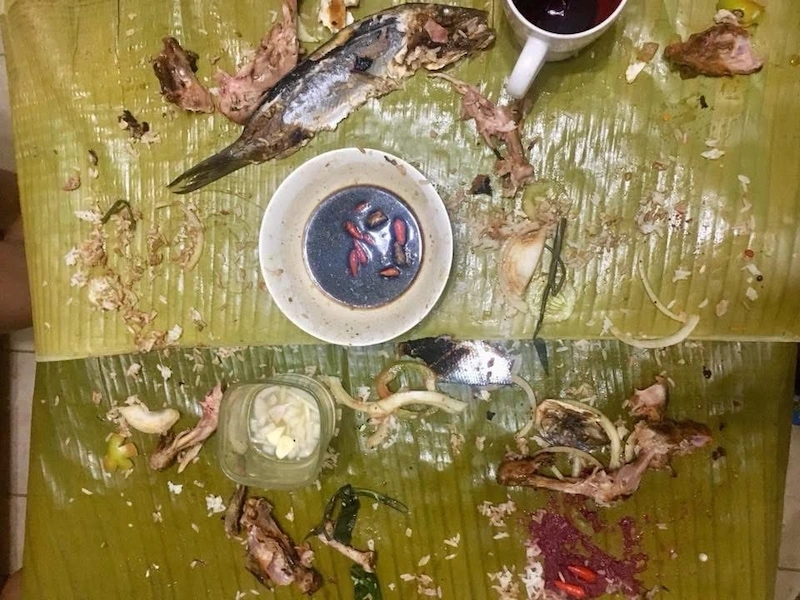
Beyond specific dishes, the way food is eaten is central to Filipino culture. Enter the “Budol Fight,” a military-style way of eating that has become a popular communal feast.
Imagine a long table covered in banana leaves, upon which mountains of grilled fish, pork, seafood, and rice are piled. There are no plates or utensils. Diners stand shoulder-to-shoulder and eat with their hands. It’s messy, joyous, and embodies the Filipino spirit of sharing and community.
Your Filipino Pantry Starter Kit
Want to try your hand at cooking Filipino food? You don’t need much to get started. These are the foundational ingredients that create those signature Filipino flavors.
- Soy Sauce (Toyo): Provides the salty, umami base for many dishes.
- Vinegar (Suka): A crucial ingredient that adds the characteristic sour tang. The Philippines boasts a wide variety of vinegars made from coconut, sugarcane, and palm.
- Fish Sauce (Patis): A fermented fish sauce that adds a pungent, savory depth.
- Shrimp Paste (Bagoong): A powerful, salty condiment made from fermented shrimp or fish.
- Calamansi: This small citrus fruit packs a tart, lime-like flavor essential for marinades and dipping sauces.
- Garlic and Onions: The aromatic foundation of countless Filipino recipes.
Is Filipino Food Unhealthy? Let’s Break It Down
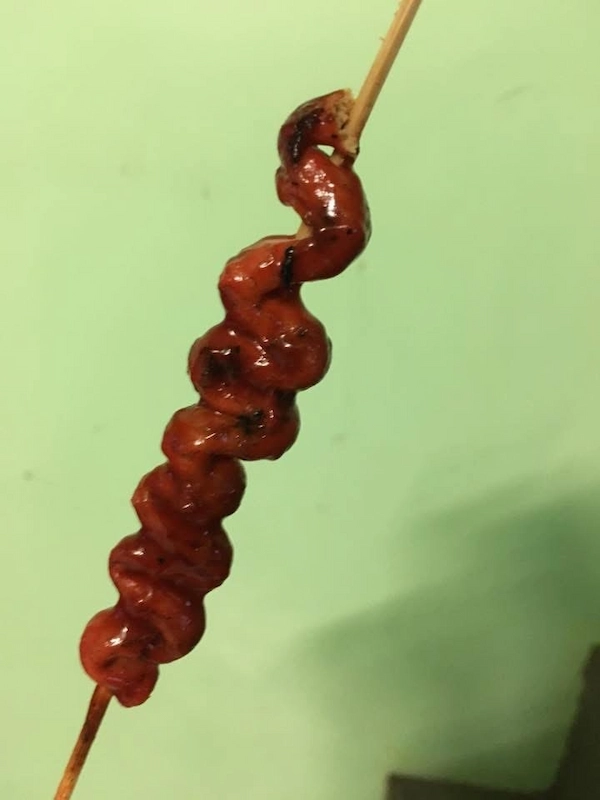
Filipino food sometimes gets a reputation for being “unhealthy,” often pointing to the love for pork, fried dishes, and salty flavors.
While it’s true that many celebratory foods are rich and indulgent, this is only one part of the story.
Traditional, everyday Filipino cuisine is often quite balanced. Indigenous cooking methods like grilling, steaming, and boiling are very common.
Many dishes are packed with vegetables, like Pinakbet (a vegetable stew flavored with shrimp paste) and Laing (taro leaves in coconut milk).
The key, like with any cuisine, is balance and moderation. For every crispy, fried dish, there are numerous light and healthy soups and vegetable-based meals.
Your Culinary Adventure Awaits
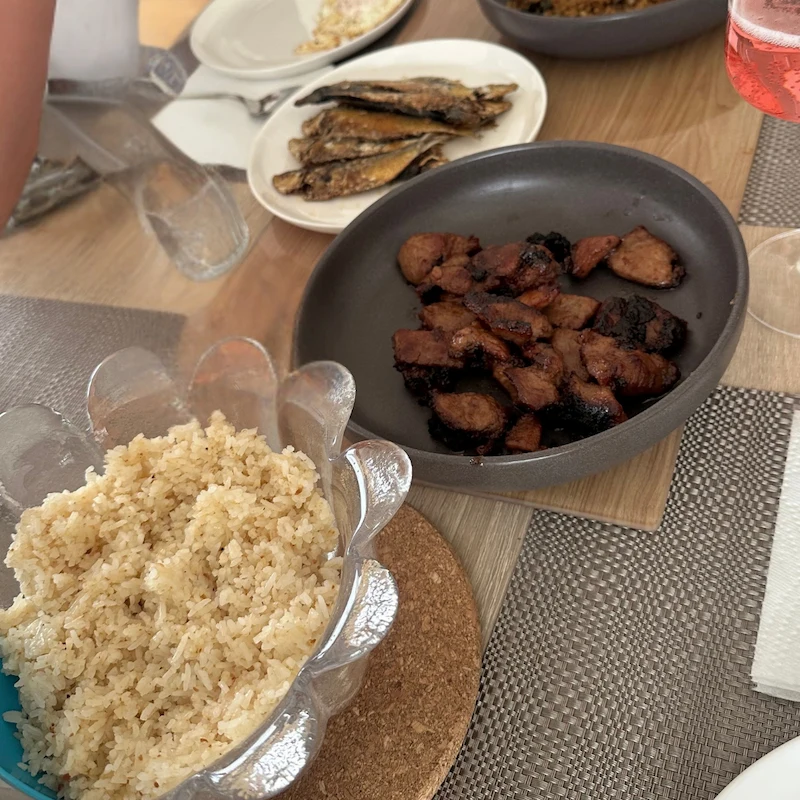
I hope this guide has demystified Filipino food and sparked your interest in exploring its incredible flavors.
It’s a cuisine that tells a story of a rich history, a vibrant culture, and a deep love for family and community.
So, be adventurous, try something new, and embrace the spirit of Filipino dining.
The next time you’re with Filipino friends and they say, “Kain tayo!” (“Let’s eat!”), you’ll know you’re in for a treat.