



Taiwan’s street food isn’t just snacks; it’s the beating heart of culture and community. Born from ancient temple fairs, night markets evolved into permanent hubs where sharing a steaming bowl or sizzling plate fosters spontaneous connection. This tradition also solved a practical need: with small home kitchens, affordable street meals became essential daily fuel.
Today, the vendor’s practiced precision is part of the spectacle, adding energy to the vibrant markets. It’s this unique blend of history, shared experience, and mouth-watering accessibility that makes exploring Taiwan’s street food an absolute must for any authentic travel adventure.
Navigating Taipei’s Most Authentic Street Food Markets
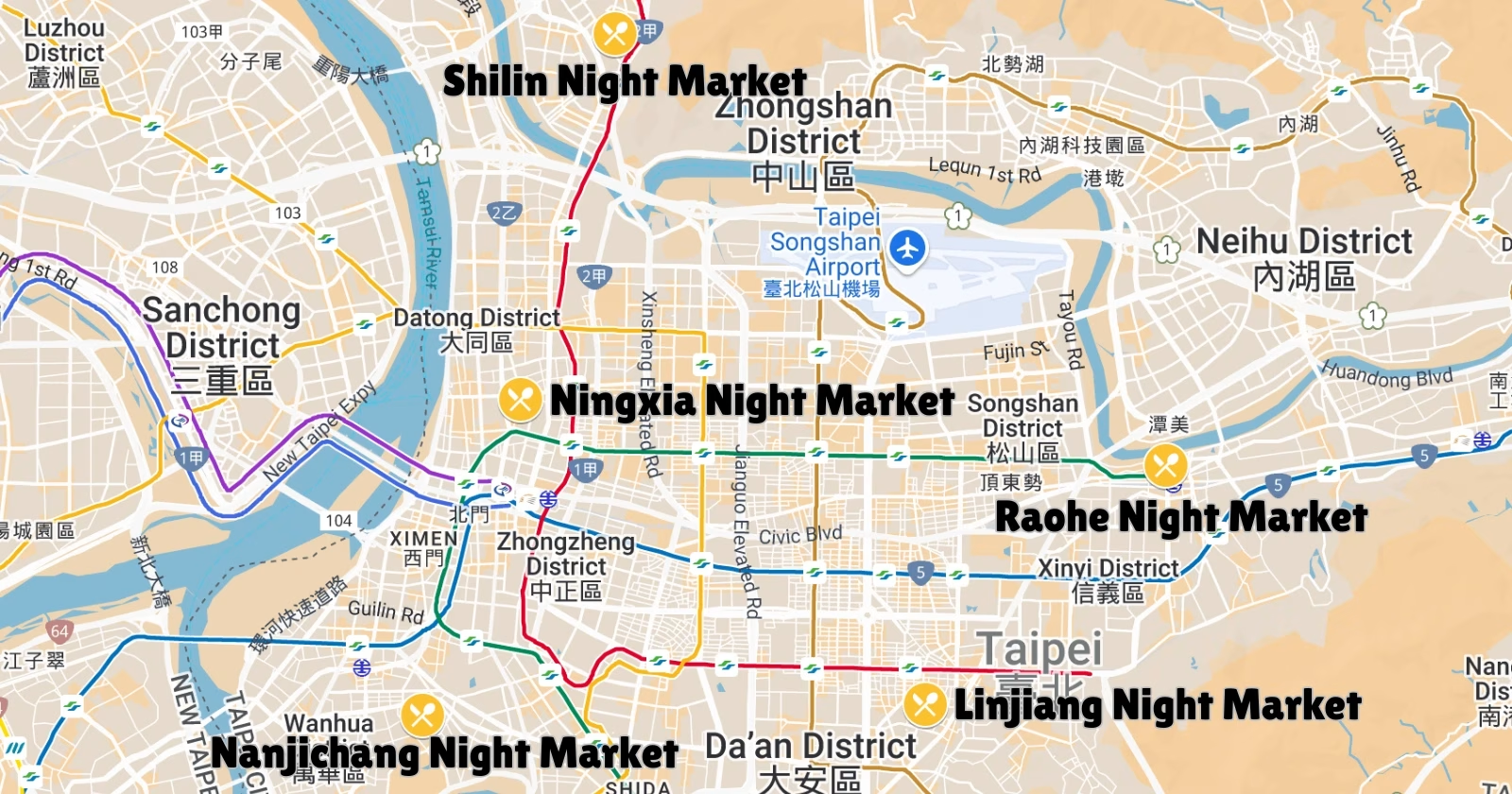
To truly eat like a local, one must venture beyond the well-trodden paths and embrace the raw, unfiltered energy of the markets. Each market possesses its own distinct character, a unique blend of aromas, sounds, and specialties. Remember that while some stalls accept digital payments, cash remains king, so ensure you have a supply of smaller denominations.
1. Shilin Night Market (士林夜市)
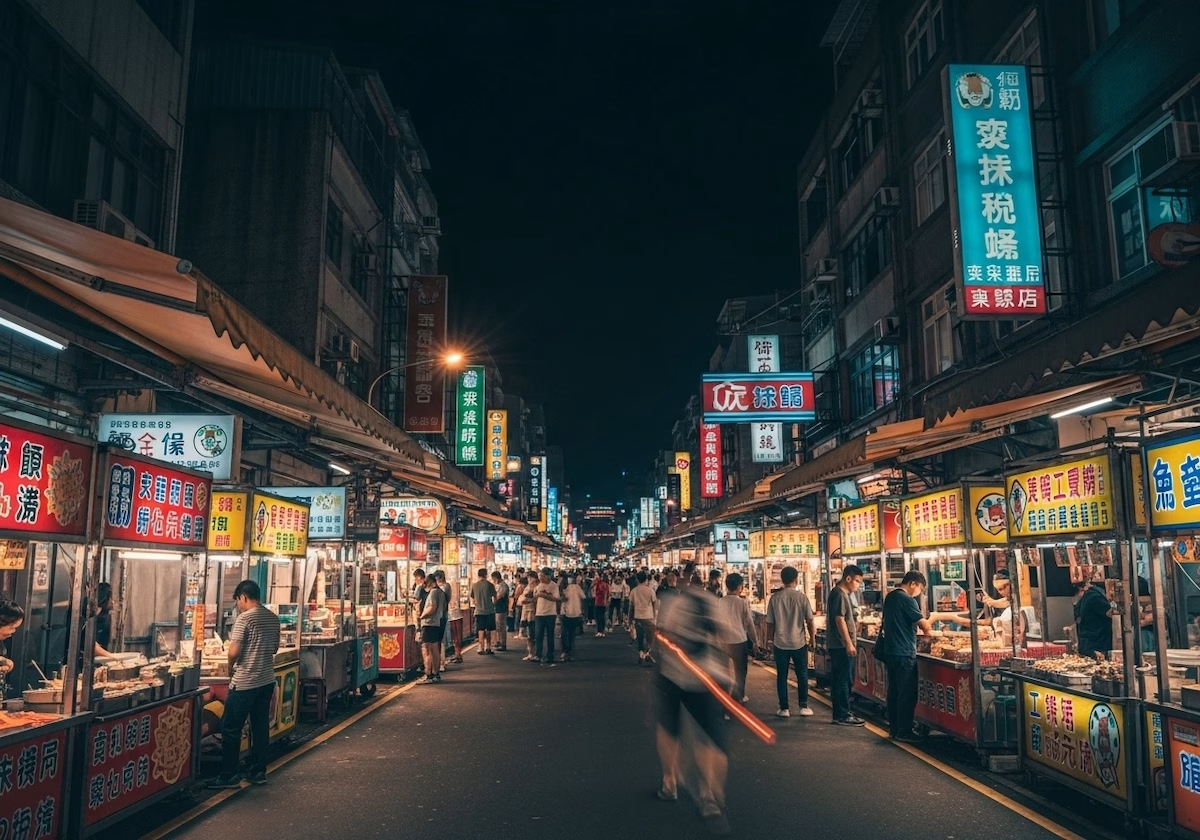
Often considered the grand dame of Taipei’s night markets, Shilin is a sprawling expanse of food stalls, shops, and entertainment. Its sheer size and variety can be overwhelming, but it offers an undeniable energy that draws both locals and tourists. The market’s food court, located in the basement, provides a more structured dining experience, while the surrounding alleys house numerous independent stalls.
Must-Try Dishes:
- Giant Fried Chicken Cutlet (豪大大雞排 Háo Dà Dà Jī Pái): A ubiquitous sight, this flattened chicken breast is generously coated in a seasoned flour mixture and deep-fried to achieve a crisp, golden-brown exterior. A final dusting of chili powder provides a subtle heat, complementing the tender, moist interior.
- Oyster Omelet (蚵仔煎 Ō Ā Jiān): This pan-fried delicacy features small, plump oysters combined with leafy greens, often Taiwanese bok choy, bound by an eggy batter thickened with starch. The result is a gelatinous texture with browned, crisp edges, served with a sweet and savory sauce that cuts through the richness.
- Small Sausage in Large Sausage (大腸包小腸 Dà Cháng Bāo Xiǎo Cháng): A clever culinary invention, this dish involves a grilled Taiwanese sausage, characterized by its sweet and fatty pork composition, nestled within a sticky rice sausage that has been slit open to serve as a bun.
- Pros: Immense variety of food and goods, lively atmosphere, easy accessibility via metro. Offers a quintessential night market experience.
- Cons: Can be extremely crowded, particularly on weekends. Some areas may feel more tourist-oriented, potentially leading to slightly higher prices or less authentic offerings. Navigating the sheer size can be daunting for first-time visitors.
2. Raohe Street Night Market (饒河街觀光夜市)
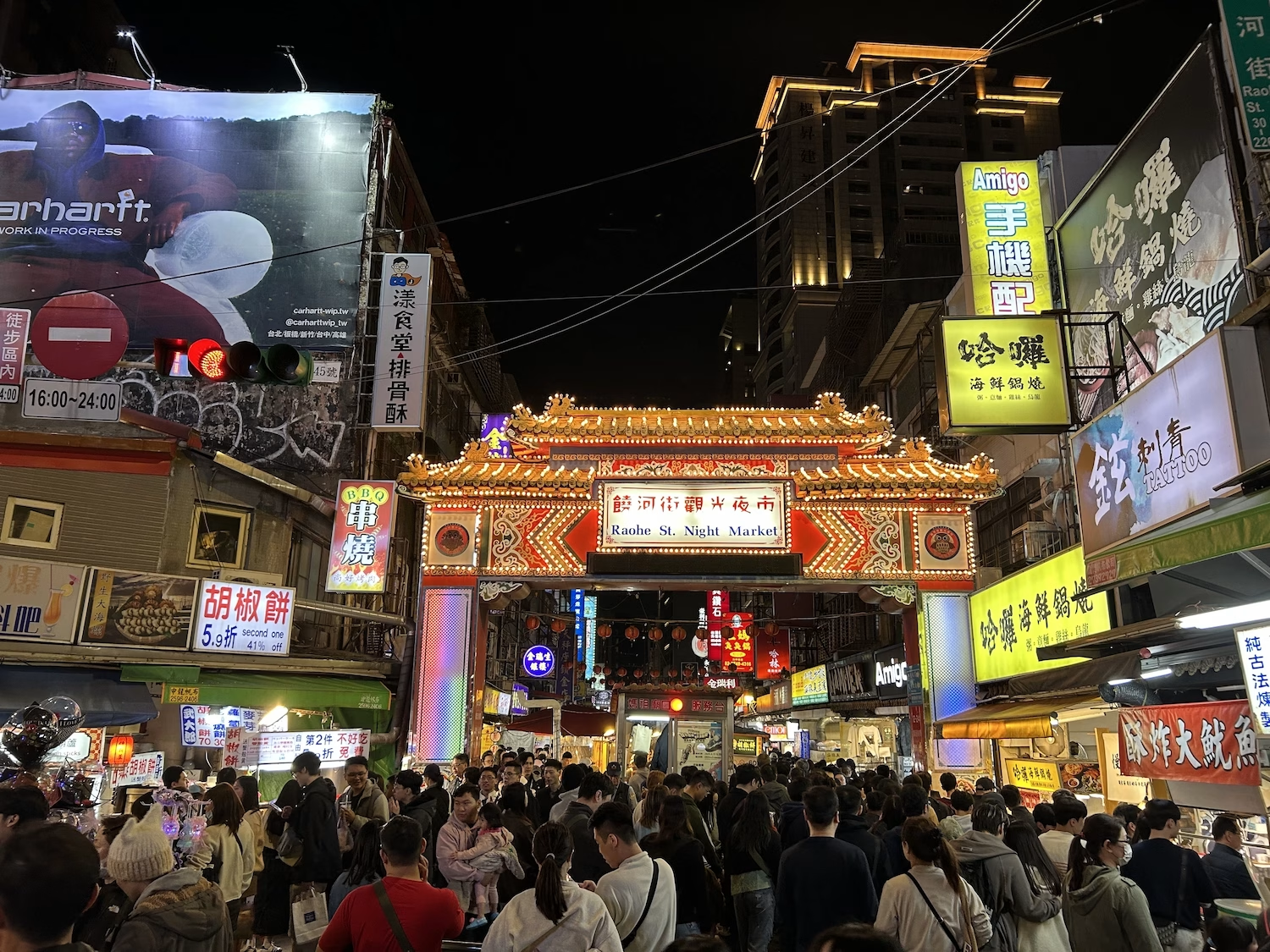
Nestled beside the ornate Ciyou Temple, Raohe offers a more contained yet equally vibrant experience compared to Shilin. Its linear layout makes it easier to navigate, and the immediate proximity to the temple imbues it with a distinct cultural charm. The market runs parallel to the Keelung River, offering a different backdrop.
Must-Try Dishes:
- Fuzhou Pepper Buns (福州世祖胡椒餅 Fúzhōu Shìzǔ Hújiāo Bǐng): A staple of Raohe, these buns are a culinary spectacle. Hand-rolled dough spheres are generously filled with seasoned pork and copious amounts of green onions, then baked on the inside walls of a cylindrical clay oven.
- Herbal Rib Soup (藥燉排骨 Yào Dùn Pái Gǔ): A comforting and restorative dish, featuring pork ribs simmered in a dark, aromatic broth infused with a blend of traditional Chinese herbs. The broth presents a deep, earthy aroma and a clear, dark brown hue. The meat detaches effortlessly from the bone, indicating its extended, tenderizing simmer. This soup is often consumed for its purported health benefits, a common practice in Southeast Asia’s varied culinary landscape where food and medicine often intersect.
- Pros: Excellent traditional food concentration, manageable size, iconic temple entrance providing a picturesque start, more authentic local feel than Shilin.
- Cons: Still prone to crowds, especially around popular stalls. The linear layout, while easy to navigate, offers less room for spontaneous discovery in side alleys.
3. Ningxia Night Market (寧夏夜市)
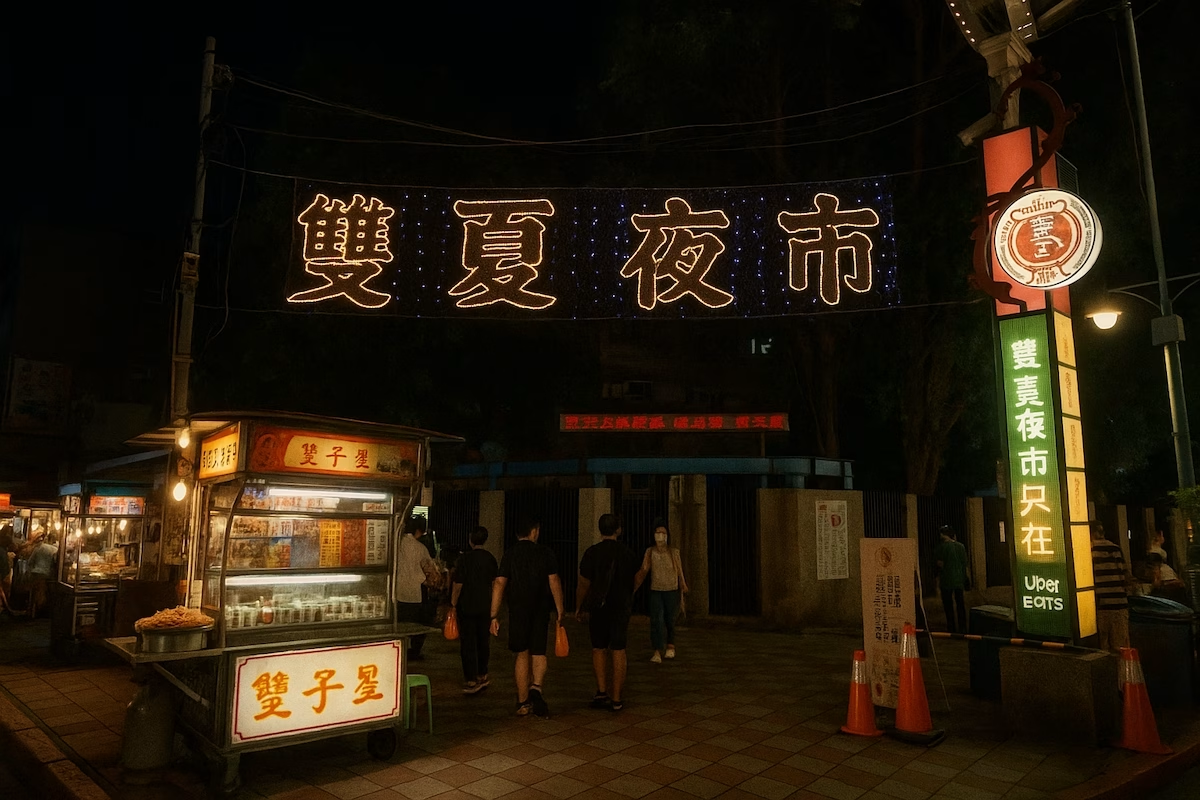
Considered by many locals to be “Taipei’s Kitchen,” Ningxia specializes almost exclusively in food. It’s smaller than Shilin or Raohe, focusing on traditional Taiwanese snacks and a more intimate, local atmosphere. The market is pedestrian-friendly, allowing for leisurely strolls between stalls.
Must-Try Dishes:
- Taro Ball (芋丸 Yù Wán): This deep-fried delight consists of mashed taro root, often filled with a savory salted duck egg yolk or a mixture of savory pork floss. The exterior offers a crisp, golden shell, giving way to a soft, subtly sweet taro interior. The vendor “Liu Yu Zai” (劉芋仔) is particularly renowned for these, often selling out quickly.
- Braised Pork Rice (滷肉飯 Lǔ Ròu Fàn): A quintessential Taiwanese comfort food, this dish features steamed white rice generously topped with finely minced pork belly. The pork is stewed in a rich, dark soy sauce mixture until it becomes incredibly tender and gelatinous, exhibiting a glossy sheen.
- Egg Yolk Taro Balls (蛋黃芋丸 Dànhuáng Yù Wán): A specific variation of the taro ball, distinguished by a vibrant, bright orange duck egg yolk at its core, encased by the familiar purple-grey taro paste. This adds a rich, salty counterpoint to the taro’s natural sweetness, creating a complex flavor profile.
- Pros: High concentration of authentic, traditional Taiwanese snacks. More local patronage, creating a genuine atmosphere. Pedestrian-only layout enhances the dining experience. Known for higher quality and consistency among its vendors.
- Cons: Can become very crowded due to its popularity among locals. Limited non-food stalls, so it’s primarily a culinary destination. Seating can be scarce.
4. Linjiang Street Night Market (臨江街觀光夜市)
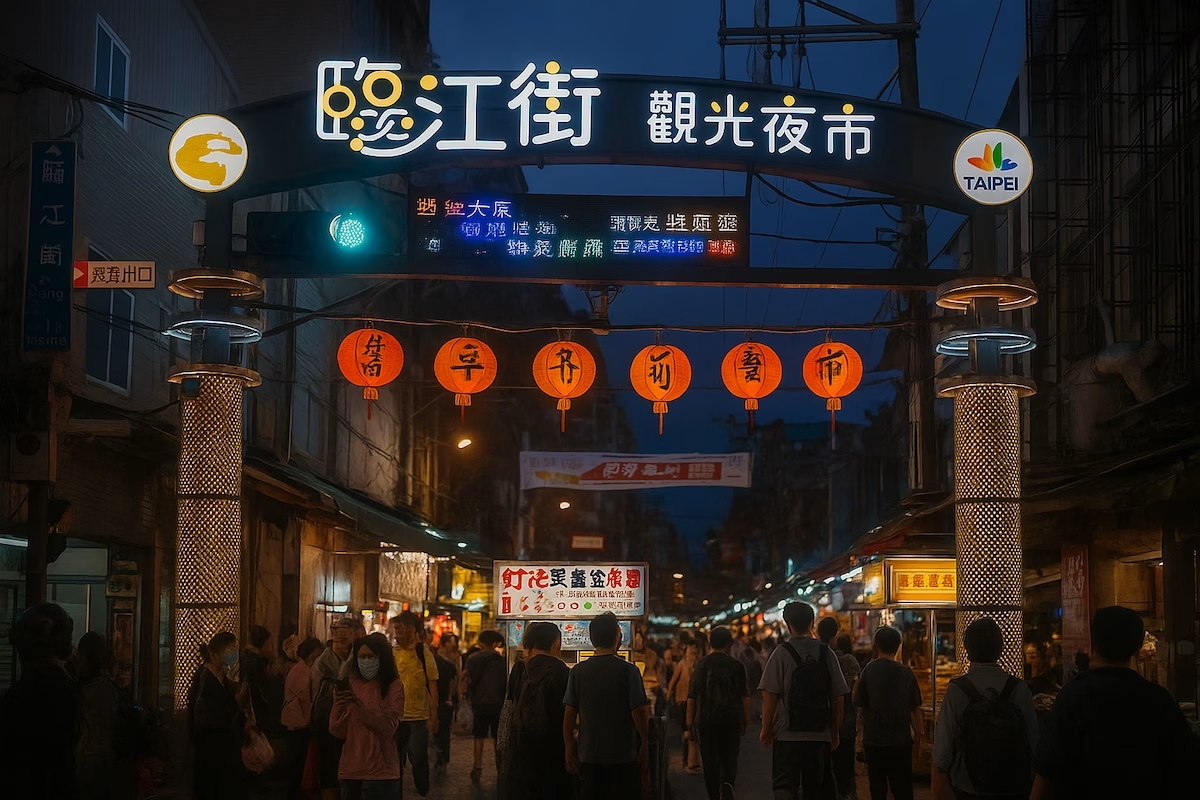
This market offers a charming blend of food and fashion, less touristy than some of its counterparts and favored by Taipei residents for its relaxed evening vibe. It’s a good option for those seeking a balance between culinary exploration and casual browsing.
Must-Try Dishes:
- Gua Bao (割包 Guà Bāo): Often dubbed the “Taiwanese burger,” this dish features a soft, cloud-like steamed bun, resembling a taco shell. It is generously filled with tender, melt-in-your-mouth braised pork belly, tangy pickled mustard greens, finely ground peanuts, and fresh cilantro.
- Pork Blood Cake (豬血糕 Zhū Xiě Gāo): A unique and polarizing delicacy, this sticky rice cake is mixed with pig’s blood, steamed until firm, then often grilled or deep-fried. It’s typically coated with a savory peanut powder and fresh cilantro before serving. It possesses a firm, dense texture and a distinct earthy aroma, a testament to its traditional preparation.
- Stinky Tofu (臭豆腐 Chòu Dòufǔ): While found in many markets, Tonghua has notable stalls. This fermented tofu, typically deep-fried, presents a crisp exterior and a soft, custardy interior. It emits a pungent, distinct aroma that is surprisingly appealing to many once sampled. Commonly served with pickled cabbage and a chili garlic sauce, which cuts through its richness.
- Pros: Good mix of food and general shopping. More relaxed atmosphere compared to larger markets, popular with locals, offering a glimpse into everyday Taipei life. Easily accessible by metro.
- Cons: Not as extensive as the larger markets, so food variety might be slightly less. It can still get quite busy, especially in the central food areas.
5. Nanjichang Night Market (南機場夜市)
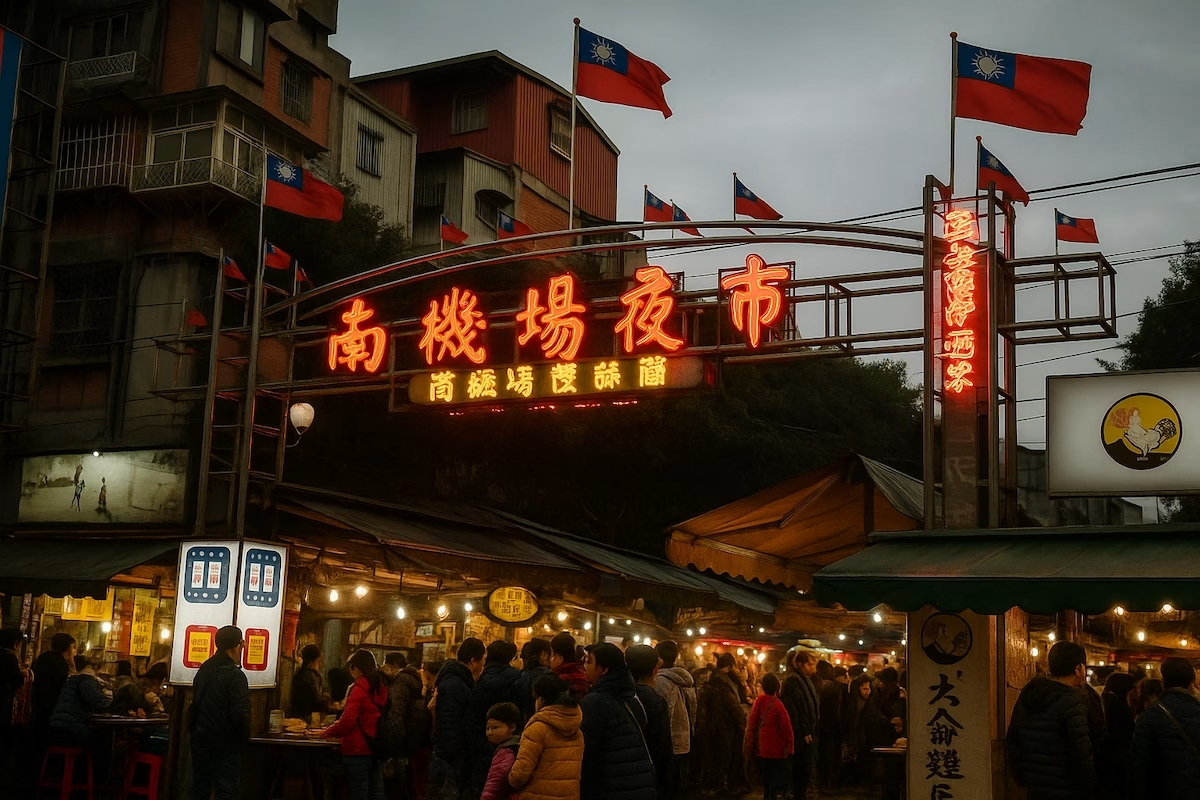
For a truly local and authentic experience, Nanjichang is an excellent choice. Located further from the main tourist hubs, it primarily caters to residents, offering lower prices and a genuine community feel. English menus are less common here, adding to its authentic charm.
Must-Try Dishes:
- “A Nung” Stinky Tofu (阿男麻辣燙臭豆腐 A Nán Málàtàng Chòu Dòufǔ): A celebrated specialty of Nanjichang, this version of stinky tofu is served in a spicy hot pot broth, often accompanied by duck blood and various vegetables.
- Lu Wei (滷味 Lǔ Wèi): A highly customizable dish, Lu Wei involves selecting various ingredients – from tofu and vegetables to offal and different types of noodles – which are then braised together in a flavorful, often soy-based broth. Customers choose their desired items, which are then warmed through and served with the rich, aromatic, dark braising liquid. Each item absorbs the savory, slightly sweet essence of the broth.
- Handmade Dumplings (手工水餃 Shǒu Gōng Shuǐ Jiǎo): Several stalls here specialize in freshly made dumplings, offering a satisfying textural experience with a thin, pliable wrapper encasing a juicy pork and vegetable filling. They are often served steamed or boiled, emitting a savory aroma.
- Pros: Exceptionally authentic and local atmosphere, with fewer tourists. Generally lower prices than more prominent markets. Known for specific, high-quality local specialties that have built a loyal following. Offers a deep dive into genuine Taipei life.
- Cons: Less English-friendly, which might require pointing or a translation app. Can be less accessible for tourists without clear navigation or local guidance. The variety of general goods is limited, with a strong focus on food.
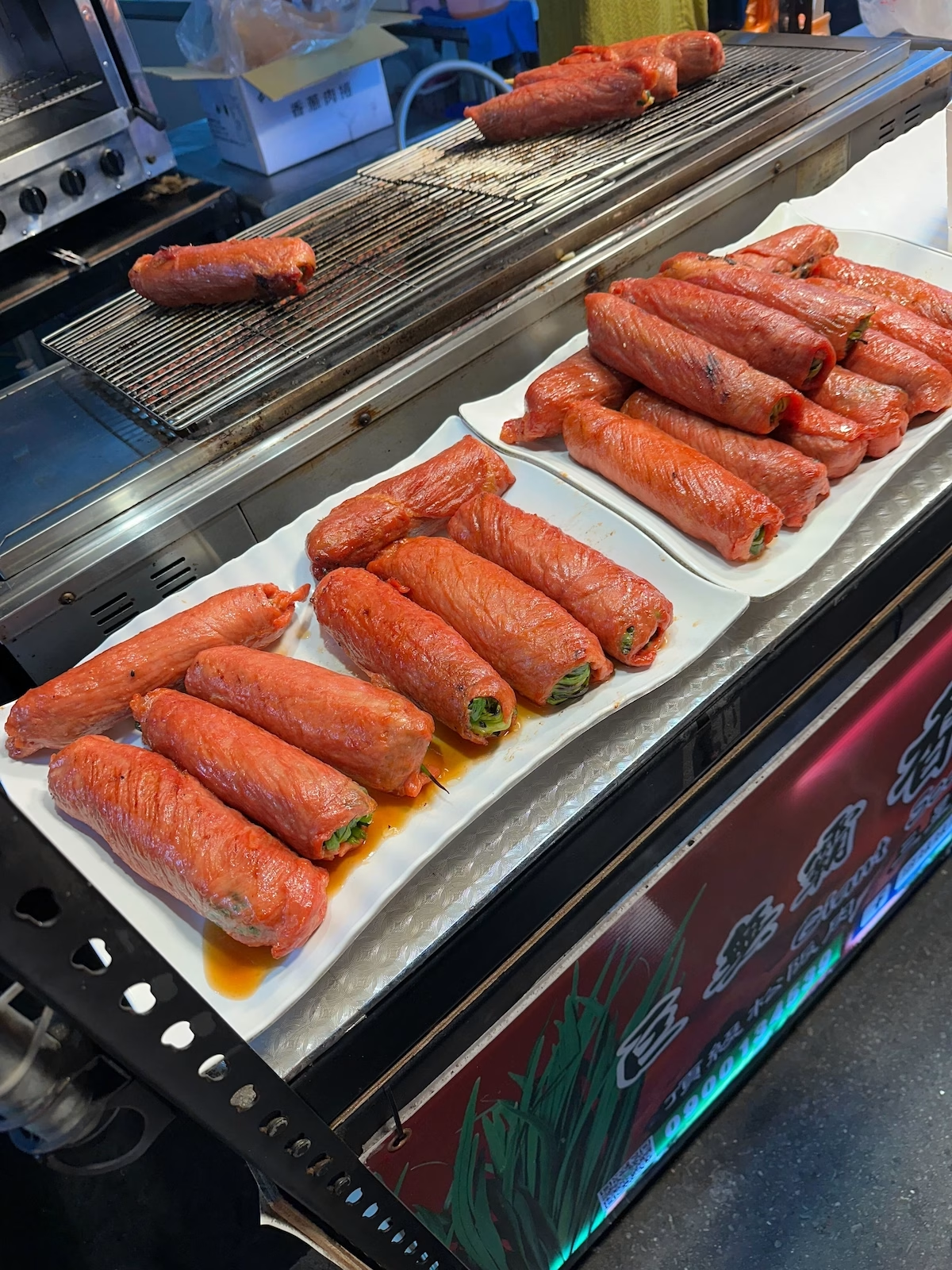
I find immense joy in uncovering Asia’s heart through spontaneous travel and deep cultural immersions. Much like the discovery of hidden gems in other dynamic urban hubs, Taipei’s night markets offer a unique window into local life.
Embracing the Culinary Adventure
Taipei’s street food markets are vibrant cultural theaters, not just dining spots. Each passionate vendor offers a taste of heritage, where every bite—from a crisp giant chicken cutlet to a savory pepper bun—tells a story of Taiwanese identity. The unforgettable sights, sounds, and aromas create an experience that lingers.
To truly understand Taipei, dive into this culinary art form. Shed expectations, follow your senses into the bustling chaos, and connect with the city one delicious bite at a time. Let these authentic flavors ignite a lasting love for Asia’s vibrant soul. Your taste buds—and spirit—will thank you.