


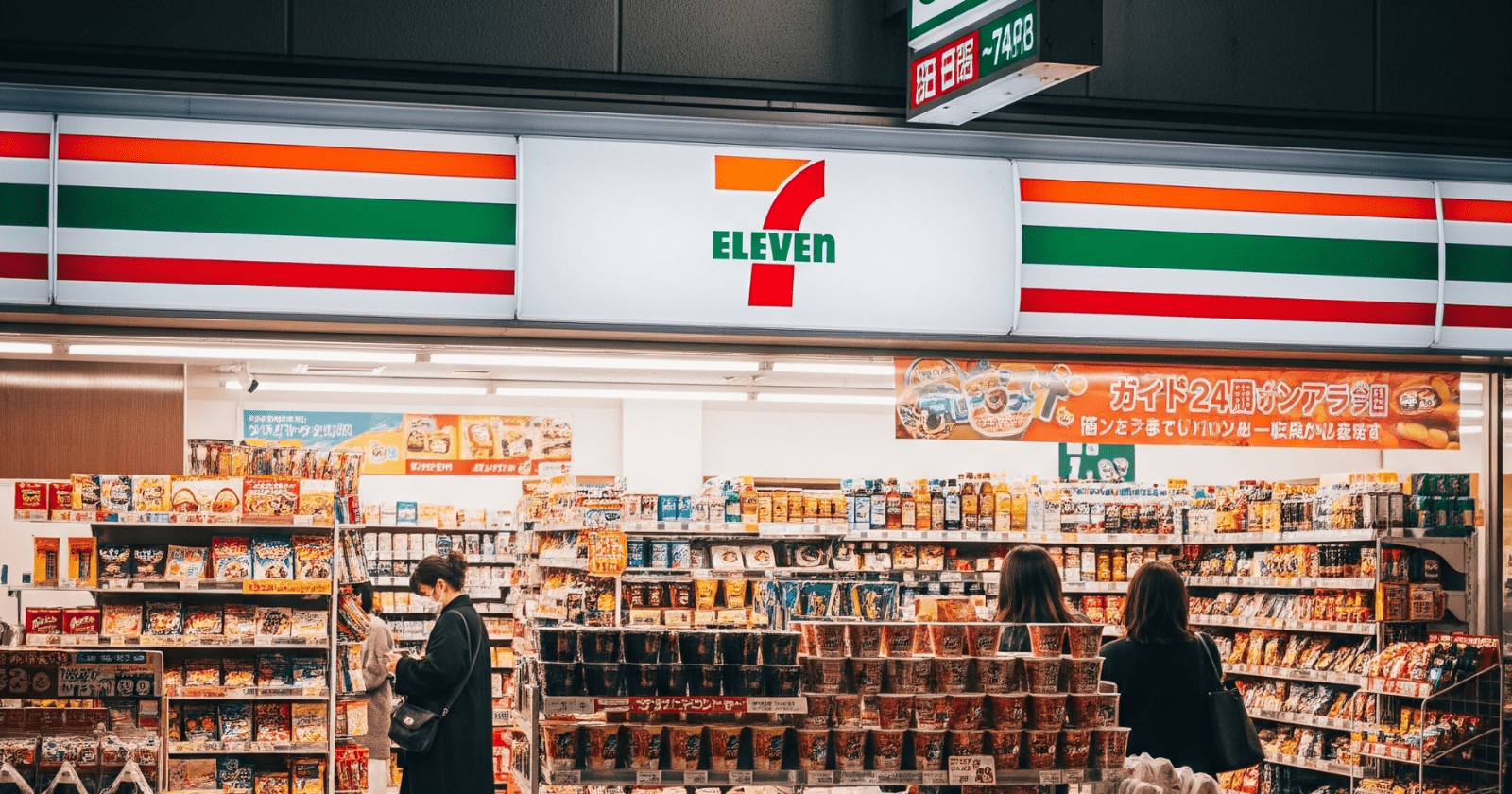
I just went from a 16-day trip to Japan (my third trip BTW… yes, I love Japan!), stayed in Tokyo, Hokkaido, Osaka and Hakone. And let me tell you, their convenience stores, or kombini, saved me from hunger and thirst more than a few times!
Stepping into a 7/11 in Japan is an immersion into a microcosm of Japanese daily life and, crucially, its culinary landscape. These omnipresent convenience stores, or konbini as they are affectionately known, are far more than just places to grab a quick drink. They are hubs offering a remarkable array of fresh food, ready-to-eat meals, and a fascinating selection of packaged and prepared snacks.
Must-Try Bites at 7/11 Japan
While the inventory in Japan’s 7/11 stores is vast and ever-changing, certain items have achieved iconic status, representing readily available, characteristic Japanese snacks. These are the items that frequently draw attention, offering distinct textures, aromas, and flavor profiles that are accessible to both seasoned visitors and those new to Japanese cuisine. Let’s explore some of the most notable selections you are likely to encounter.
1) Onigiri (Rice Balls)
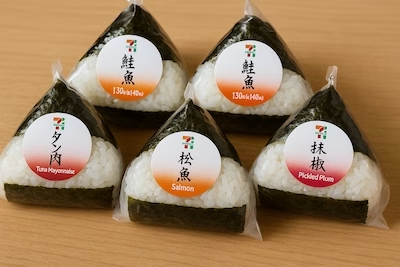
Onigiri stands as a cornerstone of Japanese portable food, embodying simplicity and versatility. At 7/11, these rice balls are typically triangular or cylindrical, encased in a sheet of dried seaweed (nori) often wrapped in a clever two-part plastic film that keeps the nori crisp until opening. The core is formed from steamed white rice, offering a slightly sticky texture that holds its shape. Fillings vary widely, from classic pickled plums (umeboshi), salted salmon (sake), and seasoned cod roe (mentaiko) to modern additions like tuna mayonnaise or teriyaki chicken.
Each filling provides a distinct flavor contrast to the neutral rice base – umeboshi contributes a sharp, sour note; salted salmon offers a savory, slightly flaky texture; tuna mayonnaise provides a creamy, rich consistency. The aroma is primarily that of plain rice and seaweed, with a subtle hint of the filling’s character upon opening.
2) Sandwiches (Sandōicchi)
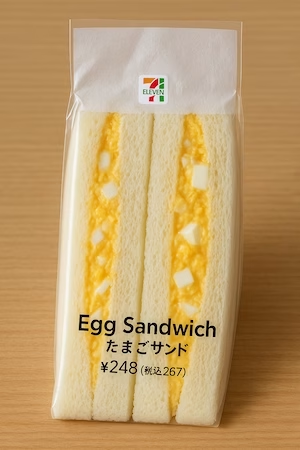
Japanese convenience store sandwiches present a specific style characterized by soft, crustless white bread and a generous amount of filling. The Egg Sandwich (Tamago Sandōicchi) is particularly famous. It features a thick layer of finely chopped hard-boiled egg bound together with a creamy dressing, offering a uniformly soft texture.
Other popular fillings include tuna mayonnaise, ham and cheese, or katsu (breaded pork cutlet) with sauce. Unlike sandwiches in some Western contexts, these are often seen as individual, ready-to-eat portions designed for immediate consumption, reflecting the focus on freshness.
3) Oden (Seasonal)
During the cooler months, the steaming pot of Oden becomes a prominent feature near the 7/11 counter. Oden is a Japanese winter stew consisting of various ingredients simmered in a light, soy-flavored broth. Common components include daikon radish, konnyaku (a jelly-like texture from a plant), boiled eggs, fish cakes (like chikuwa or satsuma-age), and tofu variations. Each item absorbs the complex, savory aroma of the dashi-based broth, which contains elements like soy sauce, mirin, and sometimes kelp (konbu) or bonito flakes (katsuobushi).
4) Monaka Jumbo (Ice Cream)

Monaka Jumbo is a popular ice cream treat consisting of a large wafer sandwich, often shaped like a fan or rectangle, filled with vanilla ice cream and a layer of sweet red bean paste (anko) or sometimes chocolate. The wafer itself is light and crispy, offering a stark textural contrast to the smooth, cold ice cream and the dense, sweet anko layer within. The aroma is faintly sweet from the wafer and the fillings.
This specific item is an adaptation of traditional monaka confectionery (which typically uses mochi and anko), transforming it into a mainstream frozen dessert. It provides a refreshing sweet snack, particularly during warmer months, combining familiar Japanese flavors with a widely appealing format.
5) Wagashi (Traditional Japanese Sweets)
While larger confectionery shops specialize in elaborate wagashi, 7/11 often carries simpler versions of traditional Japanese sweets, offering a taste of this intricate culinary art. Daifuku, for example, is a soft, chewy mochi (pounded glutinous rice) wrapper typically filled with a sweet red bean paste (anko). The mochi provides a unique, elastic texture, while the anko offers a dense, sweet flavor with earthy undertones from the azuki beans. Other wagashi-inspired items might include dorayaki (pancakes filled with anko) or variations featuring green tea (matcha) or seasonal fruits.
6) Yakisoba Pan
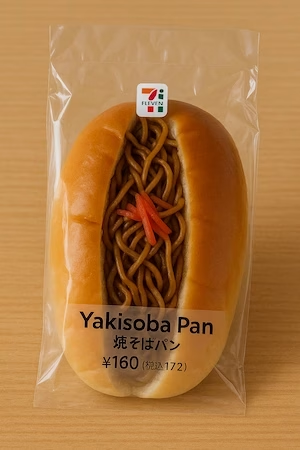
Yakisoba Pan is a distinctly Japanese creation that combines two carbohydrate staples: yakisoba noodles and a hot dog bun. The bun is split and filled with stir-fried yakisoba, which typically includes cabbage, sometimes pork, and is coated in a tangy-savory sauce similar to Worcestershire.
While perhaps unusual to those unfamiliar with Japanese bakery items, Yakisoba Pan is a popular and surprisingly satisfying snack or quick lunch, often associated with school canteens and casual bakeries, representing a unique adaptation of Western bread culture in Japan.
7) Karaage (Japanese Fried Chicken)
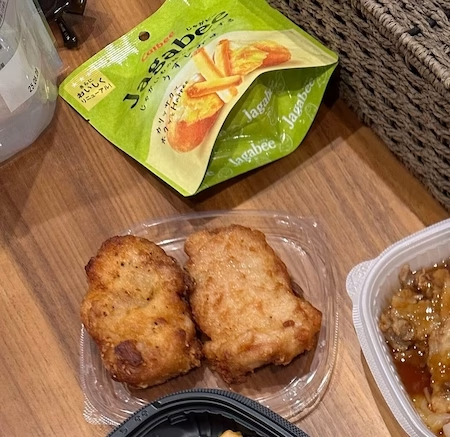
Karaage, a method of deep-frying various ingredients, most commonly chicken, is a widely popular dish across Japan, found in home cooking, restaurants, and, significantly, convenience stores. 7/11’s version, often branded specifically like “Karaage-kun,” offers bite-sized pieces of boneless chicken. The preparation results in a craggy, golden-brown exterior that provides a satisfying crispness upon biting, revealing a moist, tender interior.
8) Calbee Jagabee Potato Fries
Calbee Jagabee are a specific type of packaged potato snack designed to mimic the shape and texture of french fries. Made from actual potatoes, they have a firm, slightly dense texture with a noticeable potato flavor, unlike many puffed or reformed potato snacks. They offer a satisfying crunch that is less airy than potato chips but not as heavy as actual fried potatoes. Available in various flavors, such as original salt, butter soy sauce, or cheese, they provide savory notes that complement the inherent earthiness of the potato.
9) Mini Burgers
Convenience stores in Japan often feature small, ready-to-eat burgers or burger-like sandwiches. These are typically single-patty burgers on soft buns, sometimes with cheese or a simple sauce. The texture is generally soft throughout, with a yielding bun and a tender patty. The flavor profile is a simplified version of a standard burger, focused on the savory meat and the soft bread.
10) Melon Pan
Melon Pan is a classic Japanese sweet bread, instantly recognizable by its round shape and a thin layer of crisp cookie dough covering the top, scored in a pattern resembling a melon’s rind. Despite the name, it rarely tastes of melon; the name refers purely to its appearance. The bread underneath is soft and slightly sweet, while the cookie layer provides a contrasting sugary crunch. The texture combination of soft interior and crisp exterior is its defining characteristic.
11) Gyoza and Shumai
Ready-to-eat steamed dumplings like gyoza (pan-fried dumplings) and shumai (steamed pork dumplings) are also common offerings in the heated section. Gyoza typically feature a thin wrapper encasing a savory filling of ground pork and vegetables, pan-fried on the bottom for a crisp contrast to the steamed top and sides. Shumai are made with a thin wrapper enclosing a seasoned pork or shrimp filling, steamed until tender. The texture of gyoza is a mix of crisp and soft, while shumai are uniformly soft and yielding.
12) Sweet Potato Balls (Daigaku Imo)
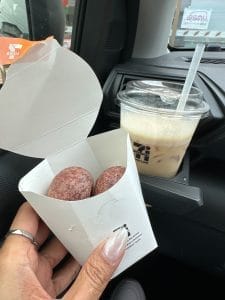
While perhaps less consistently available than others, sweet potato items, particularly those resembling Daigaku Imo (candied sweet potatoes), can sometimes be found in convenience stores. These are typically bite-sized pieces of sweet potato that have been deep-fried and then coated in a sweet syrup or glaze, often with black sesame seeds. The texture is soft on the inside with a slightly firm or sticky exterior due to the glaze. The flavor is intensely sweet, highlighting the natural sweetness of the sweet potato itself, complemented by the rich syrup and a subtle nuttiness from the sesame seeds.
Bonus Item: Iced Coffee Latte
While not strictly a solid snack, the availability of freshly prepared Iced Coffee Latte from in-store machines is a significant aspect of the 7/11 experience in Japan and often accompanies a snack purchase. These machines dispense coffee and milk into a cup filled with ice. The result is a cold, milky coffee beverage.
This accessibility to relatively high-quality, customizable coffee drinks adds another layer to the convenience and appeal of the Japanese 7/11 as a destination for quick sustenance and refreshment, often enjoyed alongside a selected snack item.
“The food at convenience stores… has evolved to meet the sophisticated palates of the Japanese public.”
– Japan Times article on Konbini food quality
Conclusion
Engaging with the snacks at a Japanese 7/11 is more than just satisfying hunger; it’s participating in a daily ritual and experiencing a facet of the country’s food culture that is accessible and pervasive. These stores serve as informal museums of modern Japanese everyday food, waiting to be explored by the curious palate.
Whether you are a food enthusiast or a traveler planning a trip to Asia, the snack aisles of Japan’s 7/11 stores offer an accessible and rewarding entry point into the country’s rich and varied food landscape.