


Chiang Mai has been called the digital nomad capital of the world so many times the title has almost lost its meaning. And yet, every month, a fresh wave of remote workers lands at the airport, laptop in tow, convinced they’ve done their research. Within weeks, many of them are quietly packing up to leave.
I gave myself three months. That was six years ago, and I’m still here.
The 8 Chiang Mai Nomad Mistakes at a Glance
Six years living here. Here is what catches almost everyone
the first time:
- Visa: Arriving on a visa exemption and assuming border runs still work reliably. They don’t.
- Housing: Booking Airbnb for the first month. Direct monthly leases cost 2–3x less (from 4,000 THB).
- Neighbourhood: Defaulting to Nimman without walking Santitham first. Cheaper, more local, 15 minutes away.
- Burning Season: Not planning around February–April. AQI regularly hits 200–350. Most long-term residents leave.
- Coworking: Treating cafés as an office. WiFi drops, tables fill by 9am, and the unspoken time limit compounds.
- Community: Staying inside the nomad bubble. The real Chiang Mai is richer than the expat layer floating on top of it.
- Banking: Arriving without Wise. The Thai ATM fee is 220 THB per withdrawal — every time, regardless of amount.
- Scooter: Renting without an international licence. Fines are common. More importantly, your travel insurance won’t pay if something goes wrong.
In six years of living in this city, not visiting, living, I’ve watched the same mistakes play out on repeat. Some are practical. Some are invisible until they’ve already cost you time, money, or momentum. Moving to Chiang Mai as a digital nomad is genuinely one of the best decisions you can make, but what nobody tells you before you go is that the city has a specific set of traps that catch almost everyone the first time around.
Here are the eight that matter most, what actually happens, and what to do instead.
1) The Reality: Arriving Without a Visa Plan Is More Costly Than You Think

Most digital nomads arrive in Thailand on a tourist visa or visa exemption, which gives them 30 to 60 days depending on nationality. It feels like enough time. It isn’t, and the gap between that assumption and reality is where the problems begin.
Running out a tourist exemption and then doing a border run to extend it is a well-worn nomad tradition in Chiang Mai, but it’s increasingly unreliable. Thai immigration has tightened scrutiny on repeat border crossings, and there are documented cases of travellers being denied re-entry after multiple back-to-back runs. Even when it works, a border run to Mae Sai or a day trip to a neighbouring country costs time, transport, and energy that adds up quickly over several months.
The cleaner solution, introduced in 2024, is the Destination Thailand Visa (DTV). For 10,000 baht, roughly $291 USD, it gives five years of access to Thailand with 180-day entries and multiple re-entries allowed.
For a digital nomad planning to base in Chiang Mai long-term, it is by far the most cost-effective visa Thailand has ever offered. The catch is the application requirement: you need to show 500,000 baht in savings (around $14,500 USD) and apply from outside the country. That rules out a spontaneous application once you’re already here.
What to Do Instead
Plan your visa before you book your flights, not after you’ve already arrived. If the DTV suits your situation, and for most nomads planning to stay longer than three months it does, apply from your home country or from a neighbouring country like Vietnam or Malaysia where processing is established.
If you’re not yet eligible for the DTV, at minimum enter on a tourist visa rather than a visa exemption, which buys you 60 days instead of 30. Check the current state of border run policies before relying on them, as these change.
For a full breakdown of entry requirements, the cash-on-arrival rule, and what changed in 2026, the Thailand Entry Rules 2026 guide covers it in detail.
2) The Reality: Booking Airbnb for Your First Month Costs You Three Times the Local Rate
Chiang Mai is famous for its affordable cost of living, and the numbers are real. But the prices most nomads see when they first arrive are not the prices locals and long-term residents pay. Airbnb and short-term rental platforms apply significant premiums over the monthly rental market, and a studio apartment that lists for $800 a month on Airbnb might rent for $250 to $400 per month on a direct one-month lease.
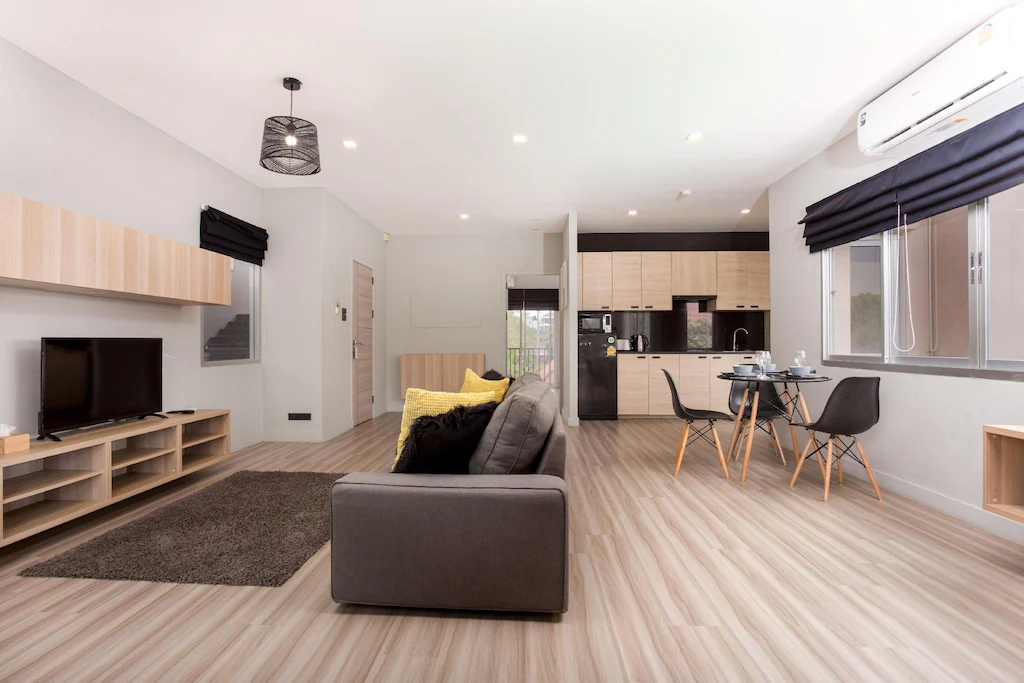
The monthly rental market in Chiang Mai is largely offline. Apartments don’t always list on international platforms. Landlords put signs on gates. Buildings have LINE groups. The best deals circulate through Facebook groups like Chiang Mai Digital Nomads or Chiang Mai Expats, where people post units they’re vacating or buildings they recommend. A perfectly decent studio in Santitham with air conditioning, WiFi, and a clean bathroom goes for 4,000 to 7,000 baht per month ($115 to $200 USD). The same quality on Airbnb costs two to three times that.
The other trap is arriving during high season (November to February) and locking into a short-term lease at peak prices, then discovering that rates drop significantly in the hotter, quieter months.
What to Do Instead
Book a guesthouse or serviced apartment for your first week or two, just enough time to walk neighbourhoods, check buildings in person, and join the relevant Facebook groups.
Once you know where you want to be, look for monthly leases directly. Ask in the groups, walk streets and look for rental signs, and be prepared to negotiate directly with landlords. One month advance and one month deposit is the standard arrangement.
For a full breakdown of what different buildings offer and what to budget per neighbourhood, the top condos by neighbourhood in Chiang Mai guide is the most practical starting point.
3) The Reality: Choosing the Wrong Neighbourhood Shapes Everything Else
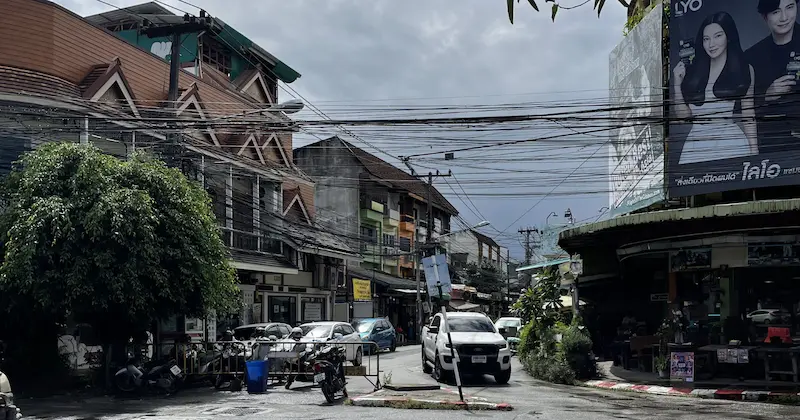
Nobody tells you this before you arrive: where you live in Chiang Mai determines the quality of your daily life more than almost any other decision. The city’s neighbourhoods feel close on a map but operate as genuinely different worlds.
Most nomads default to Nimman because it’s what every guide recommends. Nimman is good. It has coworking spaces, international cafés, fast WiFi everywhere, and a built-in community of other remote workers. It’s also the most expensive neighbourhood in the city, the noisiest (the airport approach runs directly overhead), and the most likely to make you feel like you never actually left a westernised co-working environment. Monthly rents in Nimman run 10,000 to 25,000 baht for a studio, and the area can feel more like a digital nomad theme park than a city you’re actually living in.
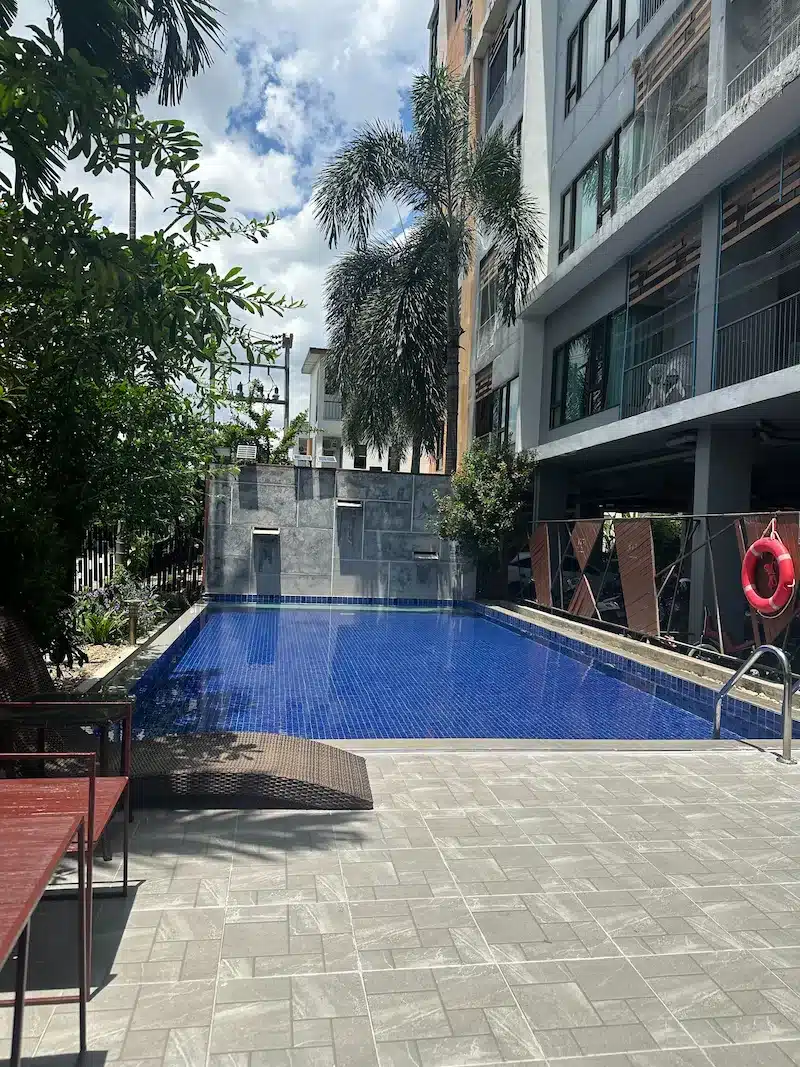
The Old City is the opposite extreme. Beautiful, walkable, full of temples and morning markets and the particular quiet of streets that have been lived in for centuries. It’s also heavily tourist-facing, which means guesthouses outnumber long-term apartments, and the pace doesn’t always suit a working week.
Santitham, just north of Nimman, is where most long-term residents quietly drift once the novelty of Nimman wears off. It’s cheaper (4,000 to 8,000 baht per month for a decent studio), more local, less polished, and close enough to Nimman that you can scooter or walk in fifteen minutes. It’s where the “I actually live here” feeling comes from.
What to Do Instead
Spend your first week walking all three areas at different times of day: morning, working hours, and evening. Notice where your body relaxes. If you need community and don’t mind the premium, Nimman works. If you want local life and savings without sacrificing access, Santitham is the move. If your priority is cultural immersion and you’re less dependent on coworking infrastructure, the Old City rewards patience. The mistake is not making the decision consciously.
If you’re still weighing the options, the complete neighbourhood breakdown for digital nomads covers costs, vibe, and who each area actually suits.
4) The Reality: Burning Season Is Not a Minor Inconvenience
This is the one thing that catches more nomads off guard than anything else, and it’s the most common reason people leave Chiang Mai earlier than planned.
Every year between February and April, agricultural burning across northern Thailand, Laos, Myanmar, and Cambodia sends smoke south and west, where it settles into the mountain basin that Chiang Mai sits in. The city’s geography, surrounded by mountains on all sides, means the smoke has nowhere to go. Air Quality Index readings during peak burning season regularly hit 200 to 300.
In April 2025, the AQI topped 350 multiple times, making Chiang Mai the most polluted city on Earth for more than a week. In March 2026, readings hit 263 at peak. The WHO daily safe limit for PM2.5 is 15 micrograms per cubic meter. Chiang Mai has recorded readings of 188 during the worst stretches, more than twelve times that threshold.
The practical effects are not abstract. Sore throats, itchy eyes, persistent coughing, and headaches are the minimum. For anyone with asthma or respiratory sensitivities, it becomes genuinely dangerous. Even healthy people who stayed through the worst weeks of 2025 reported struggling to work, sleep, or spend time outdoors. Hospitals in Chiang Mai reported surges in patients with breathing complications.
I leave every year. Most long-term residents do. Not forever, just for the worst of it. And the ones who don’t leave mostly have air purifiers running in sealed apartments and spend their outdoor time watching an AQI app.
What to Do Instead
Time your arrival for November through January if you’re visiting for the first time. This is Chiang Mai’s best season: cool, clear, dry, and genuinely beautiful. If you’re here long-term, build a burning season escape into your plans each year. Popular alternatives among Chiang Mai nomads are Koh Phangan, Koh Lanta, and Krabi in the south, where sea breezes keep the air clear. Some go to Vietnam or Bali for the worst of March.
If you stay, invest in an N95 mask and a good air purifier and monitor daily AQI on IQAir or aqicn.org. Book refundable accommodation in the north during this period so you have the flexibility to leave if conditions spike. For planning your full-year calendar around Chiang Mai’s seasons, the Chiang Mai rainy season guide covers what the wet months actually look like for day-to-day living.
5) The Reality: Not Every Café Is a Coworking Space
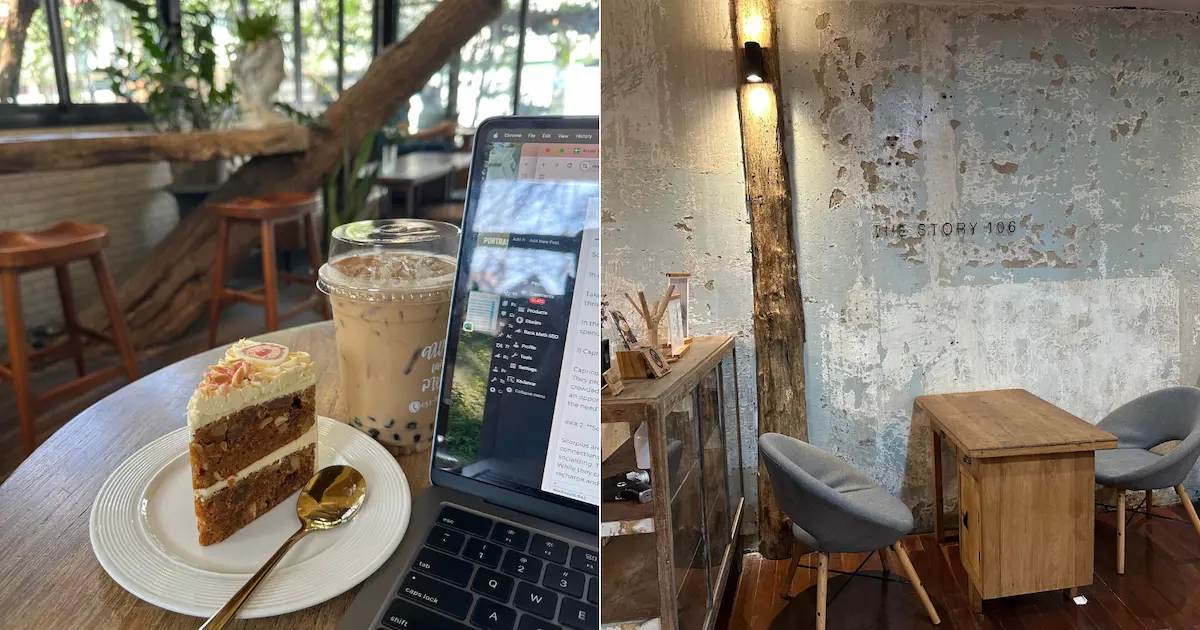
Chiang Mai’s café culture is extraordinary and legitimately one of the best in Southeast Asia. There are hundreds of beautifully designed, independently owned coffee shops, many of them WiFi-enabled and clearly set up for people who want to work. It’s easy to spend weeks moving between them and feel like you’ve solved your work environment problem entirely.
The issue is that a café and a coworking space are not the same thing, and confusing them creates friction that compounds over time. Café WiFi is inconsistent: adequate for calls and light browsing on a quiet Tuesday morning, but shared across everyone in the room, which means speeds drop unpredictably during busy hours. Most cafés operate on an unspoken social contract where you buy a drink, stay a few hours, then leave. Some enforce this explicitly with two-hour WiFi codes per purchase. During high season, popular working cafés fill up by 9am and staying all day requires constant reordering.
The nomads who build sustainable work routines in Chiang Mai almost always anchor their week around a reliable coworking space and use cafés as a secondary environment for shorter sessions or a change of scene.
What to Do Instead
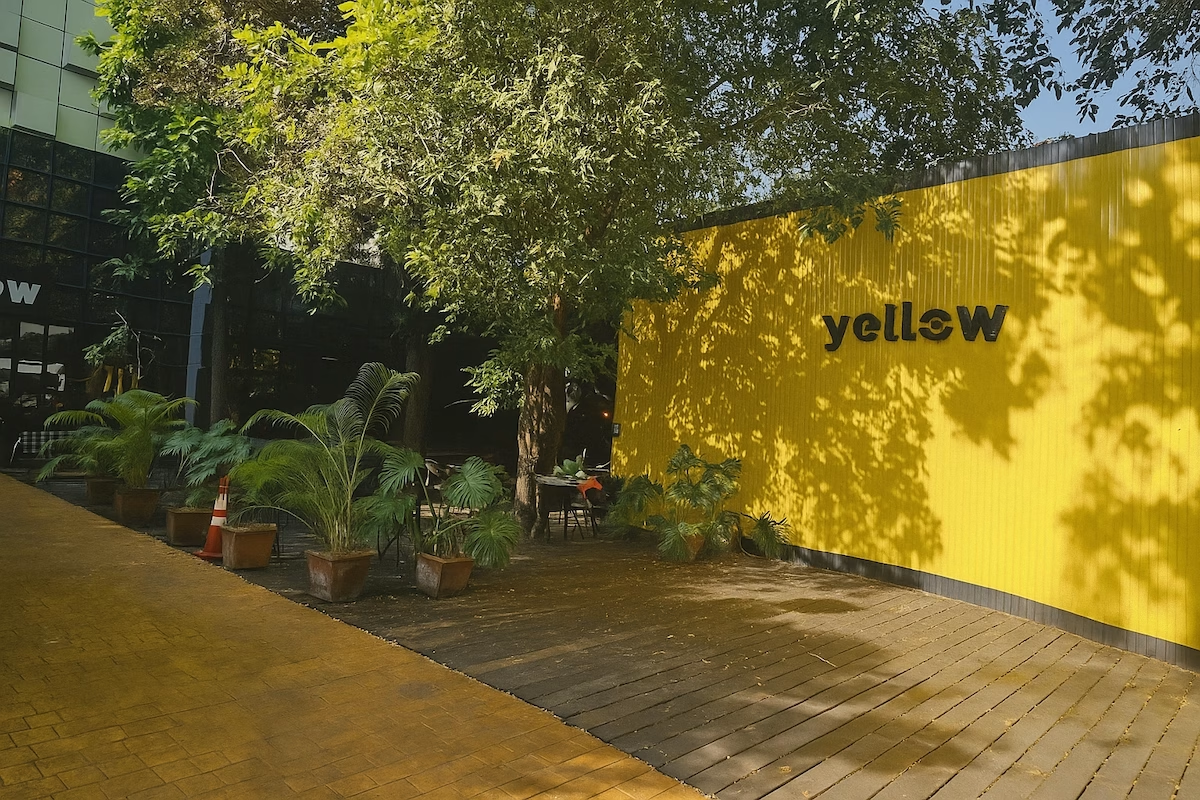
Test a coworking space in your first week before you settle into a café routine.
CAMP in Maya Mall is the classic budget option: buy a coffee and get WiFi access, open long hours, right next to Nimman. Punspace Nimman and Punspace Tha Phae are established, reliable, and have day passes around 150 to 200 baht. Yellow Coworking has a strong community feel and monthly memberships from around 2,500 baht. Alt_ChiangMai is the premium option, with fast internet, quality equipment, and 24-hour access for around 2,500 to 3,000 baht per month.
For cafés, treat them as a supplement rather than a foundation. For a vetted shortlist of the best working cafés in the city, the Chiang Mai cafés and coffee shops guide is worth bookmarking alongside your coworking routine.
6) The Reality: The Nomad Bubble Is Real, and It Will Quietly Limit Your Experience
Chiang Mai has one of the most established digital nomad communities in the world, which is both its greatest asset and its most underacknowledged trap. Within days of arriving, you can slot into a ready-made social world of coworking events, nomad meetups, Facebook groups, and expat brunches. It’s warm, familiar, and entirely possible to spend months here without meaningfully interacting with anyone Thai.
The nomads who leave Chiang Mai disappointed almost always describe the same experience: they spent their time in a bubble that was comfortable but shallow. The city they experienced was a curated international version of Chiang Mai rather than the actual city, which is richer, stranger, funnier, and more rewarding than the nomad layer floating on top of it.
The nomads who stay long-term almost always describe the same shift: at some point they stopped being tourists inside a bubble and started actually living here. Regular spots at local restaurants where the owner knows your order. A Muay Thai gym where you know every trainer by name. Neighbours. A morning routine that has nothing to do with coworking or Instagram.
What to Do Instead
Use the nomad community as an entry point, not a destination. Go to the meetups in your first few weeks — they’re genuinely useful for orientation and finding your feet. Then deliberately push past them. Eat at the same local restaurant three days in a row. Take a Thai cooking class not as a tourist activity but as a starting point for understanding the food you’re eating every day. Learn twenty words of Thai. It costs nothing and opens doors in a way that surprises most people.
The city rewards consistency and presence in a way that short stays never reveal.
7) The Reality: Arriving Without Your Finances Set Up Creates Weeks of Friction
Thailand’s banking system does not make it easy for foreigners to open accounts, and most international cards charge foreign transaction fees and ATM withdrawal fees that add up fast. The standard Thai ATM fee for foreign cards is 220 baht per withdrawal, every time, regardless of amount. At two withdrawals a week, that’s over 17,000 baht a year in fees alone.
Most nomads arrive thinking they’ll figure out banking when they get there and discover that figuring it out takes longer than expected. Bangkok Bank and Kasikorn Bank are the most foreigner-friendly options, but branch requirements and documentation requests vary, and getting a Thai bank account without a work permit or long-term visa has become progressively harder. The DTV visa has opened up new options here, but you need the visa and the right documents ready before walking in. 
In the meantime, the practical workarounds are Wise for holding and converting currency at mid-market rates, and a Wise debit card that charges no Thai ATM fees up to a monthly limit. Neither is a complete replacement for a local account, but both dramatically reduce the daily friction of managing money in a country where cash is still king for street food, markets, and local transport.
What to Do Instead
Before you arrive, set up a Wise account and order the card. It takes a few days to arrive and costs nothing beyond the card fee. If you’re on a DTV visa, research the Bangkok Bank DTV account process: it requires your visa stamp, passport, and proof of address, but it’s the most accessible route to a Thai bank account for nomads on this visa. Once you have a local account, PromptPay and TrueMoney Wallet become available, letting you pay via QR code at most food stalls, markets, and local shops.
For a realistic picture of what everything actually costs month to month, the Chiang Mai monthly costs guide breaks it down honestly, including banking fees and the real numbers most guides understate.
8) The Reality: The Scooter Decision Needs to Be Made Before You Rent One, Not After
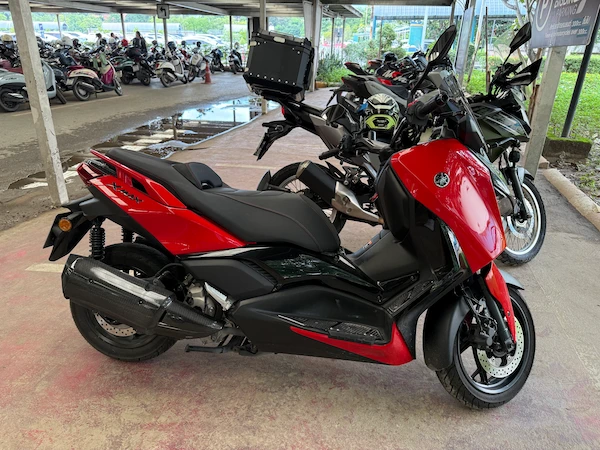
Chiang Mai is not a walkable city outside the Old City, and this comes as a genuine surprise to nomads who arrive expecting something like Bali or a compact European city. Distances between neighbourhoods, coworking spaces, gyms, and night markets are manageable but not walkable, and while Grab works reliably for most journeys, relying on it exclusively adds up in both cost and inconvenience.
The default solution is a scooter rental, and most nomads eventually get one. The rental is cheap: 200 baht per day or 2,500 to 3,500 baht per month for a standard automatic. What many don’t sort out before getting on is the legal and insurance side. Thai law requires an international driver’s licence or a Thai driving licence to ride legally. Police run checkpoint stops around the city, particularly near the Old City and Nimman, and foreign riders without a licence face on-the-spot fines.
Beyond the fine, the more serious issue is insurance: most travel insurance policies explicitly exclude motorbike accidents if the rider didn’t hold a valid licence for that vehicle category. A hospital visit in Thailand after a bike accident can cost tens of thousands of baht, and if your insurance won’t pay, that bill is yours.

The damage scam is a related risk. Some rental shops photograph bikes selectively before handover, then claim pre-existing damage on return and demand repair fees. Documented cases of shops keeping security deposits and demanding additional payment are common across Chiang Mai’s rental market.
What to Do Instead
Get your international driver’s licence sorted before you leave home. When renting, photograph and video every inch of the bike before you leave the shop, including the odometer, and send the footage to yourself immediately so it’s timestamped.
Rent from shops recommended in the Chiang Mai Digital Nomads Facebook group or with strong Google Maps reviews. Never leave your passport as a deposit — offer cash instead. If you’re not comfortable on a scooter, Grab is good enough for most of city life.
For everything you need to know before you ride, the Thailand scooter rental guide covers licences, insurance, checkpoints, and how to spot a dodgy rental shop.
The City That Rewards the Ones Who Stay
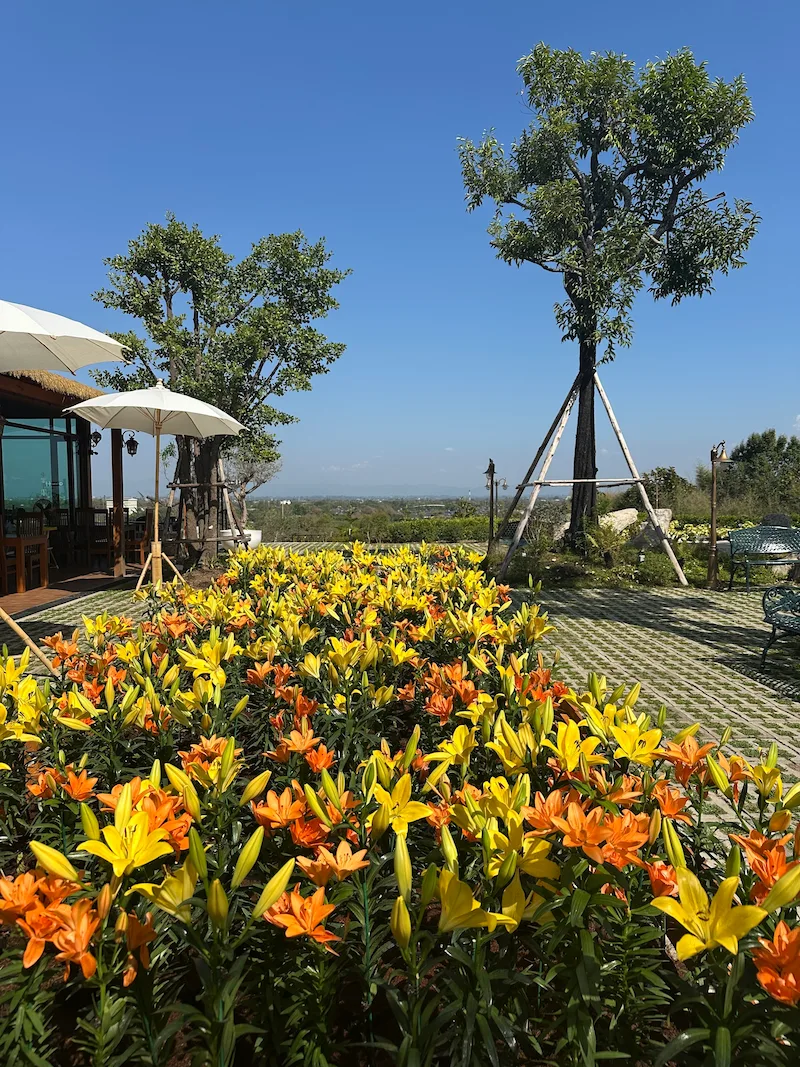
The pattern behind most of these mistakes is the same: nomads arrive in Chiang Mai with a tourist’s planning horizon and then discover the city operates on a longer one. The visa that seemed fine for a month creates problems at three. The neighbourhood that looked perfect for a week feels wrong for six. The burning season that sounded manageable genuinely isn’t, until you’ve built a plan around it.
None of this is reason to hesitate. Chiang Mai is still, six years in, one of the most liveable cities I’ve found anywhere, and I’ve looked. The food alone is enough reason to stay. The cost of living, the pace, the mountains, the fact that you can build a full and interesting life here for a fraction of what it would cost almost anywhere in the West: all of it is real.
The ones who stay aren’t the ones who avoided every mistake. They’re the ones who made them fast, adjusted, and then settled in properly.
That’s what this article is for: so you can skip the slow version and get to the part where Chiang Mai starts to feel like home.