



Where you stay in Chiang Mai determines exactly who you’ll meet.
Pick one street, and you’re surrounded by crypto-founders and networking events; pick another, and you’re sharing coffee with slow-traveling artists and yogis. But with the city expanding and the 2026 nomad scene more diverse than ever, the ‘best’ area is no longer a one-size-fits-all answer.
From the historic charm of the Old City to the rising ‘cool’ of Chang Phueak, we’re cutting through the noise.
Having called this city home through its many seasons, I’ve filtered the noise down to the only five neighborhoods worth your time. Let’s find the perfect base for your 2026 Thailand itinerary.
The 5 Best Neighborhoods for Digital Nomads in Chiang Mai
Let’s explore the top contenders, detailing what each offers and what you should consider before committing.
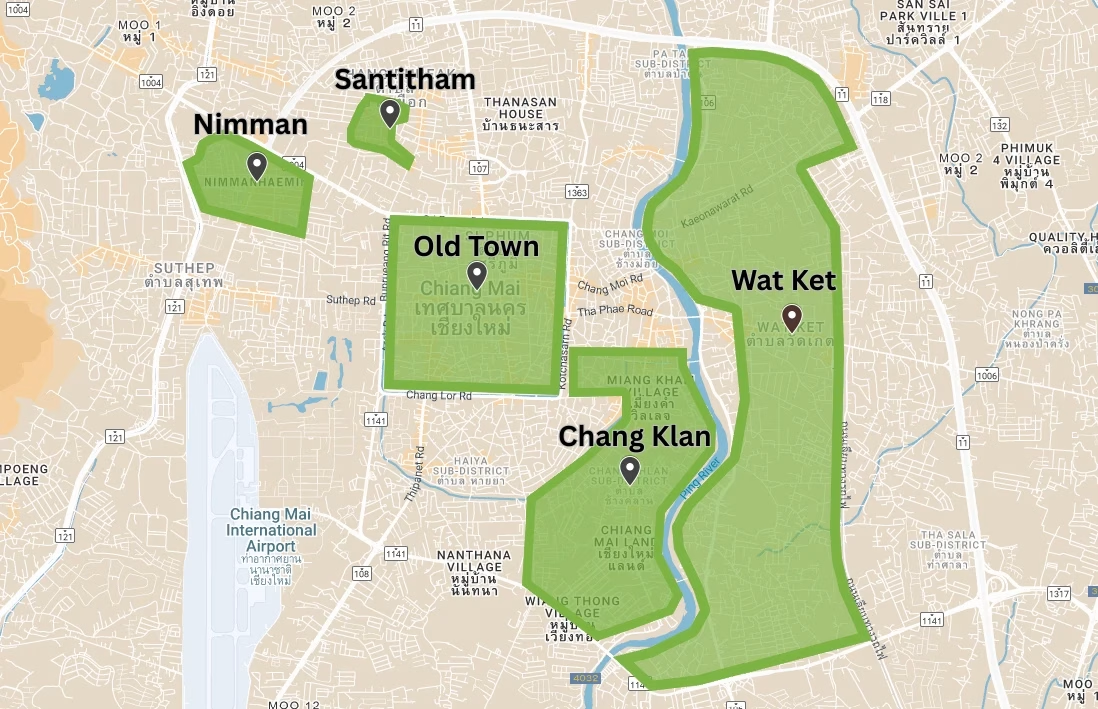
1. Nimman (Nimmanhaemin Road Area): The Modern Hub
Nimman, or Nimmanhaemin as it’s formally known, is undeniably Chiang Mai’s most recognizable digital nomad hotspot. Located just west of the Old City, it’s a modern, upscale area teeming with trendy cafes, boutique shops, art galleries, and an abundance of coworking spaces.
If your ideal lifestyle involves walking to a different specialty coffee shop every day, networking with fellow entrepreneurs, and having access to international dining options, Nimman is your go-to. It feels more cosmopolitan than other parts of Chiang Mai, often referred to as the “Beverly Hills” of the North.
Pros:
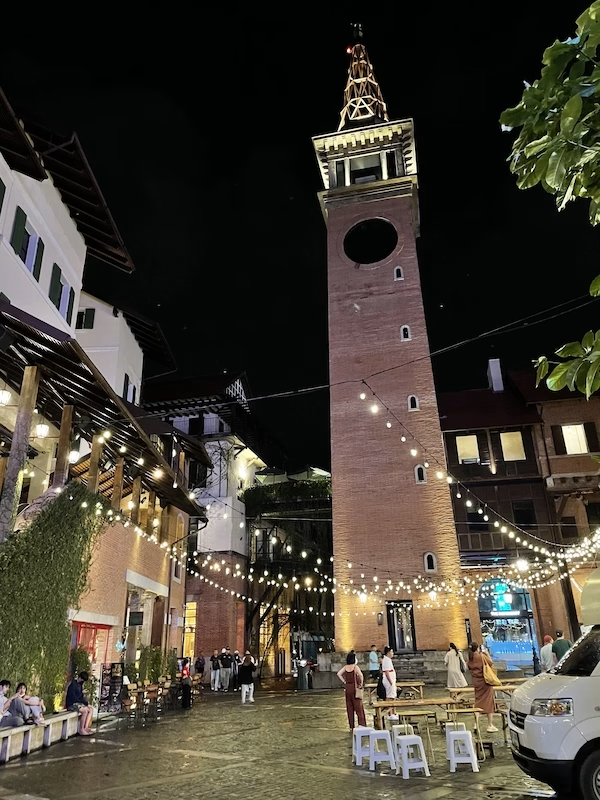
- Connectivity & Coworking: Nimman boasts the highest concentration of high-speed internet cafes and dedicated coworking spaces like Camp at Maya Mall or The Brick. It’s a true hub for collaboration and productivity.
- Amenities: Everything you could possibly need is within walking distance – modern malls (Maya and One Nimman), gyms, health clinics, and a diverse range of international restaurants alongside local eateries.
- Community: This is where the majority of Chiang Mai’s digital nomad community congregates. Finding meetups, workshops, and social events is incredibly easy, fostering a strong sense of belonging.
Cons:
- Cost: Nimman is the most expensive neighborhood in Chiang Mai. Monthly condo rentals typically range from 10,000 to 25,000 THB for a studio or one-bedroom unit, depending on the building’s age and amenities. This is significantly higher than other areas.
- Noise & Crowds: Its popularity comes with a downside. Traffic can be heavy, especially during peak hours, and the streets are often bustling well into the night, making it less ideal for those seeking quiet solitude.
- Authenticity: While convenient, Nimman can sometimes feel less “Thai” and more like an international bubble, which might not be what you’re looking for if cultural immersion is a top priority.
2. Santitham: The Balanced Blend
Nestled just north of Nimman and west of the Old City, Santitham offers a fantastic compromise for those who want proximity to Nimman’s amenities without its accompanying price tag and constant buzz. It’s a residential area that has seen a gradual influx of cafes, guesthouses, and local businesses, making it a comfortable blend of local Thai life and expat convenience.
Pros:
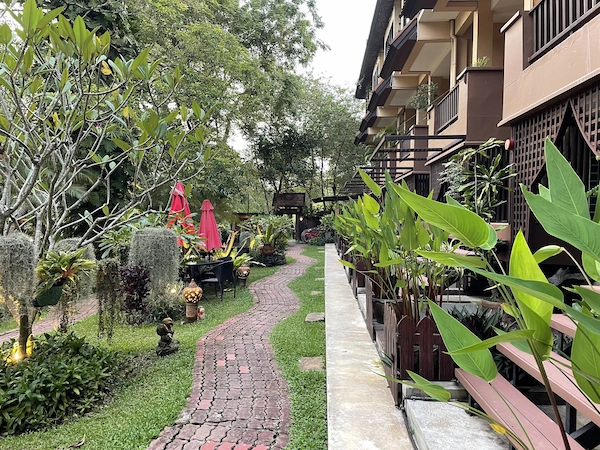
- Affordability: Rentals in Santitham are noticeably cheaper than Nimman, typically ranging from 8,000 to 18,000 THB per month for a well-maintained condo. This makes your monthly costs in 2026 more manageable.
- Local Vibe with Access: You’ll find more authentic local restaurants, street food stalls, and markets here, offering a glimpse into everyday Thai life. Yet, Nimman is just a 5-10 minute scooter ride away, granting easy access to its modern conveniences.
- Quieter than Nimman: While still a city area, Santitham generally offers a more tranquil environment, especially on its side streets.
Cons:
- Less Direct Access to Coworking: While cafes abound, dedicated coworking spaces are fewer directly within Santitham, often requiring a short commute to Nimman or other areas.
- Limited Nightlife: If you’re looking for vibrant nightlife, you’ll need to venture out to Nimman or the Old City. Santitham is more about quiet evenings.
3. Old City (Tha Pae Gate / Old City Square): The Historic Heartbeat
The Old City, encircled by a moat and ancient walls, is Chiang Mai’s historical and cultural epicenter. Living within the “square” means you’re surrounded by ancient temples, traditional markets, and a constant hum of cultural activity. This area is perfect for those who prioritize immersion in Thai culture, enjoy walking, and appreciate being at the heart of the city’s heritage.
Pros:
- Cultural Immersion: Temples on every corner, vibrant street markets (including the famous Sunday Walking Street), and traditional Thai architecture define this area. It’s an authentic experience right outside your door.
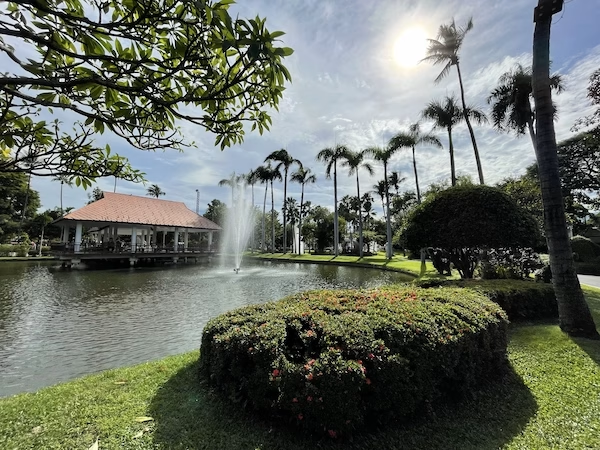
A small lake inside a park in Old City Square - Walkability: Many attractions, restaurants, and massage shops are easily accessible on foot, reducing the need for transportation.
- Affordable Food: The Old City is famous for its abundant and incredibly affordable street food options.
Cons:
- Tourist Central: As the main tourist attraction, the Old City can get incredibly crowded and noisy, especially during festival seasons or market nights. Traffic within the moat can also be a challenge.
- Limited Modern Amenities: While there are cafes, true coworking spaces are less common inside the moat compared to Nimman. Condos can also be older, and some may lack modern amenities.
- Traffic & Parking: Navigating the narrow streets, especially during peak hours, can be a headache. Parking is also a significant challenge if you have a vehicle.
- Rental Costs: Expect to pay anywhere from 7,000 to 15,000 THB for an older apartment or guesthouse room. Modern condos are scarce and can be pricier.
4. Chang Klan: The River’s Edge & Night Bazaar Buzz (My Home)
The Chang Klan area, particularly around the famous Night Bazaar, offers a distinct flavor of Chiang Mai. Located east of the Old City and stretching towards the Ping River, it’s a bustling commercial zone that transforms into a lively night market district after sunset. As someone who calls Chang Klan home, I can tell you it’s a fascinating blend of local life, tourism, and unexpected pockets of tranquility.
Pros:
- Vibrant Atmosphere: The Night Bazaar offers endless entertainment, shopping, and diverse food options nightly. It’s never dull.
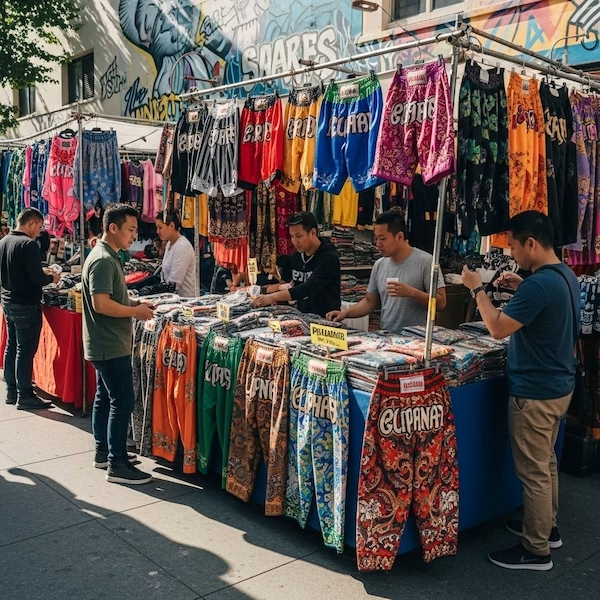
Thai vendor selling muay thai and elephant shorts in Chiang Mai - Accessibility: Good connectivity to the Old City and even Nimman (a 10-15 minute ride). It’s also closer to the train station and airport.
- Affordable Living: While touristy spots exist, you can find surprisingly affordable condos and apartments ranging from 7,000 to 15,000 THB, especially a few streets away from the main bazaar strip. You’ll also find a good mix of local markets and more upscale restaurants.
- Riverside Charm: Proximity to the Ping River means charming riverside cafes and restaurants, offering a more serene escape from the bazaar’s energy.
Cons:
- Traffic Congestion: The main Chang Klan Road can get very congested, particularly in the evenings when the Night Bazaar is in full swing.
- Noise: Depending on your exact location, the nightly buzz of the bazaar can be a significant source of noise, especially for those sensitive to sound.
- Flooding Risk: Certain low-lying areas closer to the Ping River can be prone to localized flooding during particularly heavy monsoon rains. While typically receding quickly, it’s something to be aware of if you choose a ground-floor unit or an area right on the river.
5. Wat Ket: The Bohemian Riverside Escape
Across the Ping River from the Old City and Chang Klan lies the charming and often overlooked neighborhood of Wat Ket. This area exudes a bohemian, village-like atmosphere with its narrow lanes, traditional wooden houses, art galleries, and quaint riverside cafes. It’s a stark contrast to Nimman’s modernity or the Old City’s tourist bustle, appealing to those seeking a quieter, more local, and artistic environment.
Pros:
- Quiet & Local: Wat Ket offers a genuine sense of local community. The pace is slower, and you’ll find yourself amidst more Thai residents and long-term expats than short-term tourists.
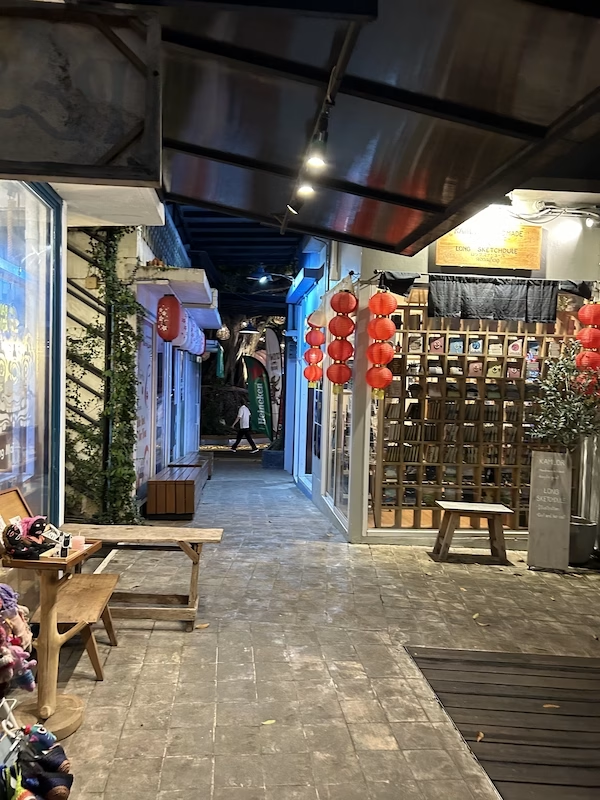
Artsy little corner in Chiang Mai - Artistic & Charming: Abundant art spaces, unique cafes, and boutique guesthouses create a distinctly charming and creative ambiance. The riverside promenade is beautiful for strolls.
- Value for Money: Rentals here offer excellent value, with older houses or condos typically costing between 6,000 and 12,000 THB per month, often with more space than you’d find closer to the city center.
Cons:
- Less Western Amenities: While you’ll find local shops and eateries, Western supermarkets or large international chains are scarce.
- Reliance on Transport: While charming, getting to the Old City, Nimman, or major shopping centers requires crossing the river, which often means having your own renting a scooter or relying on Grab/songthaews. This can feel isolating for those who prefer to walk everywhere.
- Limited Coworking: Dedicated coworking spaces are virtually non-existent here, though some cafes offer good working environments.
Navigating the Friction: Practical Tips for Long-Term Success
Let’s look past the glossy travel brochures. To truly succeed as a digital nomad in Chiang Mai, you have to be smarter than the average traveler.
1. Master the Paperwork
Thailand’s visa rules have evolved significantly. With the introduction of the DTV, staying long-term is easier than ever, but the “fine print” still matters. Treat your visa status with the same respect you treat your taxes—get it right the first time to avoid stress at immigration.
2. The Smoke Season Strategy
You will hear locals and expats talk about “Burning Season” (Feb–April). This isn’t just “a bit of haze”—it’s a period where air quality can impact your health and focus. If your lungs are sensitive, plan your “away month” in advance. If you’re staying, invest in a high-quality N95 mask and a serious air purifier.
3. Technical Redundancy
Chiang Mai is a modern tech hub, but it’s still in the tropics. Heavy rains can lead to short power outages. To stay “always-on” for your clients, keep a fully charged power bank and a dedicated 5G hotspot ready to go.
4. Protecting Your Mental Battery
Between the night markets, weekend trips, and endless networking, “nomad burnout” is a real risk. The most successful remote workers in Chiang Mai are those who set hard boundaries. Learn to say “no” to the third social event of the week so you can say “yes” to your long-term goals.
Safety here is excellent, and the lifestyle is unparalleled—provided you approach the city with your eyes wide open.
Beyond the Neighborhood: What Else Matters
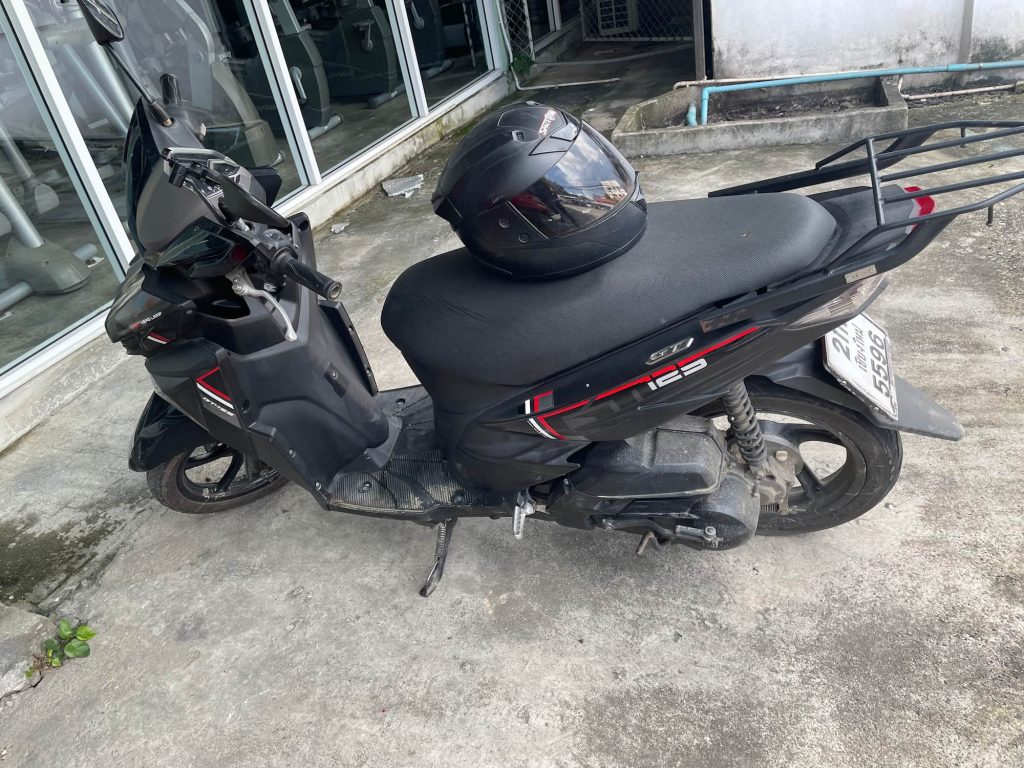
Regardless of which of best Asian cities for digital nomads you choose, successful long-term living in Chiang Mai hinges on a few other key practicalities. Firstly, internet stability is paramount. While most cafes and condos offer Wi-Fi, having a strong mobile data plan from a local provider like AIS or TrueMove is crucial for backup and on-the-go work. Secondly, transport: while Grab (ride-hailing app) is widely used, many nomads opt for scooter rental for independence. Just ensure you have the appropriate international driving permit and insurance. Finally, consider healthcare.
While Chiang Mai has excellent international hospitals, travel insurance that covers medical emergencies is non-negotiable. Don’t forget to explore the incredible local culinary scene; you’ll find an amazing array of street food flavors that make Chiang Mai a true food paradise.
Your Base is Your Foundation
Ultimately, there is no single “best” neighborhood in Chiang Mai—only the one that aligns with your current goals. Whether you are in a “deep work” phase in the quiet Riverside or a “high-growth networking” phase in Nimman, your environment will dictate your success.
The Pro Move: Before signing a long-term lease, spend 72 hours in your top two contenders. A neighborhood can look perfect on paper but feel entirely different once you’re trying to find a quiet Zoom corner or a late-night healthy meal.
Chiang Mai remains the gold standard for remote work for a reason: it is a city that grows with you.
Choose your base, set your routine, and discover why the Rose of the North continues to be the most resilient nomad hub on the planet.