


If you ask a standard travel agent or do a quick Google search for the best time to visit Thailand, the answer is almost always the same: “Go between December and February.” On paper, this makes sense. The skies are blue, the humidity drops, and rain is statistically unlikely. It is marketed as the “Cool Season.”
But there is a catch, actually, several catches.
For the expert traveler, the modern digital nomad, or the lifestyle connoisseur looking for authentic experiences, the conventional wisdom is outdated. Following the herd to Thailand in December means battling immense crowds, paying premium prices (“Thailand High Season” rates), and experiencing a version of the country that feels more like a theme park than a living culture. Even worse, if you stay too long into the “dry season,” you run straight into the Northern Thailand burning season, an environmental hazard that travel brochures conveniently forget to mention.
So, when is the real best time to visit Thailand?
The answer lies in the misunderstood “Shoulder Season,” specifically the months of September, October, and November. Often dismissed as the rainy season, this period, now affectionately rebranded by locals and expats as the Green Season, is the true sweet spot for travel.
I live in Thailand full-time, and to be honest, I never travel domestically during the peak months. The energy is just too frantic. Instead, I save my own beach trips specifically for that September-to-November window. It’s the only time of year I can actually hear the waves instead of other tourists, and having a stretch of sand to myself is worth the occasional hour of rain.
Here is why you should rethink your travel calendar and choose the pre-season over the peak season.
⚡ Quick Summary: The “New Asia Living” Verdict
- Best Overall Balance: November (Great weather, pre-peak crowds).
- Best Value : September (Cheapest prices, lush nature, best for Koh Samui).
- Worst Time : March/April in the North (Hazardous air quality/Burning Season).
- The Secret: Trade the “perfect” blue skies of January for the privacy and luxury of the Green Season.
Is December Really the Best Time to Visit Thailand? (The High Season Myth)
To understand why the shoulder season is superior, we first have to look at the downsides of the so-called “peak season”. Many travelers assume that the best time to visit Thailand is strictly defined by lack of rain, but they forget to factor in comfort and cost.
From late December to early February, Thailand experiences a massive influx of global tourism. This is when Europe and North America freeze, sending millions of travelers seeking tropical sun.
The Cost of Sunshine
During these months, flight prices to Thailand skyrocket. Hotels that usually cost $100 a night can easily jump to $200 or more. This makes it the most expensive time to visit. You are paying a premium not for better service or luxury, but simply for the privilege of being there when everyone else is.
The Crowd Factor
The famous beaches of Krabi or Phuket become wall-to-wall umbrellas. Iconic temples like Wat Phra Kaew in Bangkok are so packed that you can barely move. If your idea of travelling involves tranquility, mindfulness, and space to breathe, the peak season will disappoint you.
The Burning Season: A Northern Nightmare (January– April)
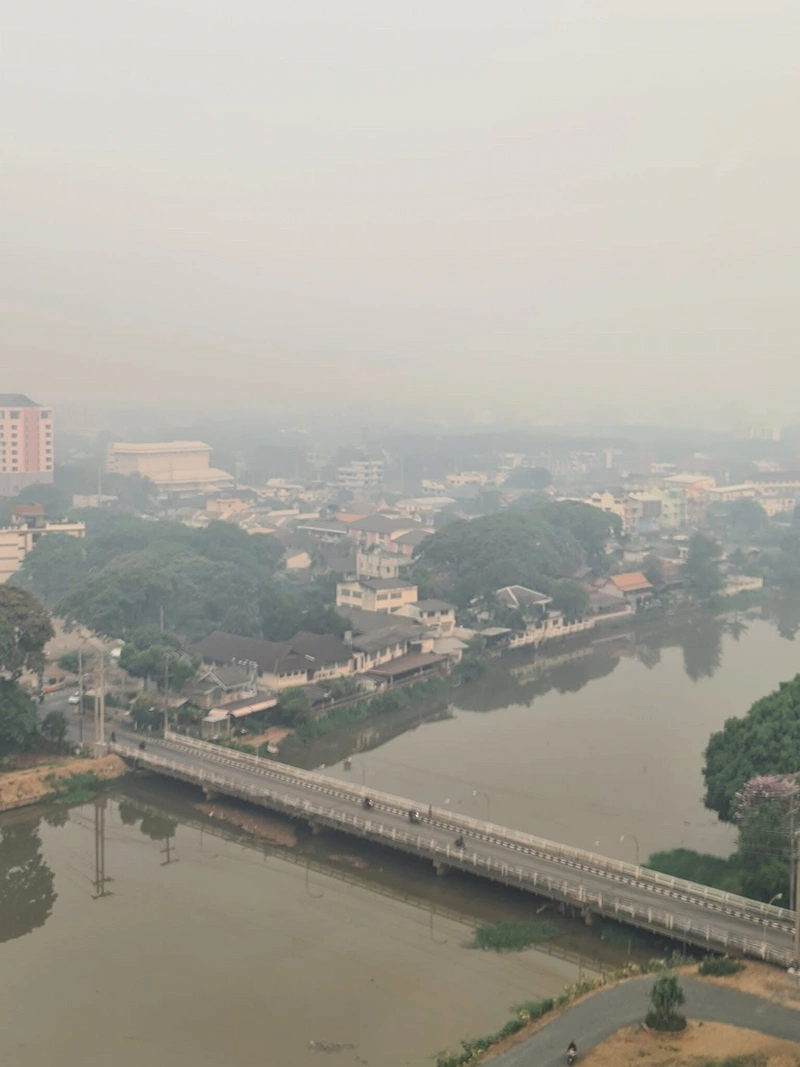
There is a critical window that overlaps with the traditional high season which every traveler must be aware of: the Burning Season.
If you are planning to visit the cultural heart of the north, Chiang Mai, Chiang Rai’s temples, or Pai, timing is a matter of health, not just preference. Starting often as early as late January and peaking in March and April, farmers in the region (and neighboring countries) burn agricultural waste to prepare fields for the next crop.
Why You Must Avoid the North in Spring
During the Chiang Mai burning season, the air quality hits hazardous levels. The PM2.5 air quality index often becomes the worst in the world, surpassing polluted megacities globally.
- No Views: The famous mountain views of Doi Suthep are swallowed by a thick, grey smog.
- Health Risks: The haze season causes respiratory issues, stinging eyes, and makes outdoor activities dangerous.
- Vibe Killer: Many digital nomads in Chiang Mai actually leave the north during these months.
Chiang Mai Air Quality (Historical PM2.5)
| Month | Avg. US AQI Score | Health Status | Travel Verdict |
|---|---|---|---|
| March (High Season Tail) | 165 – 220+ | Unhealthy / Hazardous | ⛔ AVOID |
| September (Green Season) | 15 – 35 | Good (Clean Air) | ✅ Excellent |
| November (Shoulder) | 40 – 60 | Moderate | ✅ Good |
Data Source: IQAir Historical Data. Scores above 150 are considered unhealthy for all groups.
If you follow the standard advice regarding the best time to visit Thailand and arrive in Chiang Mai in March, your trip will be ruined by smoke. This is why the pre-season (September to November) is infinitely superior for a Northern adventure.
Why the “Green Season” (Sept – Nov) is the Real Winner
Now that we have established when not to go, let’s look at why September through November is the hidden gem of the Thai calendar.
Marketing creates perceptions. When people hear “Rainy Season,” they imagine monsoons like in a Hollywood movie—torrential rain 24 hours a day, floods, and misery. The reality of Thailand in September is vastly different.
1. The Landscape is Alive

After the dry heat of April and May, the rains bring the country back to life. This is why we call it the Green Season.
- Rice Terraces: In places like Pa Bong Piang or the valleys of Mae Hong Son, the rice paddies are an electric, vibrant green that looks Photoshopped.
- Waterfalls: Waterfalls that are mere trickles in December are thundering and majestic in October.
- Jungle: The national parks, like Khao Sok, are lush, teeming with wildlife, and cool.
2. The Truth About the Rain
Does it rain? Yes. Does it rain all day? Rarely.
Typical monsoon season weather in Thailand involves a sunny or overcast morning, a build-up of clouds in the afternoon, and a heavy, refreshing downpour for 60 to 90 minutes in the late afternoon or evening.
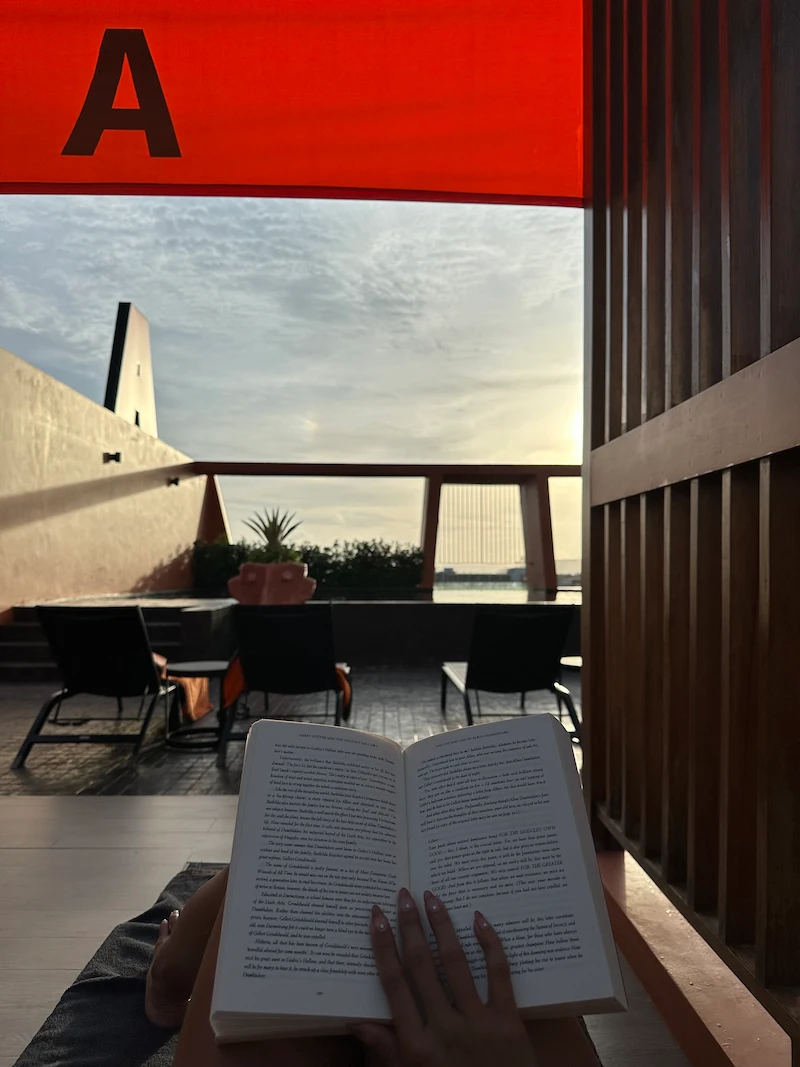
The rain cleans the air, cools down the temperature, and leaves the evenings fresh. It creates a cozy atmosphere perfect for a spa treatment, a coffee shop stop, or a nap in your villa.
3. Luxury for Less
This is the biggest secret for luxury travelers. During the low season, five-star resorts and boutique villas are desperate for occupancy. You can often book ultra-luxury accommodation for 50% off peak rates. You get the best room, the best service (staff are less stressed), and private pools that are actually private.
💰 Price Breakdown: High Season vs. Green Season
| Expense Item | Peak Season (Dec-Jan) | Green Season (Sept-Oct) | Potential Savings |
|---|---|---|---|
| Luxury Pool Villa (Nightly) | $550 – $800 | $220 – $350 | Save ~60% |
| Return Flight (EU/US) | $1,200+ (Avg) | $750 (Avg) | Save ~35% |
| Crowd Density | Very High (10/10) | Low (3/10) | High Privacy |
*Figures based on average 5-star hotel rates in Phuket/Samui via Agoda historical data and flight trends via Skyscanner.
Month-by-Month Breakdown: The Pre-Season Strategy
To optimize your trip and find the best time to visit Thailand for your specific needs, you need to know exactly what happens in each of these three months.
September: The Deep Green
September is statistically the wettest month in many parts of the country, but don’t let that scare you. This is the peak of the agricultural beauty.
- Where to go: The Gulf of Thailand (Koh Samui, Koh Phangan, Koh Tao) has its own microclimate. While the Andaman coast (Phuket) is rainy, Samui often remains sunny and dry in September.
- Best for: Digital nomads, photographers chasing the “greenest” shots, and budget travelers.
October: The Transition
Thailand in October is a month of change. The rains begin to taper off, especially in the North. The temperatures are moderate—not too hot, not yet “cool.”
- Where to go: Bangkok is fascinating (though can be wet, which is a great excuse to tour luxury shopping malls), and the North begins to dry out. It’s a gamble with weather, but the lack of crowds is the payoff.
November: The Golden Month
If there is a single candidate for the absolute best time to visit Thailand, a strong argument can be made for November.
- The Weather Sweet Spot: The rain has mostly stopped (except on the Gulf coast, where the monsoon shifts), but the landscape is still incredibly green from the previous months. The heat hasn’t kicked in yet.
- Festivals: November usually hosts Loy Krathong (the Festival of Lights) and Yi Peng (the Lantern Festival in Chiang Mai). Seeing thousands of lanterns floating into the sky is a bucket-list experience.
- Air Quality: The air is crisp and clean—perfect for hiking—months before the burning season starts.
Regional Guide: Where to Go During the Green Season
Thailand is geographically diverse, and the weather patterns vary wildly between the coasts. To hack the Green Season, you just need to choose the right side of the peninsula.
The Andaman Coast (Phuket, Krabi, Phi Phi)
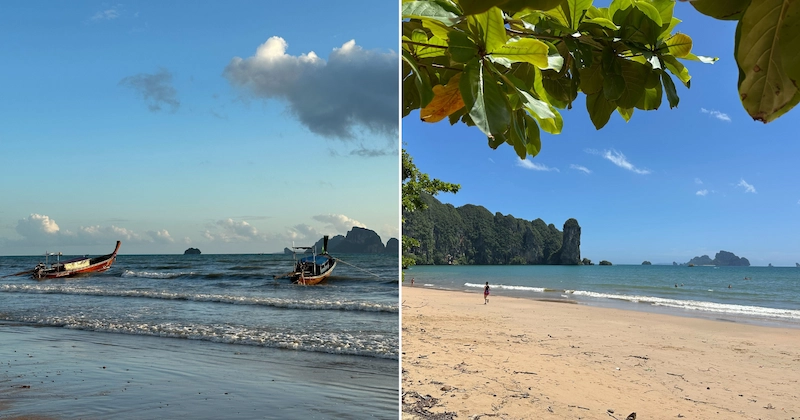
- Status: September/October are rainy with rough seas. Ferries may be cancelled.
- Strategy: Go here in late November. You will be the first to arrive as the skies clear, enjoying pristine beaches before the masses land in December.
The Gulf of Thailand (Samui, Phangan, Tao)
- Status: This region plays by its own rules.
- Strategy: September is fantastic here. It is often sunny while the rest of the country rains. However, avoid this region in late October/November, as their monsoon season kicks in just as the rest of Thailand dries up.
Northern Thailand (Chiang Mai, Chiang Rai)
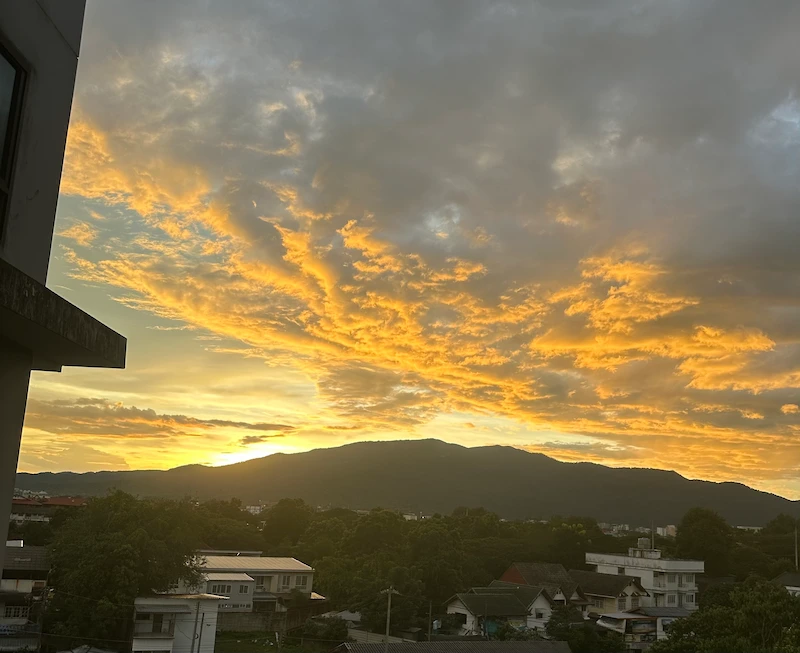
- Status: Green, lush, and cooling down.
- Strategy: Late October and November are magical. The rice harvest begins, the mountains are visible (no smog!), and the temperature is perfect for trekking or exploring by scooter.
📍 Regional Guide: The “Smart Timing” Matrix
| Region | SEPTEMBER | NOVEMBER | MARCH |
|---|---|---|---|
| Bangkok & Central | Humid / Wet | Cool & Dry | Very Hot |
| Chiang Mai (North) | Lush / Clean Air | Perfect Weather | SMOG (Avoid) |
| Koh Samui (Gulf) | ☀️ Sunny & Calm | Monsoon Rain | Dry / Good |
| Phuket (Andaman) | 🌧️ Very Rainy | Season Starts | Perfect (Crowded) |
Based on 30-year climatological averages from the Thai Meteorological Department.
Conclusion: Redefining the Best Time to Visit Thailand
The old rule of “December to February” was written for a different era of travel—one where tourists simply wanted a tan and a buffet.
By choosing the Green Season (September to November), you are making a strategic trade-off. You trade the guarantee of 100% blue skies for:
- Cleaner Air (Avoiding the hazardous Burning Season).
- Lush Nature (Seeing the country in its true colors).
- No Crowds (Authentic interactions with locals).
- Better Value (Luxury lifestyle for a fraction of the cost).
So, when planning your next trip, ignore the outdated guidebooks. The best time to visit Thailand isn’t when the world descends upon it.
Trusted Resources for Planning
We use the following official data sources to plan safe and smart trips to Thailand:
- Check Real-Time Air Quality:
IQAir Thailand Map (Crucial for Jan-April travel) - Official Weather Warnings:
Thai Meteorological Department (TMD) - Tourism Statistics & Events:
Tourism Authority of Thailand (TAT News)
Frequently Asked Questions about the Best Time to Visit Thailand
What is the absolute cheapest month to fly to Thailand?
September is typically the cheapest month to fly to Thailand. Because it falls within the peak of the monsoon season, airlines and luxury resorts drop their prices significantly to attract travelers. It is the best time for budget-conscious travelers who want 5-star experiences at 3-star prices.
When is the worst time to visit Northern Thailand?
While Thailand is a year-round destination, the worst time to visit Northern Thailand (Chiang Mai, Chiang Rai) is from February to April. This is the “Burning Season,” where agricultural burning causes dangerous levels of PM2.5 air pollution and smog, obscuring views and posing health risks.
Is the rainy season in Thailand bad for tourists?
Not necessarily. Locals call it the “Green Season” (July to October). Unlike cold European rains, Thai rain is warm and usually comes in short, intense bursts in the late afternoon. The benefits include cooler air, lush green landscapes, fewer tourists, and lower costs. It is arguably the best time to visit Thailand for nature lovers who dislike crowds.
Which is better: September or December?
It depends on your priorities. December offers guaranteed blue skies and no rain, but comes with the highest prices and biggest crowds. September offers better value for money, privacy, and a more authentic, greener landscape, despite the higher chance of rain showers.
When is the best time to visit Phuket and the Andaman Coast?
For beach perfection, the classic season is November to April. However, if you want to avoid the peak crowds while still enjoying decent weather, aim for late November or early May. Avoid September and October if you plan on taking many boat trips, as the sea can be rough.