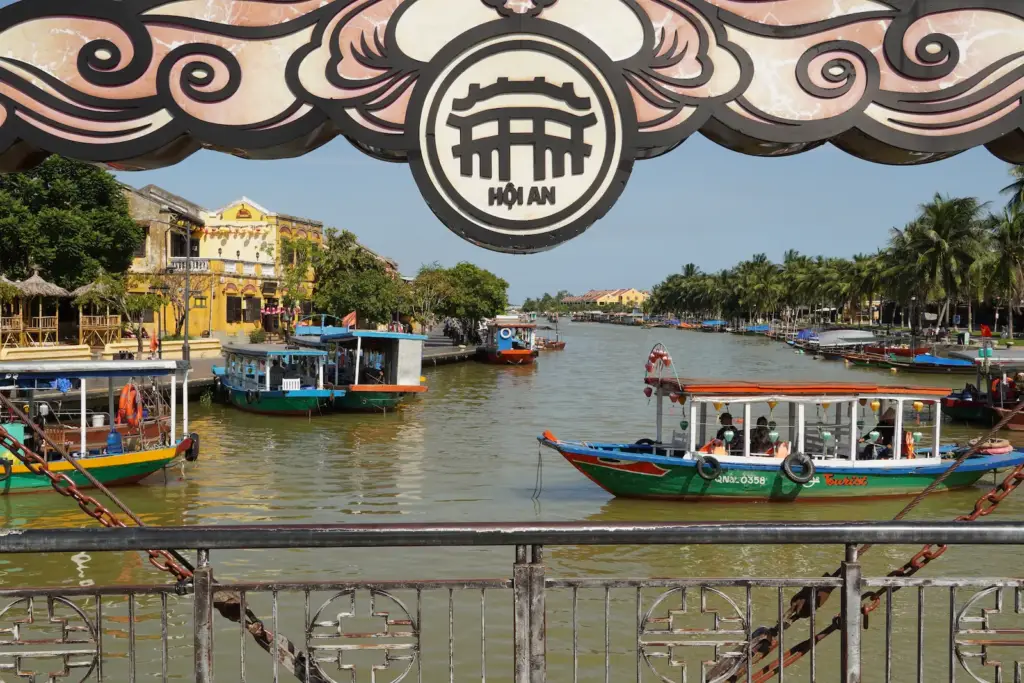


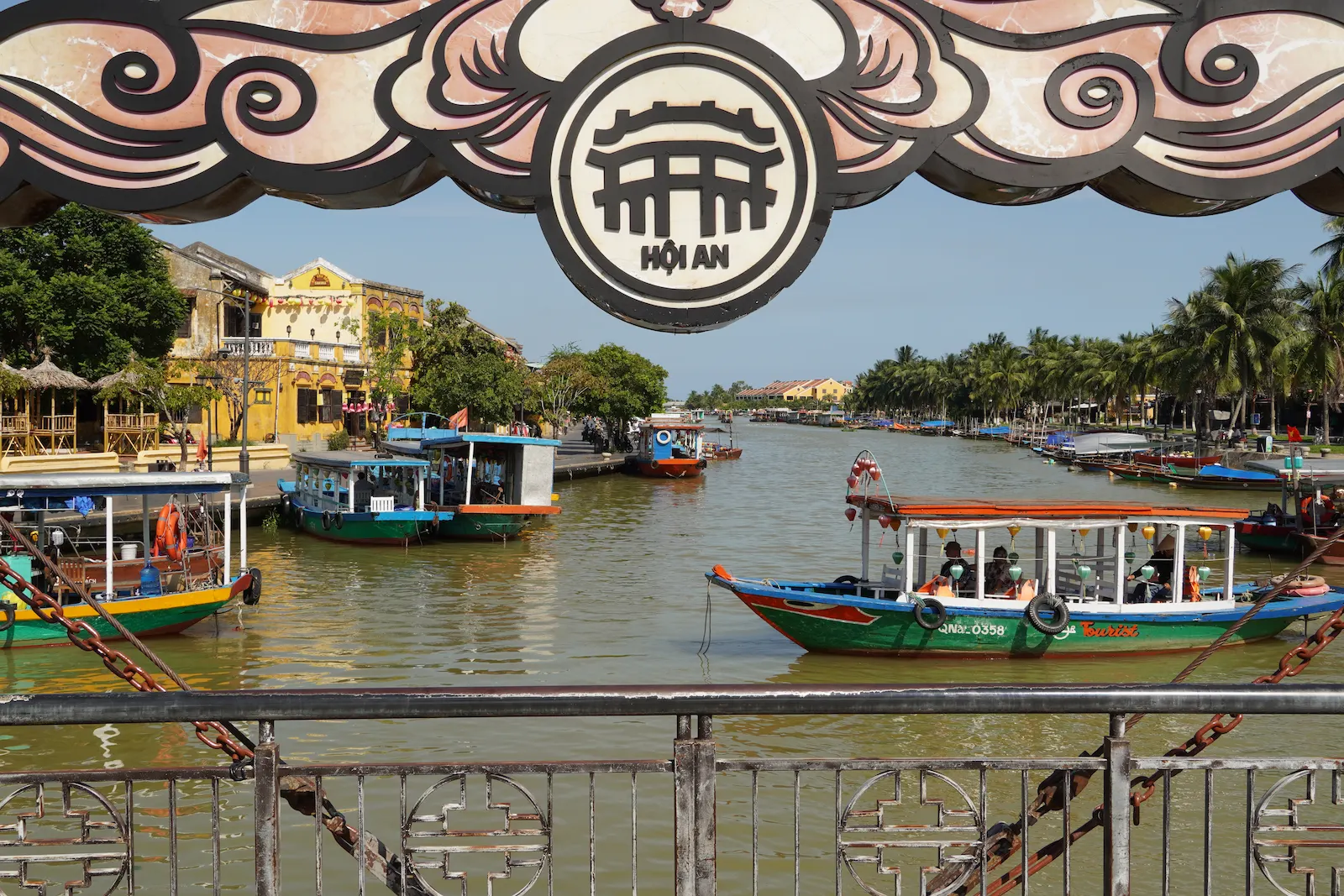
Our hotel was right on the Da Nang beachfront, and Hoi An seemed like the obvious choice for a day trip: a UNESCO World Heritage Site since 1999, less than an hour away, and famous for its yellow merchant houses, silk lanterns and riverside charm.
With that reputation, I’ll admit my expectations were high. I was hoping for culture in its purest form: an ancient town that still feels like a living piece of history. What we found felt less like a heritage site and more like a theme park built on top of one.
I had visited Hoi An once before the pandemic, which made the change even harder to ignore. In this review, I’ll walk you through our half-day trip from Da Nang, show you what has changed, and answer the question honestly: is Hoi An worth visiting, or has it become a tourist trap?
Getting There: Our Day Trip from Da Nang to Hoi An
You don’t need to book a tour for this trip. We ordered a Grab from our hotel on the beachfront, and the ride took about 45 minutes and cost around 370,000 VND (roughly US$14) each way. The trip was smooth, and our driver dropped us off right at the beginning of the walking street.
We went on a Monday around noon. The weather was great and the streets were surprisingly calm: no elbow-to-elbow crowds, no queues. On paper, these were perfect conditions to fall in love with Hoi An.
First Impressions: Welcome to Disneyland?
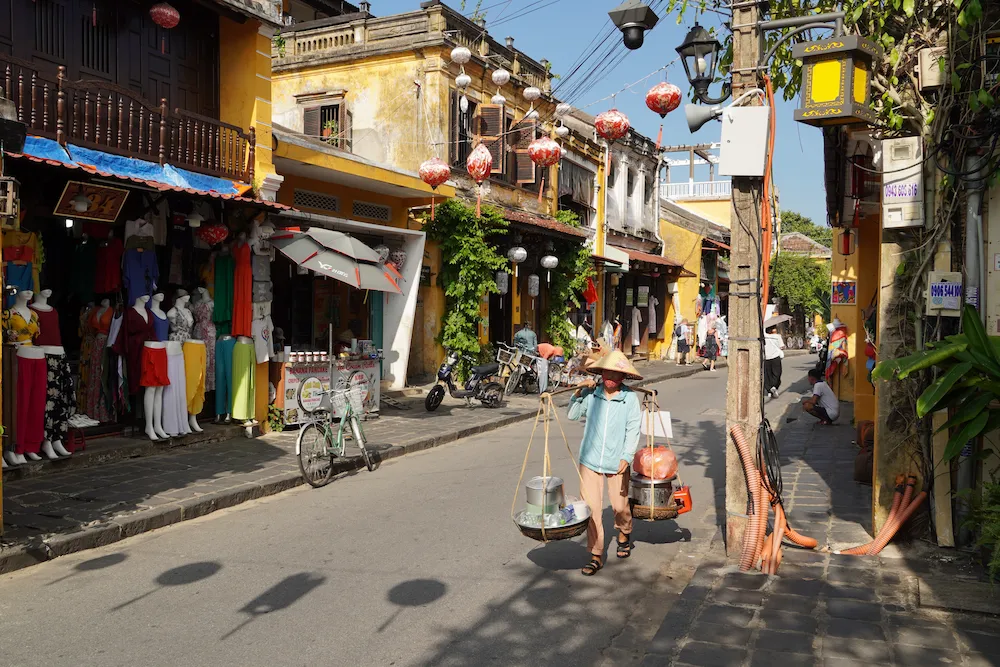
It didn’t take us long to realize that something felt off. The main street looked less like a historic town and more like a theme park version of one: lanterns strung across every street, perfectly arranged photo spots, and a shop in practically every building.
Then we noticed the tickets. There is an entrance fee for almost everything, even for a small temple. Prices for food, drinks and souvenirs are high, which is to be expected at a major tourist destination. Combined with the fees, though, it creates an atmosphere that feels more like Disneyland than a UNESCO World Heritage Site.
What struck me most was how much has changed since my last visit before the pandemic. There are far more shops now. Many of the old houses have been converted into stores, and the same few categories repeat on every street: leather goods, shoes, clothing and souvenirs. Walk down one street and you have essentially seen them all.
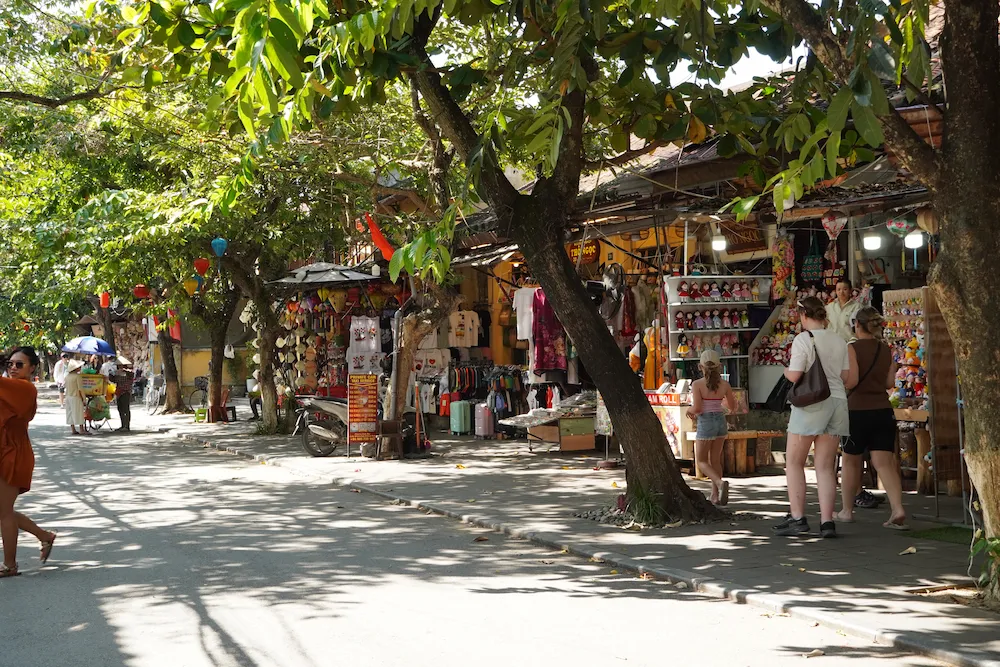 | 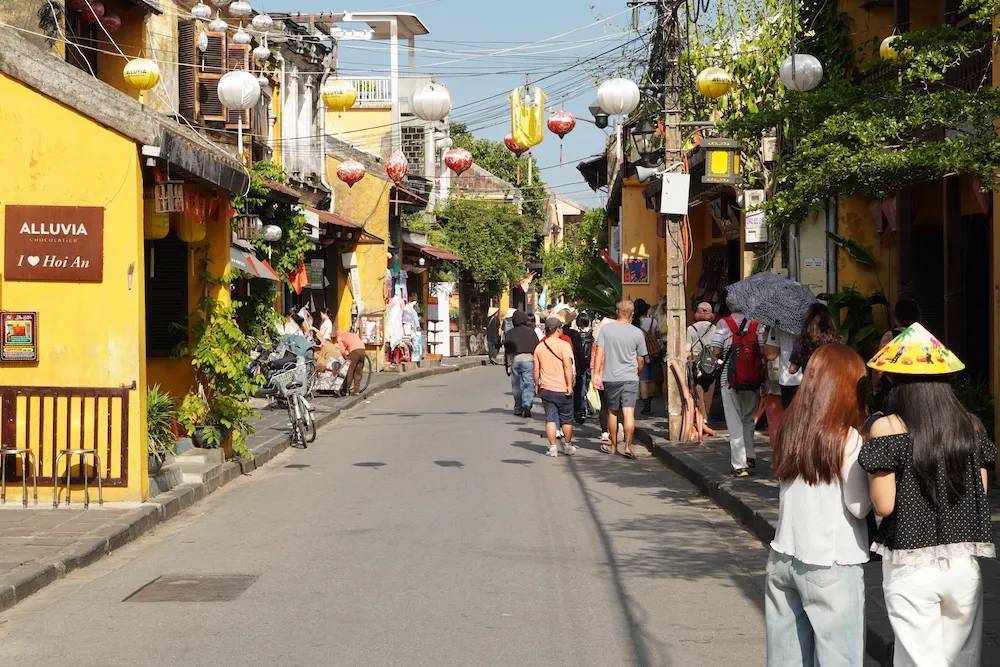 |
| Colorful and photogenic, but lined with shops from one end to the other. | |
It reminded me of Jiufen Old Street in Taiwan, another historic town that has been turned into a shopping and photo destination. Honestly, I found Jiufen more beautiful.
To be fair, Hoi An is still incredibly colorful, and if you are here for photos, you will get great ones. The tour groups moving through the streets didn’t bother us either; that’s normal at any famous sight. But the atmosphere we had hoped for was simply missing. The streets around the ancient core felt artificial, built for visitors rather than grown over centuries.
We stopped at a coffee shop for a break. As expected in a tourist hotspot, the prices were steep.
The River: Great Photos, Exhausting Vendors
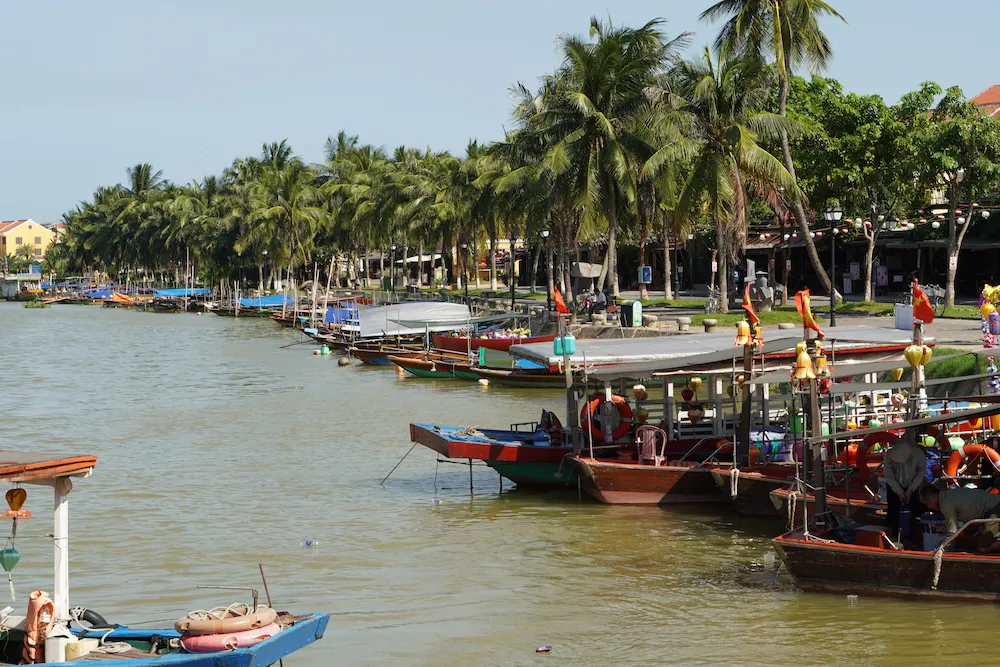
From there, we walked down to the river, one of the most photogenic spots in Hoi An: wooden boats, palm trees and yellow houses along the promenade. Unfortunately, enjoying it in peace is nearly impossible.
Every few meters, someone approached us, sometimes politely, sometimes quite aggressively, and a polite “no” was not always enough. “Hello sir, boat ride?” “Hello sir, massage?” The offers were always the same: a river boat tour, a basket boat ride through the coconut forest, a massage, or an invitation into yet another shop. Since every street sells the same things, the approaches never really stop.
Hoi An Ancient Town: Heritage Site or Open-Air Market?
Eventually, we reached the ancient town itself, and of course, the next ticket was waiting. Foreign visitors are asked to buy a ticket for 120,000 VND (about US$5), presented as a contribution to preserving the UNESCO World Heritage Site. The idea makes sense. The reality is harder to accept.
Once inside, the ancient town looked less like a cultural heritage site and more like one big marketplace. The historic architecture is still there, and some corners are genuinely beautiful, but it often disappears behind racks of clothes, shoe displays and souvenir stands.
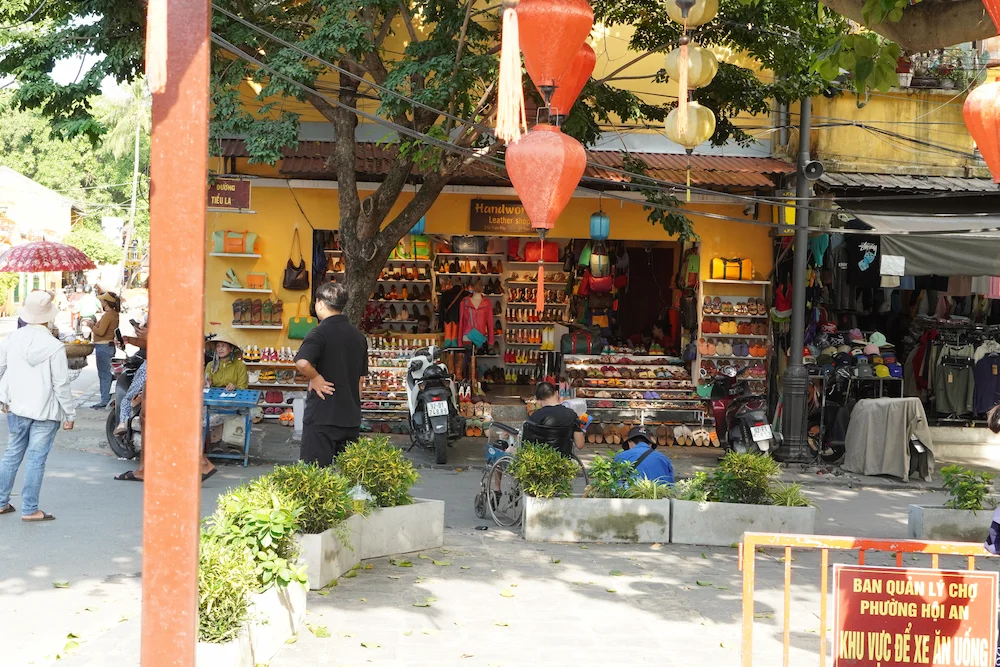 | 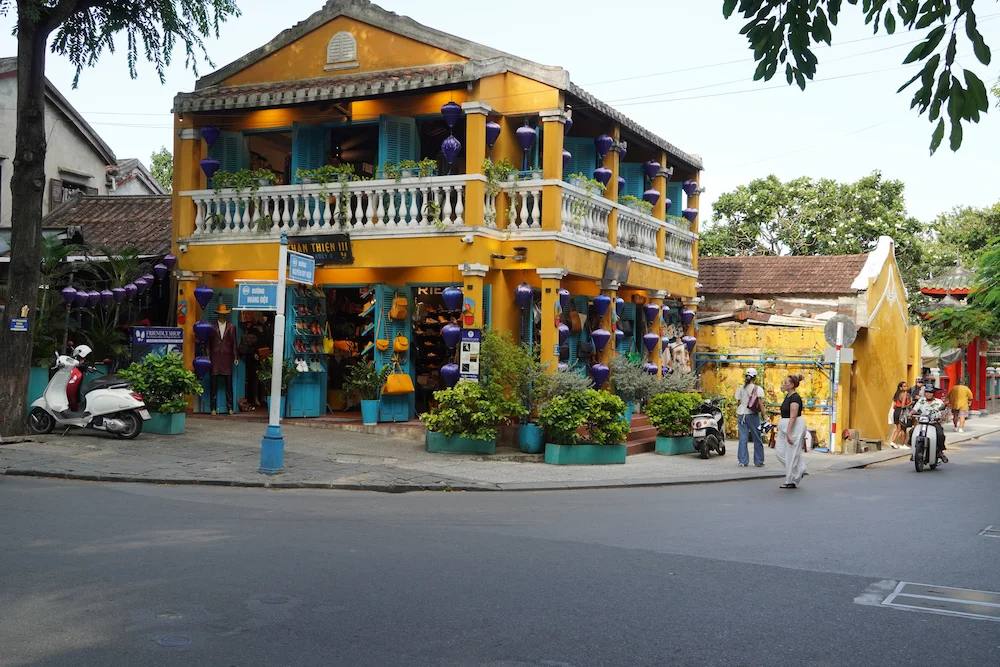 |
| The beautiful side of Hoi An still exists. You just have to look past the shop displays. | |
In fairness, we visited at midday. Hoi An is famous for its lantern-lit evenings, and we didn’t stay to see them. But the vendors, the ticket booths and the wall-to-wall shops don’t disappear after sunset, so I doubt the evening would have changed my overall impression.
The Disneyfication of Hoi An
What bothers me most is that Hoi An isn’t losing its heritage to neglect, instead it is losing it to commerce. Historic homes become shops, the streets around the ancient core feel staged, and nearly every experience comes with a price tag. You pay a fee to preserve a heritage that is being sold off, one shop at a time.
I don’t blame the shop owners. Tourism is how many families here make a living, and the pandemic years hit tourist towns like Hoi An hard. But the direction worries me, and it’s a pattern I noticed across the Da Nang area: instead of protecting what makes the region special, more and more of it is being reshaped into something that sells.
Vietnam doesn’t need to do this. Places like Dubai or the casino resorts on Macau’s Cotai Strip had to build much of their appeal from scratch. Vietnam is the opposite: breathtaking landscapes, a rich and layered history, and towns like Hoi An that were beautiful long before the first souvenir shop opened. None of it needs to be altered or staged.
If Vietnam wants tourism to pay off in the long run, it needs to learn to grow sustainably, protecting the places that draw visitors in the first place instead of squeezing them until the magic is gone. Hoi An earned its UNESCO status as an exceptionally well-preserved historic trading port. That authenticity is exactly what is at stake.
Hoi An Day Trip from Da Nang: Practical Info
If you decide to go anyway, and plenty of travelers still love Hoi An, here’s what you need to know.
| Category | Details |
|---|---|
| Getting there | Grab from Da Nang, approx. 45 minutes from the beachfront |
| Transport cost | Approx. 370,000 VND (about US$14) each way |
| Old Town ticket | 120,000 VND for foreigners (about US$5), 80,000 VND for Vietnamese visitors |
| Ticket includes | Entry to five of around 22 heritage sites, valid for up to 3 days |
| Time needed | 2 to 3 hours (we stayed 2.5 hours) |
| Crowds | Quiet on a Monday around noon |
How to Deal with the Vendors
- Keep walking. Stopping to listen signals interest and invites a longer sales pitch.
- Be friendly but firm. A clear “No, thank you” works best. A smile and “Không, cảm ơn” in Vietnamese works even better.
- Decide in advance. If you want a boat or basket boat ride, choose it before you go, and agree on the price and duration before you get in.
When to Go
- Weekdays around midday were quiet during our visit, which makes it easier to walk around and take photos.
- Late afternoon into the evening is when the lanterns light up, which is what Hoi An is best known for. Expect more people.
- Full moon nights bring the monthly lantern festival, the busiest time of the month in the old town.
Is Hoi An Worth Visiting?
After about 2.5 hours, we had seen enough and headed back to Da Nang. For us, the answer is clear: we won’t be coming back. Not because Hoi An lacks beauty, but because the pushy vendors and the sheer amount of commerce have crowded out the culture we came for.
Hoi An is worth visiting if you:
- enjoy colorful photo spots and don’t mind a polished, theme-park atmosphere
- like shopping for leather goods, clothes and souvenirs
- are staying in Da Nang anyway and have half a day to spare
You might want to skip it if you:
- are looking for authentic culture and history
- don’t enjoy being approached by vendors every few meters
- have limited time in Vietnam and want to see more of the country than its souvenir shops
If you love Disneyland, you will probably love Hoi An. If you are looking for the soul of Vietnam, I’d look elsewhere. Vietnam has so much genuine beauty to offer. I just hope Hoi An finds its way back to it before the last old house turns into a shoe store.
Frequently Asked Questions About Visiting Hoi An
How long do you need in Hoi An?
For the old town and the riverside, 2 to 3 hours are enough for a half-day trip. Plan more time if you want to stay for the lanterns in the evening.
How much does a Grab from Da Nang to Hoi An cost?
We paid around 370,000 VND each way from the Da Nang beachfront, and the ride took about 45 minutes. Prices vary with demand and time of day.
Do you need a ticket for Hoi An Ancient Town?
Foreign visitors are asked to buy a ticket for 120,000 VND (about US$5). It includes entry to five heritage sites and is valid for up to three days.
Is Hoi An a tourist trap?
In our experience, largely yes: high prices, entrance fees for most sights and pushy vendors. It is still colorful and photogenic, but the authentic atmosphere is hard to find.