

Thailand, the “Land of Smiles,” beckons travelers with its stunning landscapes, delectable cuisine, and vibrant culture. But beneath the surface of bustling markets and serene temples lies a wealth of rich traditions and customs that have shaped Thai society for centuries. Understanding these traditions not only enhances your travel experience but also fosters a deeper appreciation for the Thai people and their way of life.
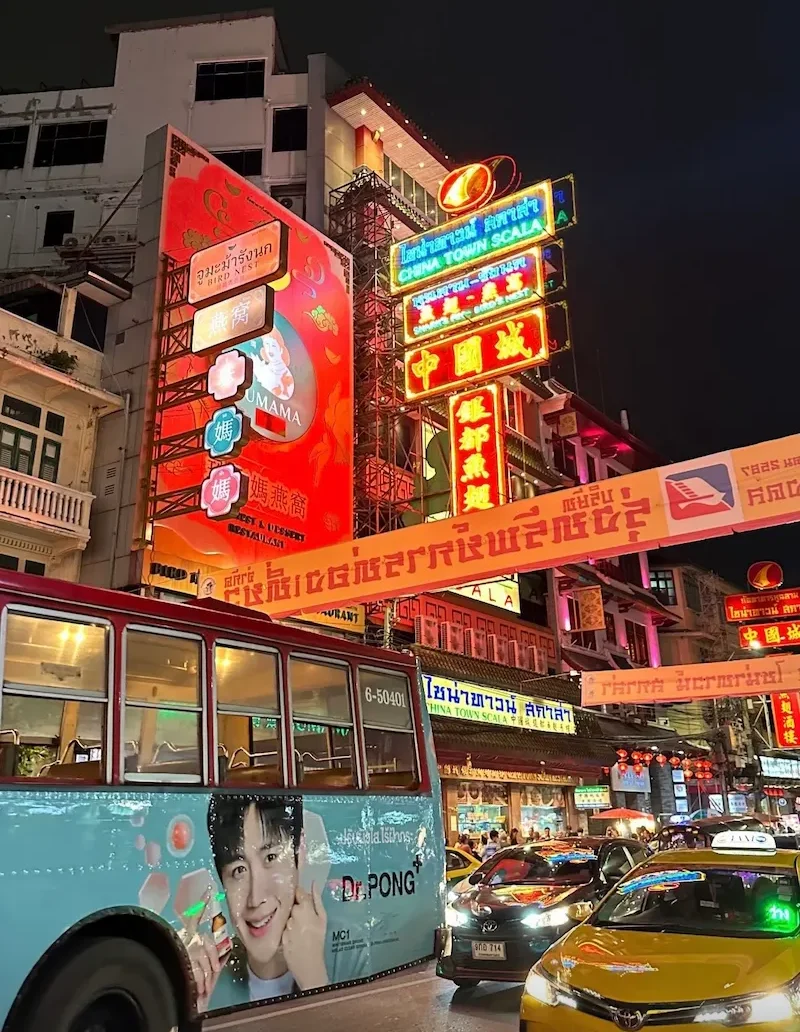
At the heart of Thai culture lies a blend of Theravada Buddhism, animistic beliefs, and Hindu influences. These elements have intertwined over centuries to create a unique set of social norms, etiquette, and celebratory practices.
Buddhism, introduced to Thailand centuries ago, plays a vital role in shaping moral values and social behavior. Concepts like karma, reincarnation, and the pursuit of enlightenment permeate daily life. Animistic beliefs, predating Buddhism, still hold sway, with spirits believed to inhabit natural elements like trees, mountains, and rivers. The influence of Hinduism, particularly in royal ceremonies and artistic expression, adds another layer of complexity to the cultural landscape.
Let’s explore some specific traditions and customs that you’re likely to encounter in Thailand:
🇹🇭 Culture Snapshot: What defines Thai Culture?
Thai culture is a unique blend of Theravada Buddhism (practiced by 95% of the population), deeply rooted hierarchy, and animistic traditions. It is governed by three core concepts:
- Sanuk: The strive to make life fun and enjoyable.
- Mai Pen Rai: A “no worries” attitude toward mishaps.
- Kreng Jai: consideration for others to avoid conflict.
1. The Wai: How to Greet Like a Local
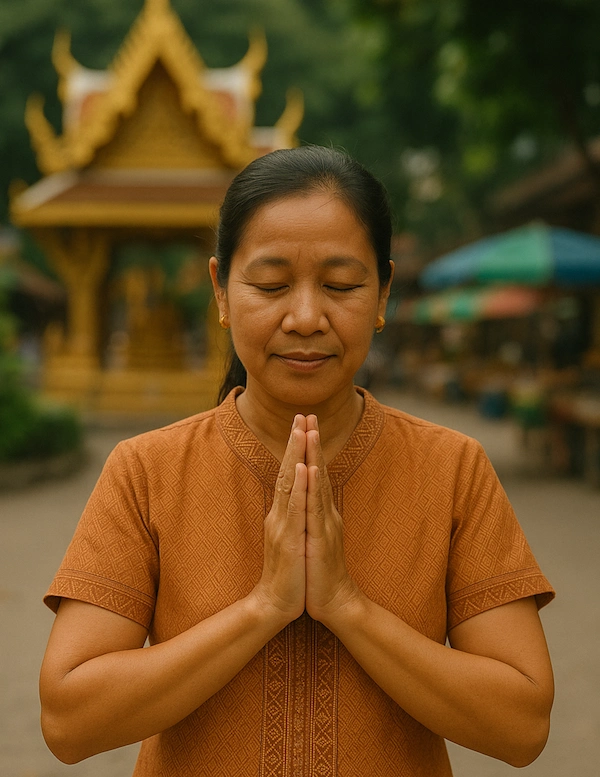
Perhaps the most ubiquitous Thai custom is the “Wai.” This slight bow, with palms pressed together in a prayer-like gesture, is a greeting, a thank you, a sign of respect, and an acknowledgment of status. The height of the hands and the depth of the bow vary depending on the social standing of the individuals involved. A younger person will Wai an elder, a student will Wai a teacher, and so on.
It’s crucial to reciprocate a Wai, although tourists are not expected to initiate one. When receiving a Wai from someone younger or of lower status, a simple nod of the head is sufficient. Misunderstanding this subtle yet important custom can easily lead to unintended offense.
2. Respect for Elders & Social Hierarchy
In Thailand, age is synonymous with wisdom and experience. Showing respect for elders is deeply ingrained in the culture. This respect manifests in various ways, from offering them seats on public transportation to speaking to them in a respectful tone.
This concept ties into the idea of maintaining “face,” a crucial element in Thai social interactions. Losing face, or causing someone else to lose face, can damage relationships and create unnecessary conflict.
3. The Importance of “Face” (Kreng Jai)
“Kreng Jai” is a complex concept that encompasses consideration, deference, and avoiding causing discomfort to others. It’s about being mindful of others’ feelings and maintaining harmony in social interactions. This often means avoiding direct confrontation, even when disagreeing. For example, a Thai person might say “yes” to a request even if they know they cannot fulfill it, to avoid causing disappointment. Understanding Kreng Jai is essential for navigating social situations with grace and sensitivity.
The concept of Kreng Jai highlights the collectivist nature of Thai society. It emphasizes the importance of group harmony and interdependence. This stands in contrast to more individualistic cultures where personal desires and opinions are often prioritized.
4. Festivals and Celebrations
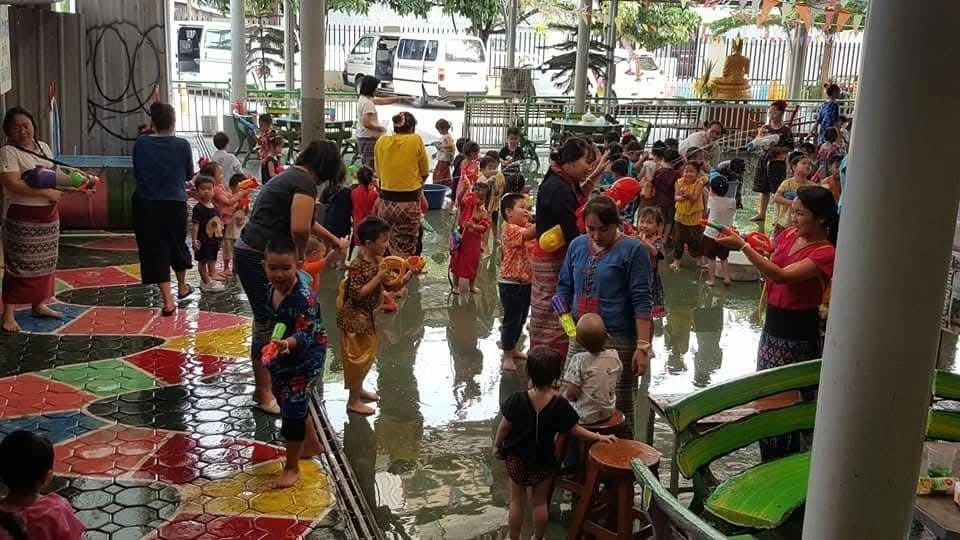
Thailand is renowned for its vibrant festivals, which offer a glimpse into the country’s rich cultural heritage.
Songkran, the Thai New Year, is perhaps the most famous. This multi-day celebration involves water fights, temple visits, and traditional performances. Water symbolizes purification and washing away bad luck, making Songkran a joyous and exhilarating experience. Another significant festival is Loy Krathong, where people release decorated floats (Krathongs) onto rivers and waterways to honor the water goddess and ask for forgiveness.
Thailand Festival Calendar (2026 Edition)
| Festival | When (2026) | Best Place to Go | What to Expect |
|---|---|---|---|
| Chinese New Year | Feb 17, 2026 | Bangkok (Chinatown), Phuket | Dragon dances, red lanterns, and firecrackers. |
| Songkran (Thai New Year) | April 13–15, 2026 | Nationwide (Bangkok, Chiang Mai) | World’s biggest water fight; symbolizes washing away bad luck. |
| Bun Bang Fai (Rocket Festival) | May 8–10, 2026 (Est.) | Yasothon (Isan Region) | Locals launch massive homemade bamboo rockets to encourage rain. |
| Phi Ta Khon (Ghost Festival) | June/July (Dates vary) | Dan Sai (Loei Province) | Colorful, long-nosed ghost masks and spirited parades. |
| Ubon Candle Festival | July 30–31, 2026 | Ubon Ratchathani | Marking the start of Buddhist Lent with massive wax carvings. |
| Vegetarian Festival | October 11–19, 2026 | Phuket | Strict vegan diet and extreme body piercing rituals. |
| Loy Krathong | Nov 24, 2026 | Nationwide (Sukhothai is best) | Releasing lotus-shaped baskets onto rivers to honor the water goddess. |
| Yi Peng (Lantern Festival) | Nov 24–25, 2026 | Chiang Mai | Thousands of paper lanterns released into the night sky. |
| Monkey Buffet Festival | Nov 29, 2026 | Lopburi | A huge feast of fruit set out specifically for the local monkeys. |
*Dates for lunar festivals are estimates and subject to official confirmation closer to the event.
These festivals are not just opportunities for revelry; they also serve to reinforce social bonds and preserve cultural traditions. Family reunions, religious ceremonies, and community events are integral parts of these celebrations. Understanding the underlying significance of these festivals allows visitors to engage respectfully and appreciate their cultural value.
5. Temple Etiquette: Dress Code & Rules
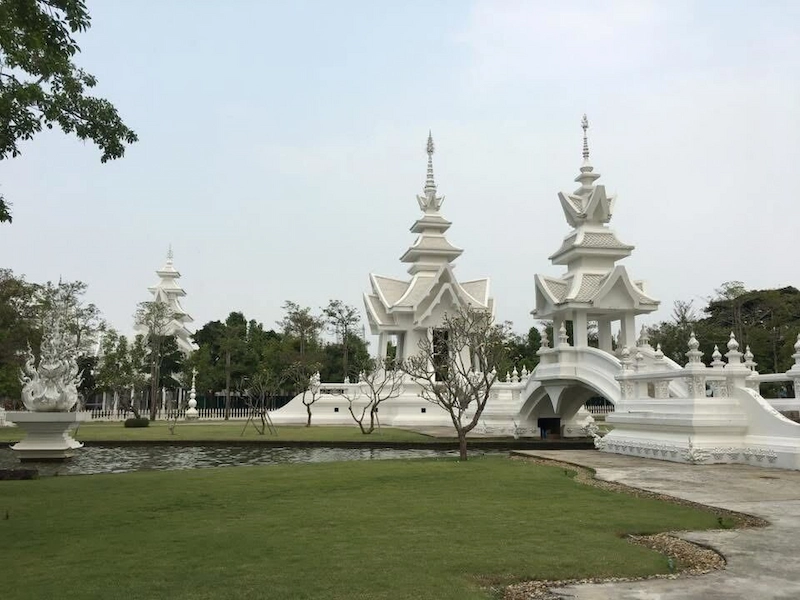
Temples (Wats) are sacred places in Thailand, and visitors are expected to adhere to certain rules of etiquette. Dress modestly, covering your shoulders and knees. Remove your shoes before entering the main temple building. Avoid pointing your feet at Buddha images or monks, as the feet are considered the lowest part of the body. Speak softly and avoid loud conversations.
Taking photographs is generally allowed, but be respectful and avoid using flash photography near Buddha images. Women should never touch a monk or hand anything directly to one. Place the object on a surface for the monk to pick up. These simple acts of respect demonstrate your understanding of Thai culture and religious beliefs.
“I’ve learned that people will forget what you said, people will forget what you did, but people will never forget how you made them feel.”
6. Food Culture
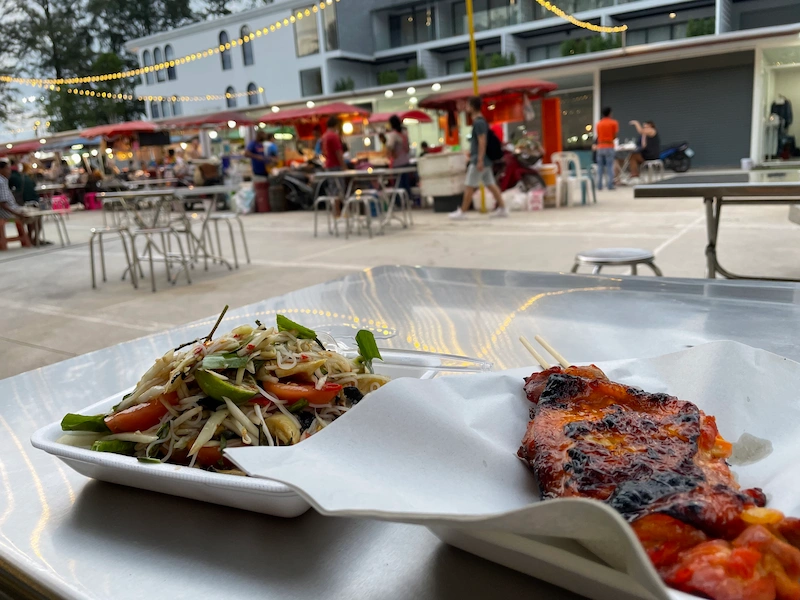
Food is an integral part of Thai culture. Meals are often shared family style, with a variety of dishes placed in the center of the table for everyone to enjoy.
Using your fork to push food onto your spoon (your primary eating utensil) is customary. Avoid using your chopsticks to eat rice, as this is considered impolite.
Tipping is not generally expected in Thailand, but rounding up the bill is appreciated.
Remember, smiling and expressing your enjoyment of the food goes a long way in showing appreciation to your host.
7. Modern Thailand & The “Thai Mindset”
Thailand is a place of beautiful contradictions. You’ll see saffron-robed monks walking past luxury malls, and spirit houses adorned with marigolds sitting in the shadow of cyber-tech skyscrapers. But what truly binds the ancient and the modern isn’t just architecture—it’s a specific state of mind.
To truly understand the rhythm of daily life here, you need to grasp two unwritten rules of the Thai soul: Sanuk and Mai Pen Rai.
Sanuk is the deep-seated belief that life should be fun. Whether working in a rice paddy or a corporate office, Thais inject playfulness into the mundane. If it isn’t Sanuk, it’s hardly worth doing. This pairs perfectly with Mai Pen Rai, a phrase you’ll hear constantly. It translates loosely to “it’s okay” or “no worries,” but it means much more. It’s a tool for social harmony. The bus is late? Mai Pen Rai. Order got mixed up? Mai Pen Rai. It’s the refusal to let frustrations ruin the vibe or cause someone to lose face.
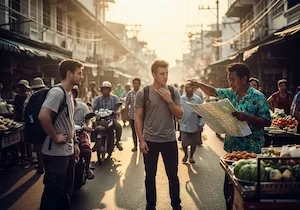
See it in action: Imagine you are at a Chiang Mai night market, eyeing a hand-carved wooden elephant. A typical tourist might launch straight into aggressive haggling. But try the Thai way.
Catch the vendor’s eye with a warm “Sawasdee krub/ka” (Hello). Admire the craft—“Suay mak!” (Very beautiful!). Smile and joke a little before asking, “Tao rai krub/ka?” (How much?).
You’ve just turned a cold transaction into a human connection. You aren’t just a wallet anymore; you’re a guest. The vendor is far more likely to offer you a “friendly price” not because you fought for it, but because you respected the harmony of the interaction. That is the heartbeat of Thailand.
Don’t worry about getting every custom perfect. Thais know you are a visitor and generally forgive small slip-ups. If you approach them with curiosity and a smile, you’re already speaking their language.
Quick Reference: The Do’s and Don’ts of Thai Etiquette
If you remember nothing else, keep this cheat sheet in mind to navigate Thailand without accidentally causing offense.
✅ Please Do
- Return the Wai: If a local Wais you (especially service staff), smile and nod or press your palms together at chest level. Ignoring it feels like refusing a handshake.
- Stop for the Anthem: At 8:00 AM and 6:00 PM, the National Anthem plays in public spaces (like BTS stations). Stop walking and stand silently until it ends.
- Use Your Right Hand: When passing money or objects to someone, use your right hand (or both hands). The left hand is traditionally associated with restroom hygiene.
- Smile to Diffuse Tension: If you accidentally bump into someone or there is a misunderstanding, a smile (the “Yim”) works better than an apology to smooth things over.
❌ Please Don’t
- Touch the Head: The head is the most sacred part of the body. Never touch someone’s head or ruffle a child’s hair.
- Point Your Feet: The feet are considered the lowest/dirtiest part of the body. Never point them at a person, and especially never at a Buddha statue or monk.
- Lose Your Temper: Shouting or displaying aggression causes you to “lose face.” It is the fastest way to make locals shut down and stop helping you.
- Disrespect the Monarchy: Thai Lèse-majesté laws are strict. Never make negative comments about the Royal Family, even in private or online.
Parting Thoughts
Your journey into Thailand’s heart isn’t just a trip; it’s an ongoing discovery of traditions woven through centuries. By delving into its history, embracing the subtle dance of social etiquette like the respectful Wai and considerate Kreng Jai, and approaching every interaction with genuine respect, you unlock far richer experiences. This mindful approach transforms simple sightseeing into meaningful connections, fostering a profound appreciation for the Thai people and their vibrant, enduring culture.
So, when you walk Thailand’s paths – from the hushed serenity of its temples (remembering modest dress) to the lively buzz of its markets – carry this spirit of respect. Honor elders, engage with locals thoughtfully, and savor every encounter. In doing so, you won’t merely enhance your own adventure; you become part of a positive, enriching cultural exchange. Let the stunning landscapes take your breath away, let the incredible flavors ignite your senses, and let the warmth of Thai hospitality envelop you.
Keep your curiosity alive, celebrate the beautiful diversity you find, and continue learning. For in understanding Thailand’s traditions, you truly discover its soul. Happy exploring!