


After my trip to Hiroshima and Itsukushima, I travelled with the Kamome Shinkansen to Nagasaki. I left Nagasaki with that rare feeling you only get from cities that reveal themselves slowly, through friendly streetcar drivers, grandma-run lunch counters, and a skyline that glows like a lantern at night.
It’s a city that feels human-scale and lived-in, a welcome contrast to the bustling crowds of Japan’s “Golden Route.”
This guide lays out a crisp 1–2 day Nagasaki itinerary you can follow exactly, plus the unmissable foods, key sights, and practical tips to make the most of your trip. Before we dive into the timed plan, let’s start with the highlights.
Nagasaki in a Nutshell: Your Quick Guide

- Why Visit? A historic port city with deep international roots (Dutch, Chinese, Portuguese), incredible food, and refreshingly fewer crowds than Tokyo or Kyoto.
- How Many Days? One full day is perfect for the core historical sites and city atmosphere. Two days are ideal if you want to include the fascinating trip to Hashima “Battleship” Island.
- Must-Try Food: Champon Noodles, Castella Cake, Toruko Rice.
Top 5 Unmissable Experiences:
- Nagasaki Peace Park & Atomic Bomb Museum: A powerful and essential look at the city’s poignant history.
- Mt. Inasa Night View: Officially ranked as one of Japan’s top three night views.
- Hashima Island (Gunkanjima): A haunting, abandoned island mining community (requires a half-day boat tour).
- Shinchi Chinatown: The birthplace of Nagasaki’s famous Champon noodle soup.
- Glover Garden & Oura Church: Historic Western homes with beautiful harbor views.
Why Nagasaki (Still) Flies Under the Radar

Nagasaki doesn’t make as many first-timer lists as Tokyo or Kyoto. It’s on Kyushu, a bit off the classic tourist trail, and its story isn’t as heavily marketed. That lack of hype is precisely its biggest advantage.
You feel like you’re living among locals, not navigating a theme park version of Japan. Tram bells ding, shopkeepers chat, and schoolkids snack in the arcades after class. The city’s history is unusually layered: Portuguese, Dutch, and Chinese influences shape everything from the food to the architecture. In short: fewer lines, deeper texture.
What to Eat in Nagasaki: The Hit List
Nagasaki’s table mirrors its history. Food is a huge part of the experience here, so arrive hungry.
- 🍜 Champon: The city’s signature noodle soup. A rich, savory broth loaded with seafood, pork, and vegetables. It’s a complete, hearty meal in a bowl.
- 🍝 Sara Udon: Champon’s crispy cousin. A nest of crunchy fried noodles topped with a thick, glossy stir-fry sauce. Perfect for those who love texture.
- 🍔 Kakuni Manju: A perfect walking snack. A piece of silky, slow-braised pork belly tucked into a fluffy steamed bun.
- 🍰 Castella (Kasutera): The most famous souvenir. A tender, moist, honey-kissed sponge cake with Portuguese origins.
- 🍛 Toruko Rice (Turkish Rice): A chaotic but delicious plate of local comfort food: typically pilaf rice, spaghetti, and a pork cutlet covered in sauce.
- 🍣 Seafood: You’re in a major harbor city. Look for seasonal fish plates and fresh sushi at restaurants along the Dejima Wharf.
| Neighborhood | Best For |
|---|---|
| Shinchi Chinatown | The undisputed home of Champon and Sara Udon. |
| Dejima Wharf | A breezy seafood lunch, modern cafes, and sunset drinks with a harbor view. |
| Hamamachi Arcade | Perfect for snack crawls, finding Castella cake shops, and casual coffee breaks. |
| Shianbashi/Doza-machi | The go-to area for a lively atmosphere with plenty of izakayas and late-night bites. |
How to Get Around
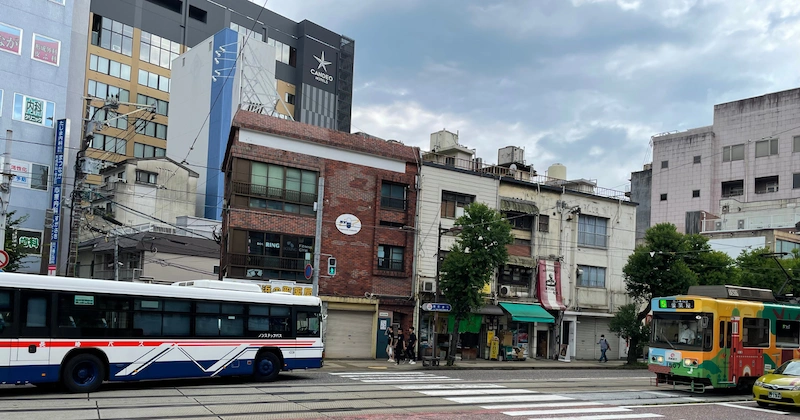
Nagasaki’s streetcars (trams) are the star of the show. They are cheap, frequent, and easy to navigate. Almost every sight in this itinerary is just a short walk from a tram stop. For hilly areas like Glover Garden or Mt. Inasa, you’ll rely on walking, a ropeway, or a short taxi ride.
Public Transportation Costs
Single Tram Ride: A flat fare of ¥150 for adults and ¥80 for children (ages 6-12).
One-Day Tram Pass: For unlimited rides for a full calendar day, the pass costs ¥600 for adults and ¥300 for children. This is the best value if you plan to take the tram four or more times.
It’s important to note that the one-day pass cannot be purchased on board the tram. You can buy it in advance at major hubs like the Nagasaki Station Tourist Information Center or at many hotels throughout the city. You can also pay for single rides using common IC cards like Suica, PASMO, or ICOCA.
Where I Stayed: Hotel Concerto Nagasaki
Hotel Concerto Nagasaki was a perfect base: comfortable, affordable, and just steps from a main tram line.
The hotel’s biggest advantage is its incredible convenience for sightseeing. It’s located just a four minutes walk from the University Hospital (Daigaku Byoin) tram stop, putting the entire city’s northern historical sites right at your doorstep. This made hopping around the city effortless, especially for starting the day at the Peace Park and Atomic Bomb Museum, which are just a short walk away. From there, it’s a straight shot on the tram down to Chinatown and the southern part of the city.
The Perfect 1–2 Day Nagasaki Itinerary
This itinerary is designed to be efficient but unhurried, blending history, food, and stunning views.
Day 1: The Heart of Nagasaki
Theme: Understand the city’s poignant history, explore its international roots, and end with a world-class panorama.
Morning: History & Reflection
9:30 AM — Nagasaki Peace Park & Hypocenter
Start your day with a thoughtful visit to the Peace Park. The quiet greenery and powerful sculptures set a contemplative tone. A short walk leads to the Hypocenter Park, where a simple black monolith marks the exact epicenter of the 1945 atomic blast.
- Time Needed: 45-60 minutes
10:30 AM — Nagasaki Atomic Bomb Museum
This museum is essential for understanding modern Nagasaki. It is impeccably curated, blending historical context with deeply personal stories of survival. It’s a heavy experience, but one that makes the vibrant, peaceful city outside feel even more precious.
- Time Needed: 60-90 minutes
- Admission: ¥200
Afternoon: Culture & Cuisine
12:15 PM — Lunch in Shinchi Chinatown
Take the tram to Shinchi Chinatown, Japan’s oldest, for a well-deserved lunch. This is the place to try Nagasaki’s soul food.
TOP TIP: What to Order in Chinatown
Champon is the classic soup, but if you love crispy textures, don’t miss Sara Udon. Grab a Kakuni Manju (braised pork bun) for the perfect walking snack!
1:30 PM — Dejima
Walk from Chinatown to Dejima, the fan-shaped artificial island that served as Japan’s sole window to the Western world for over 200 years. The beautifully restored buildings show how Dutch traders lived and worked, kickstarting Nagasaki’s long international story.
- Time Needed: 60 minutes
- Admission: ¥520
2:45 PM — Meganebashi (Spectacles Bridge)
Stroll along the Nakashima River to find Meganebashi, a charming stone bridge whose reflection in the water creates the image of a pair of spectacles. It’s a simple, serene spot perfect for photos.
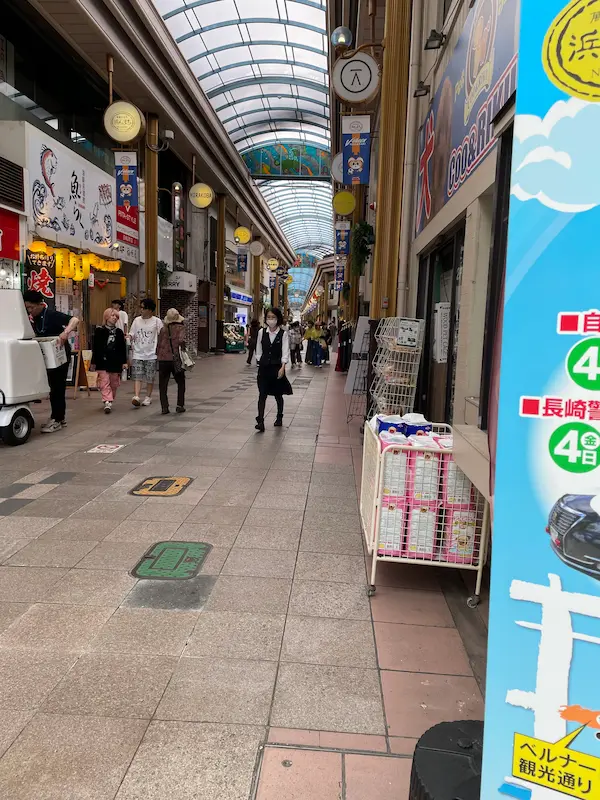
3:30 PM — Hamanmachi Shopping Arcade
After visiting the bridge, take a short walk to the Hamamachi Shopping Arcade. This is a long, covered street full of shops, cafes, and places to get a snack. It’s a great spot to see daily life in Nagasaki, find the famous Castella cake, or just relax with a coffee before your evening plans.
Evening: Views & Vibes
5:00 PM — Dejima Wharf & Nagasaki Harbour

Circle back to Dejima Wharf, a modern promenade on the scenic Nagasaki Harbour. It’s lined with restaurants and cafes, making it the perfect spot to rest your feet with a coffee or a pre-dinner drink while watching the sunset over the water.
6:30 PM — Dinner in the City
For dinner, try Toruko Rice for a unique local dish or explore the lively izakayas in the Shianbashi area. For something more casual, the covered Hamamachi Shopping Arcade offers a huge variety of restaurants and cafes.
Day 2: The Hashima Island (Gunkanjima) Add-On
If you have a second day, there’s one experience that defines a deeper trip to Nagasaki: the haunting, abandoned world of Hashima Island, also known as Gunkanjima or “Battleship Island.” This boat tour will take up your entire morning.
Planning Your Hashima Island Trip? Read This First!
Booking a Hashima tour involves choosing the right company, understanding weather cancellations, and knowing the strict rules on the island. This is a big topic, so I’ve created a dedicated, in-depth guide to ensure you get it right.
➡️ Read Next: The Complete Guide to Visiting Hashima Island (Gunkanjima)
Morning (8:30 AM – 12:30 PM): The Hashima Tour
Your morning will be dedicated to the boat tour. You’ll get dramatic views of the island from the water before landing (sea conditions permitting) for a guided walk through the crumbling concrete ruins of this former coal mining community.
Afternoon (1:00 PM onwards): Southern Hills & Souvenirs
1:00 PM — Lunch at Dejima Wharf
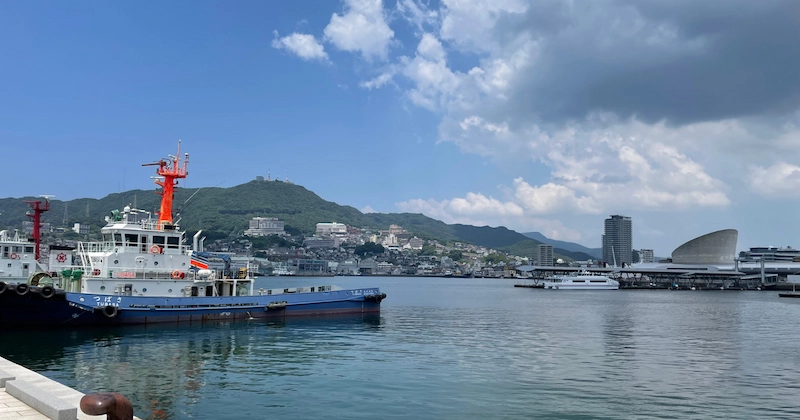
After your tour, grab a simple and relaxing lunch back at Dejima Wharf to decompress and process the powerful experience.
2:30 PM — Oura Church & Glover Garden
Take the tram to the southern hills. Start at Oura Church, Japan’s oldest surviving Catholic church and a symbol of Nagasaki’s unique Christian history. From there, walk up to Glover Garden, a beautiful open-air museum of Western-style homes from the Meiji Period, including that of Scottish merchant Thomas Glover. The gardens offer fantastic views over Nagasaki Harbour.
- Time Needed: 1.5 – 2 hours
- Admission: ¥620 (Glover Garden)
Evening: Relaxed Dinner
Keep your final evening low-key. Enjoy an easy dinner at an izakaya or revisit the Hamamachi Shopping Arcade for a casual meal and some last-minute souvenir hunting before you depart.
Why Nagasaki Should Be on Your Japan Itinerary
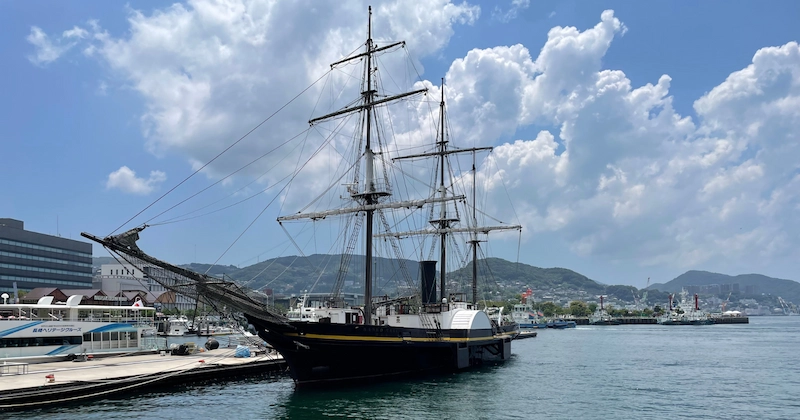
Let’s be clear: Nagasaki doesn’t compete with the sheer spectacle of Japan’s “Golden Route,” and that is its greatest strength. It offers something far rarer and, for many, more rewarding: authenticity.
Where other cities can sometimes feel like perfectly curated museums, Nagasaki feels like a living, breathing community that you are briefly invited to join. The experience is less about observing Japan from behind a velvet rope and more about stepping into its daily flow, riding the same trams and eating at the same counters as the locals.
What makes Nagasaki truly special is this seamless blend of the profound and the everyday. The city’s epic history of tragedy and rebirth isn’t confined to a museum; you feel it in the quiet dignity of the Peace Park and see it in the vibrant life that fills every street.
For the traveler who seeks not just to see Japan, but to understand a small, essential piece of its heart, Nagasaki is waiting.