


Need a break from Tokyo’s intensity? Hakone is your perfect escape. Just a short trip away, this natural sanctuary offers volcanic landscapes, serene lakes, and rejuvenating hot springs – the ideal counterpoint to city chaos.
Whether you’re new to Asia or a seasoned traveler, this guide delivers practical, actionable tips to experience Hakone’s best sights without the crowds. Discover how to make every yen, minute, and step count for a richer, more meaningful visit.
Forget just checking landmarks off a list. Here, you’ll learn how to truly soak in Hakone’s tranquility and unique culture, experiencing Japan on your terms.
Going from Tokyo to Hakone
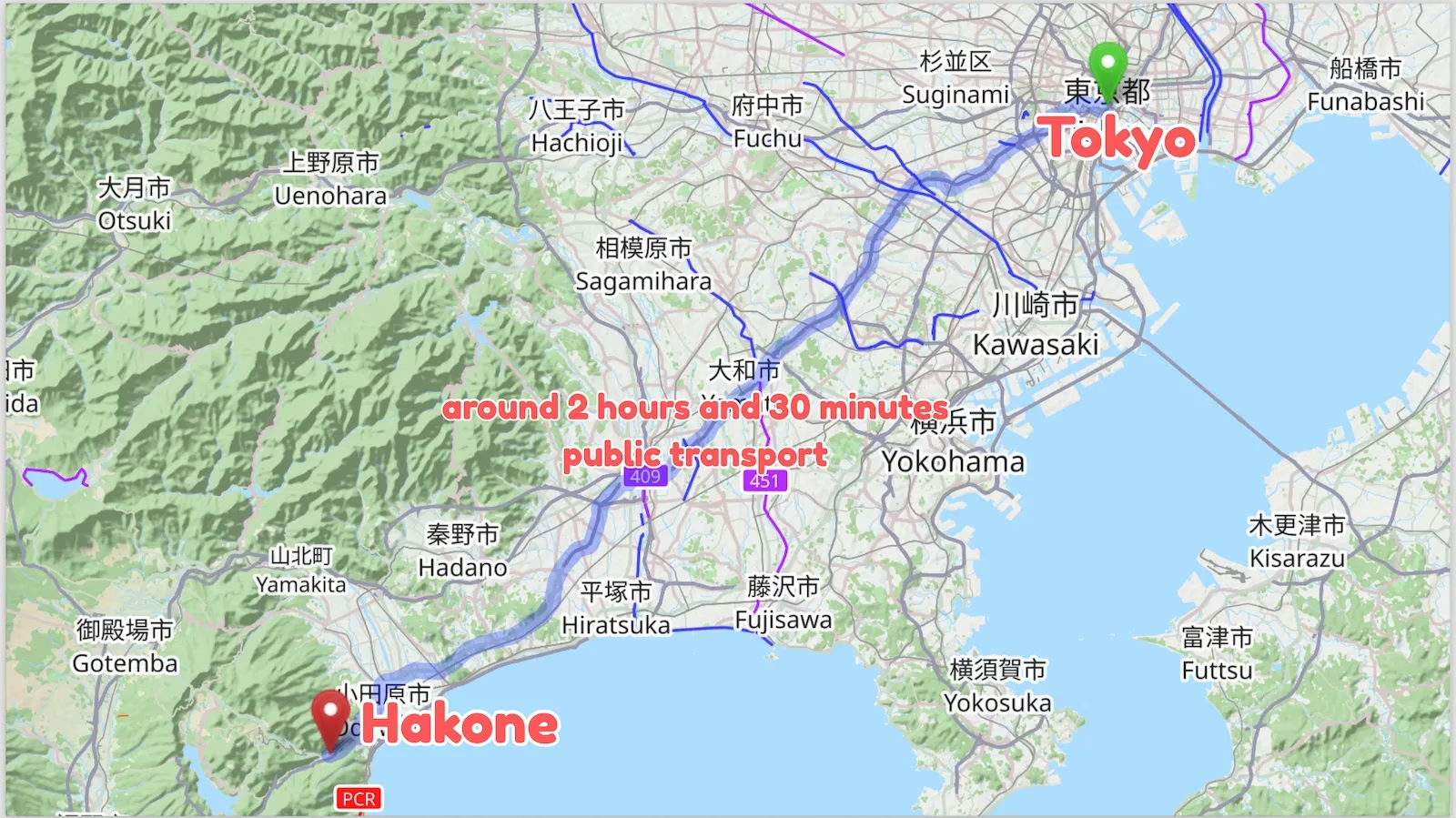
Reaching Hakone from Tokyo is straightforward, making it ideal for day trips or overnight stays. Choose the best option for your budget and travel style:
1. Odakyu Romancecar (Direct Train):
Route: Shinjuku Station (Tokyo) → Hakone-Yumoto Station.
Pros: Fastest direct route (~85 mins), comfortable, scenic.
Cons: Higher base fare. Not ideal if you plan extensive sightseeing within Hakone.
2. Hakone Free Pass (Highly Recommended – The Smart Choice):
What it covers:
Round-trip travel from Shinjuku to Hakone (via Odakyu local/romancecar* + transfer).
UNLIMITED rides on almost all Hakone transport:
Hakone Tozan Train (mountain railway)
Hakone Tozan Cable Car
Hakone Ropeway
Hakone Sightseeing Cruise (Pirate Ships on Lake Ashi)
Select Odakyu Hakone Highway Buses
Pros: Massive cost savings vs. individual tickets, ultimate convenience, stress-free hopping between sights. Choose 2-day or 3-day validity.
Cons: Requires using designated routes (slightly slower than only the direct Romancecar).
Buying it: Purchase at Shinjuku Station Odakyu counters or buy online in advance (essential during peak season!). Check current prices/options on the Official Odakyu Electric Railway Website.
*Tip: You can upgrade the Shinjuku-Hakone-Yumoto leg of the Free Pass to the Romancecar for an extra fee, combining speed with the pass benefits.
Arriving in Hakone:
Stepping off at Hakone-Yumoto Station, you immediately feel the shift: fresher air and a slower pace. This is your gateway. Use your included Free Pass transport (train, bus, cable car) right from here to reach your accommodation or first stop.
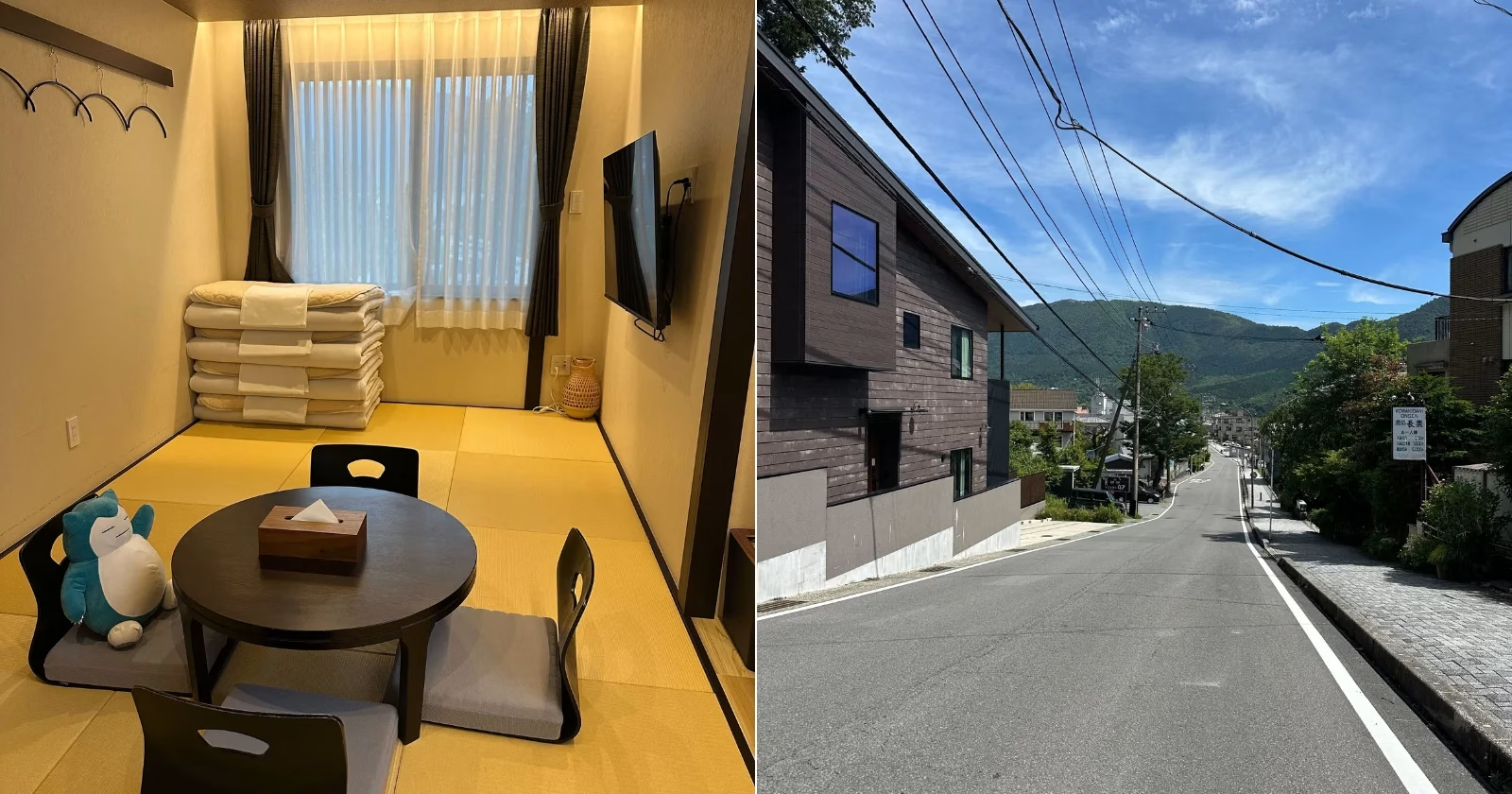
For my trip, my partner and I were determined to find a place that offered comfort and space, a genuine home away from home. I found just that in スタジオーネ箱根彫刻の森 (Stazione Hakone Chokoku No Mori) – a truly lovely and spacious home that felt like a private sanctuary. It allowed us to unpack, unwind, and truly settle into the Hakone vibe without feeling cramped or rushed, which is essential for rejuvenating after the Tokyo frenzy. The peace it offered set the perfect tone for exploring the area.
Beyond the Postcards
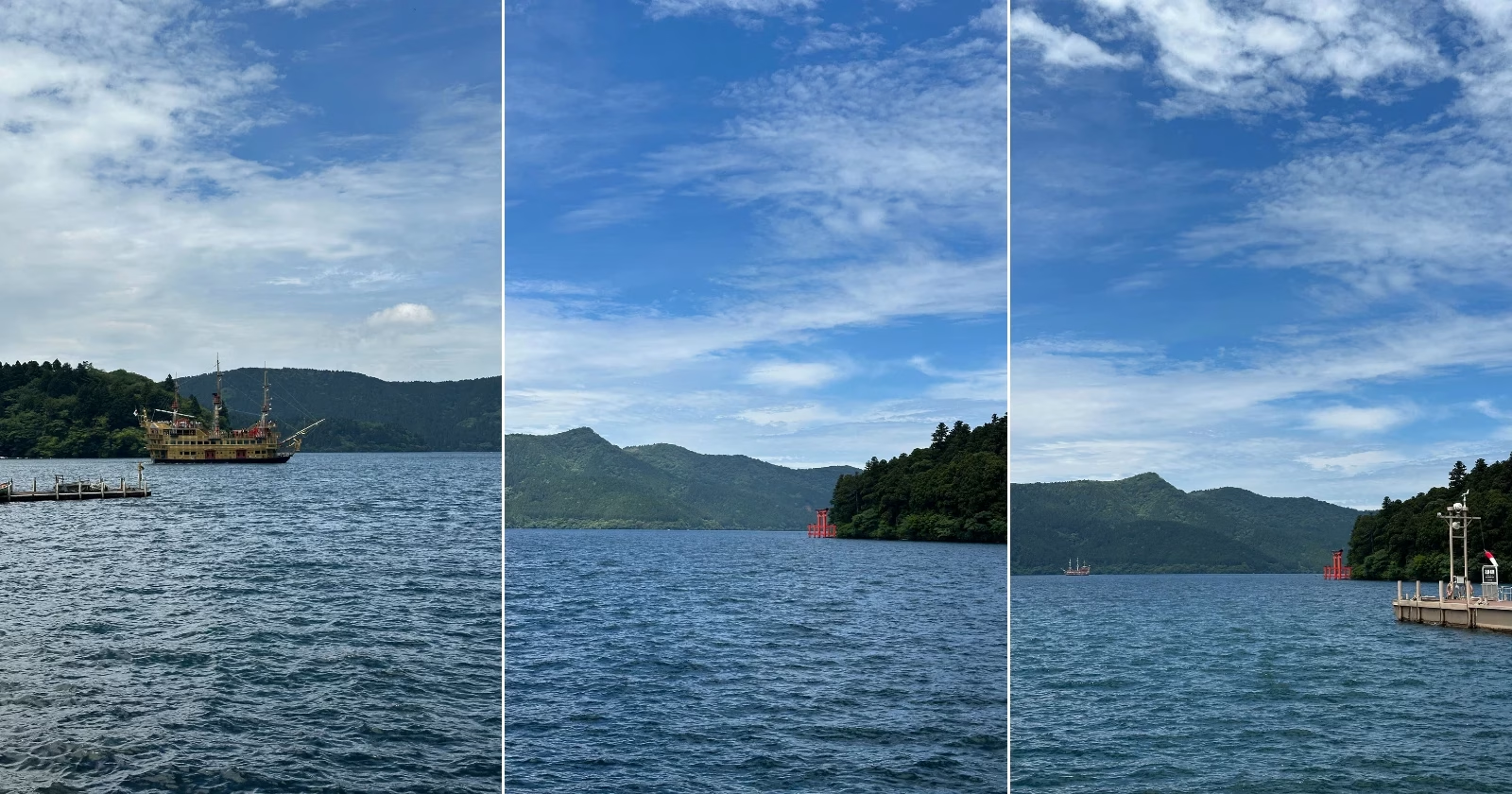
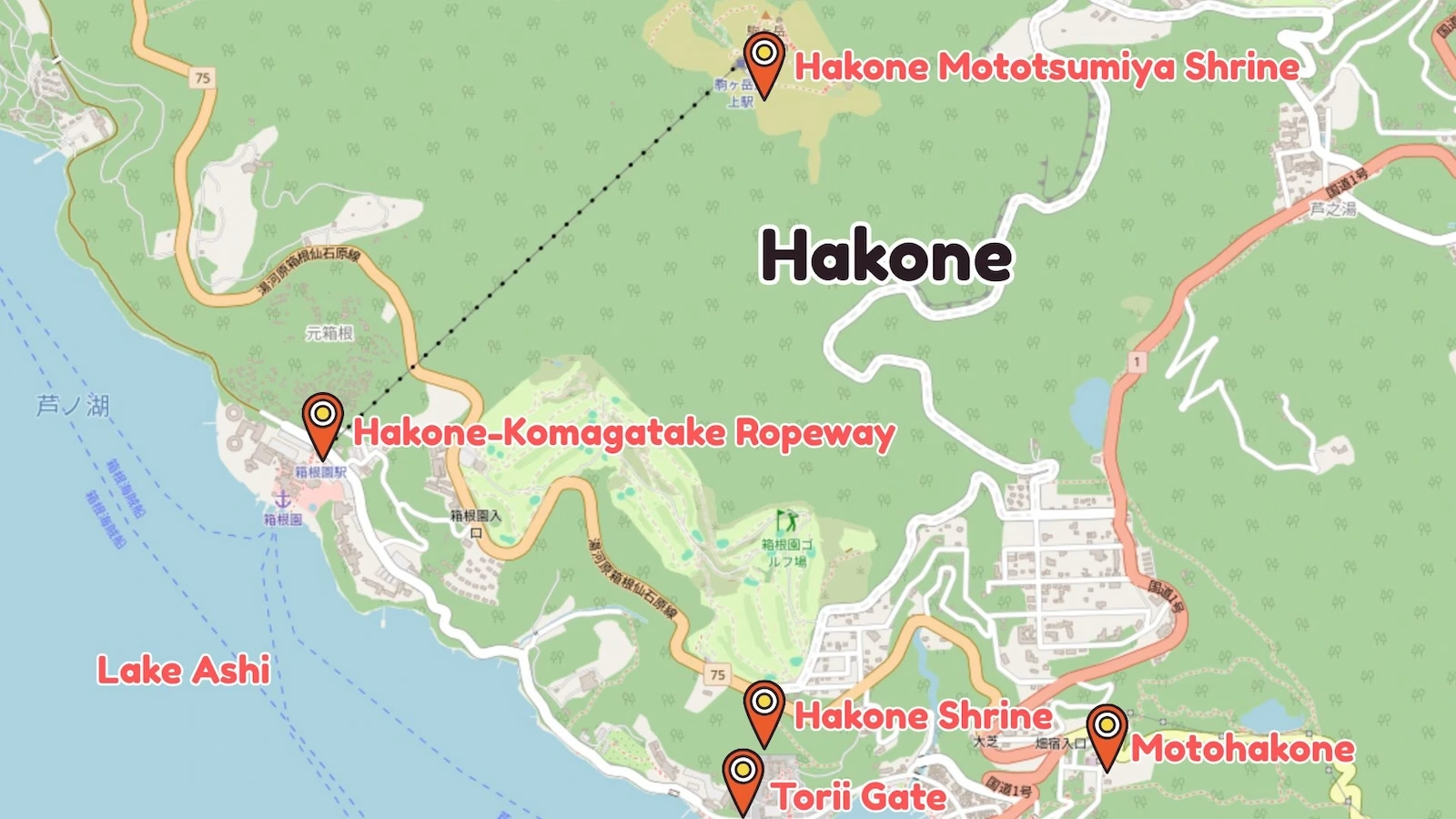
My initial exploration in Hakone began with the iconic Lake Ashi and its famous orange Torii Gate, often seen on postcards. The Hakone Shrine Peace Gate, gracefully rising from the lake, is undeniably picturesque. Getting there involves taking the Hakone Sightseeing Cruise across the lake to Motohakone. The boat ride itself offers stunning vistas, especially on a clear day when Mount Fuji might peek through the clouds.
My advice? Go early. Even in Hakone, popular spots can attract crowds, and capturing that perfect, serene shot of the Torii Gate requires a bit of patience and strategic timing before the main rush arrives.
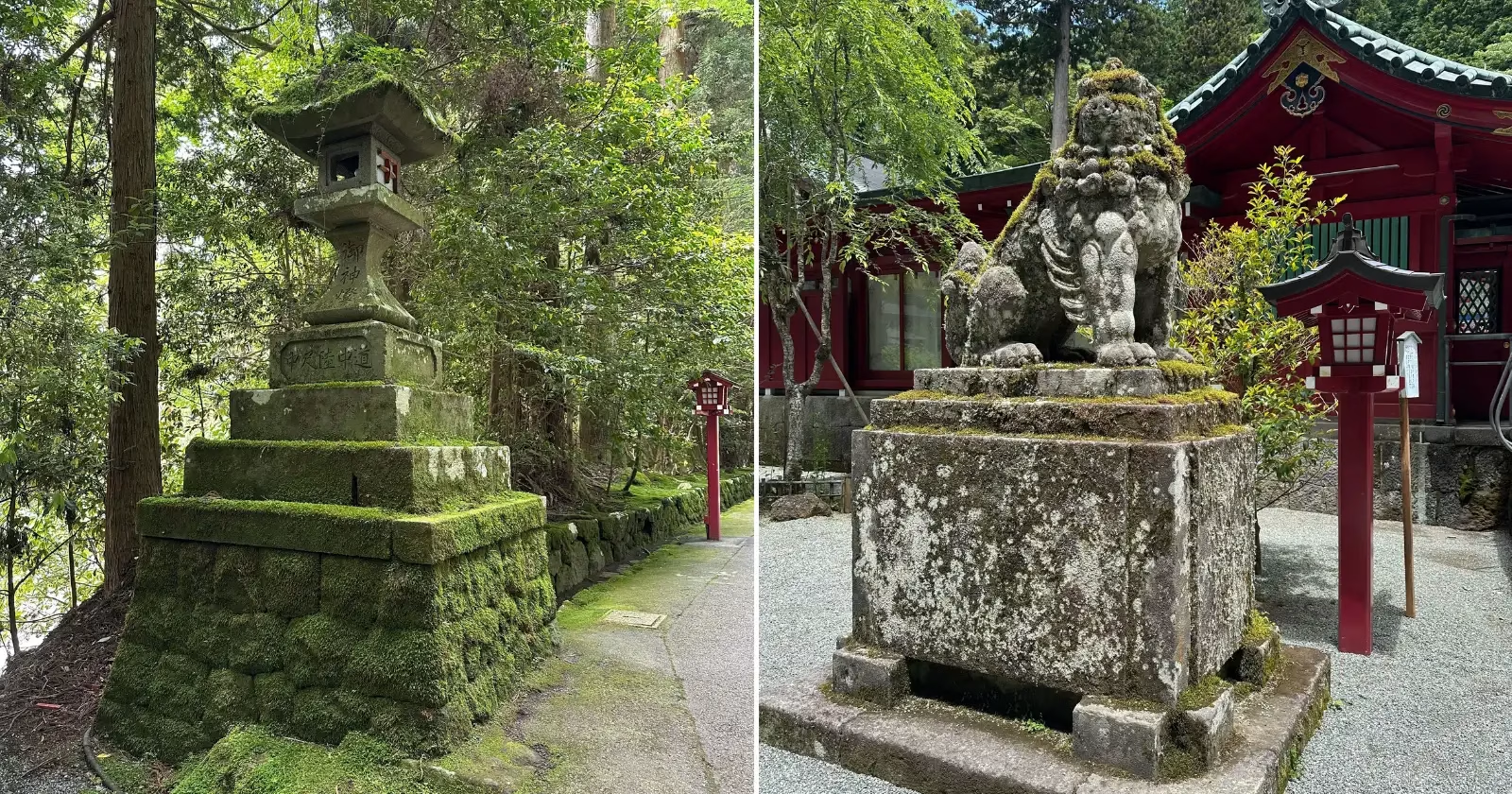
After enjoying the lake and the Torii Gate, I decided to walk a bit further to the main Hakone Shrine. I had envisioned a tranquil experience, but upon arrival, it turned out not to be too promising. There was some construction going on, and the area felt a bit less peaceful than anticipated. This is a common pitfall in travel: expecting an idyllic scene only to find reality (and construction) has a different plan. It was a good reminder that flexibility is key. Instead of dwelling on the slight disappointment, I quickly pivoted my plans.
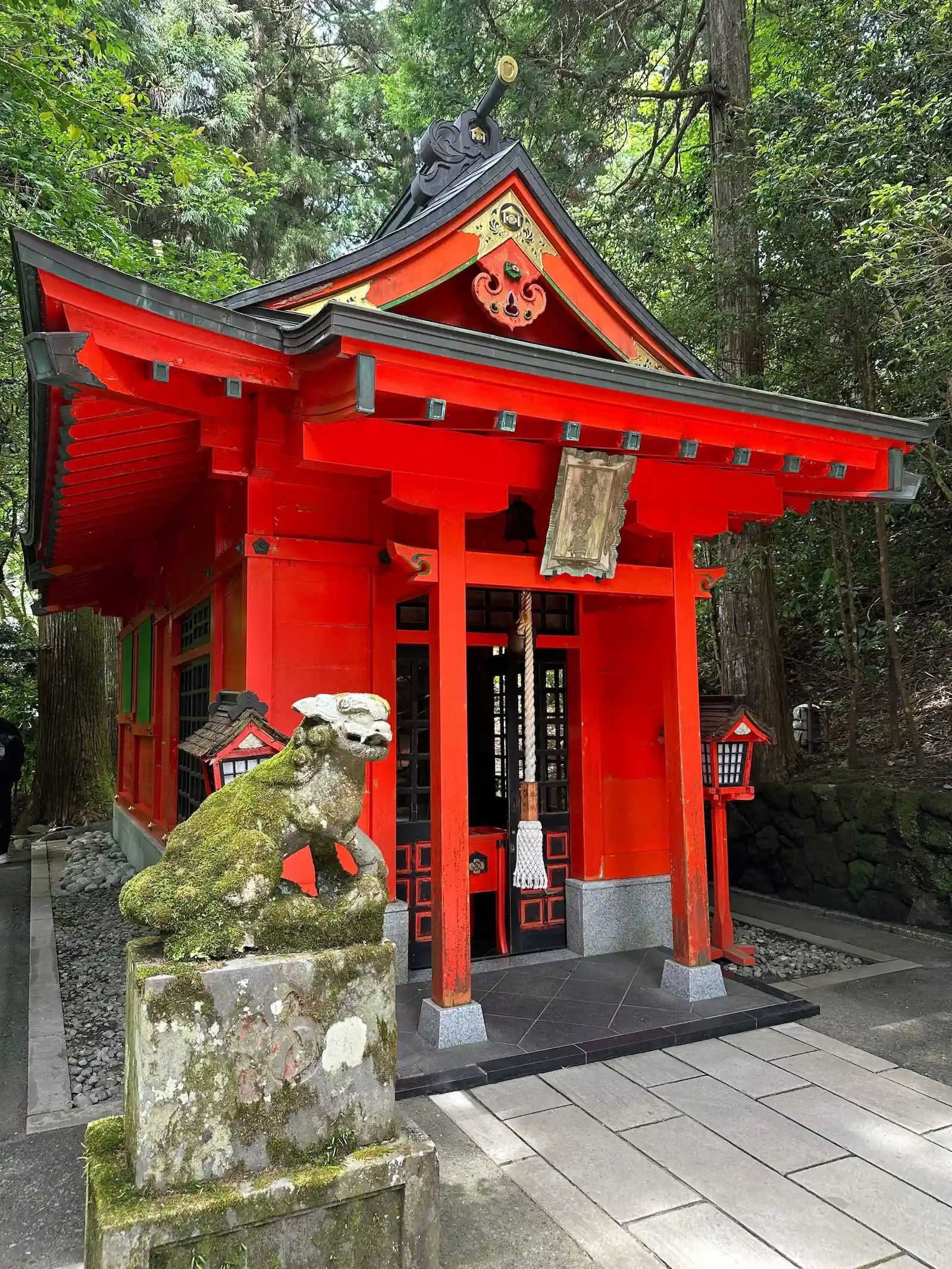
This moment actually led me to discover one of Hakone’s true hidden gems, and it’s an important lesson: always have a backup plan, and don’t be afraid to veer off the well-known path if a site isn’t living up to its hype or is undergoing maintenance.
Checking local tourist information centers or even social media for recent updates on attractions can save you from similar surprises. I’ve learned this lesson many times, from navigating tricky street food scenes to avoiding cultural faux pas in Japan – flexibility truly is your best travel companion.
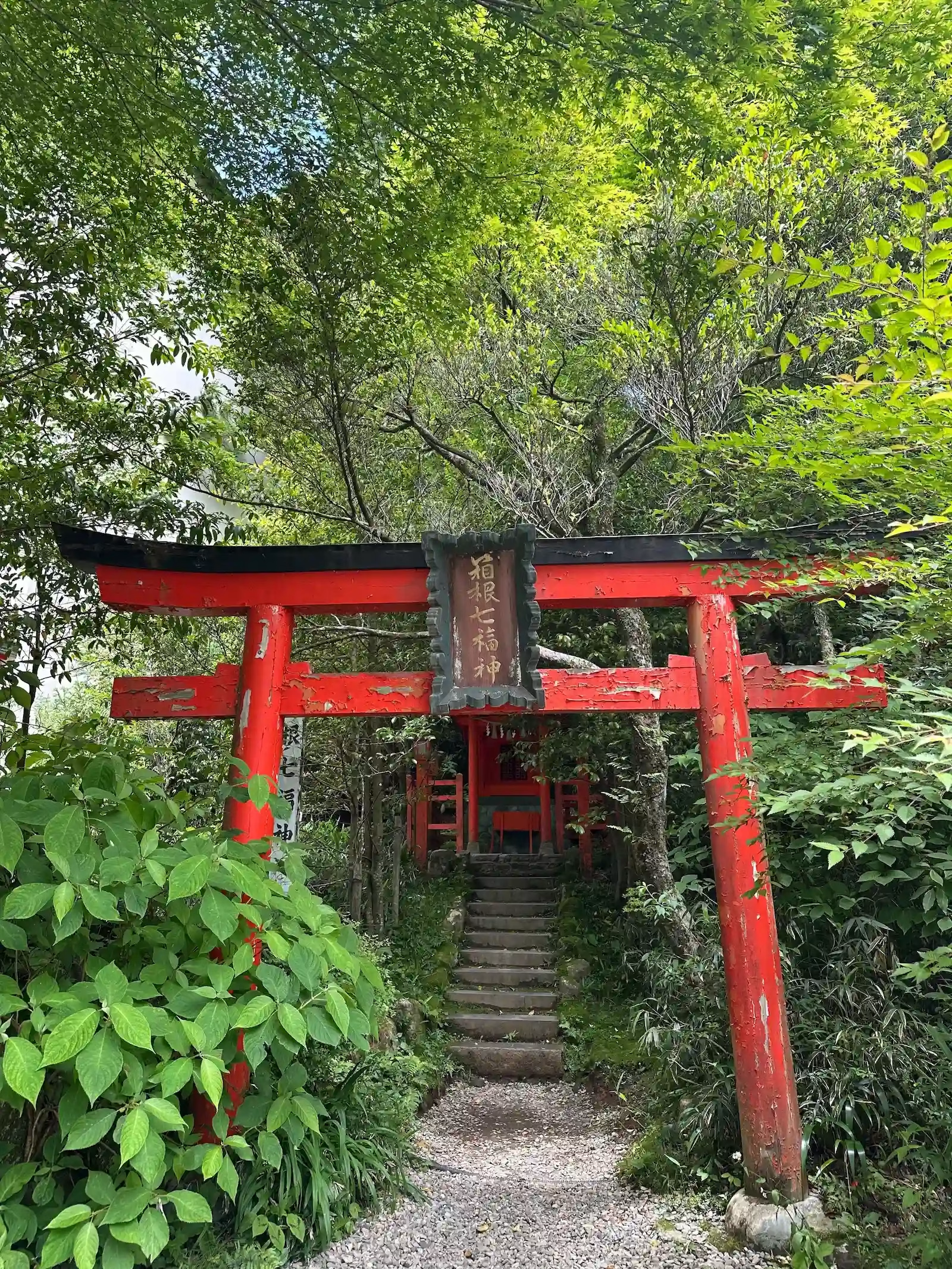
With the Hakone Shrine proving less than ideal that day, my attention shifted to an alternative that promised unparalleled views and fewer people: the Hakone-Komagatake Ropeway. This was a stellar decision.
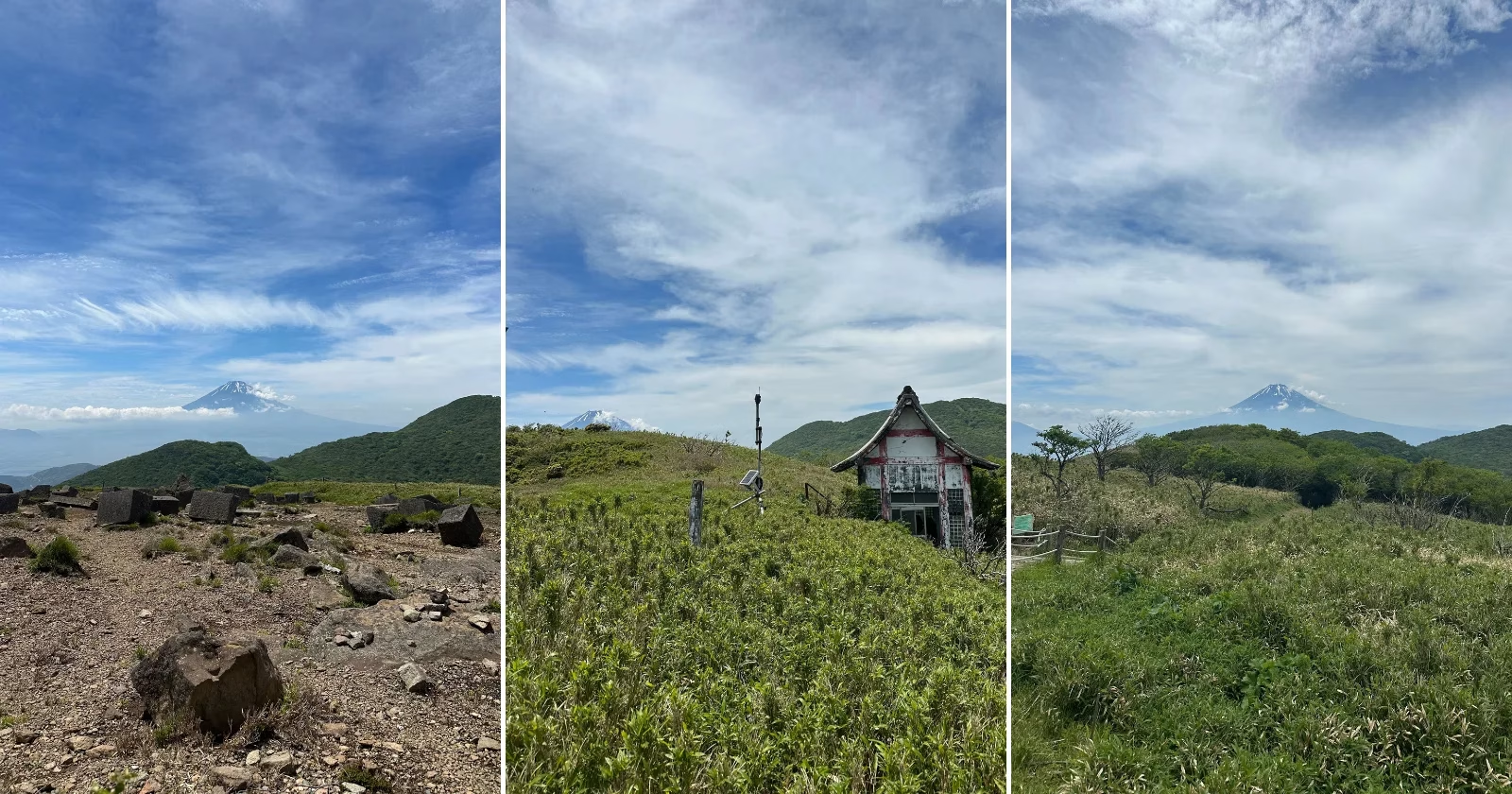
The Hakone-Komagatake Ropeway takes you high up to the peak of Mount Komagatake, offering breathtaking panoramic views of Lake Ashi, Mount Fuji (on a clear day!), and the surrounding mountain ranges.
The cost for a round-trip ticket is around 1,800 JPY (as of my visit, always check current prices and opening hours online before you go, as they can change seasonally or due to weather). The ropeway typically operates from 9:00 AM to 4:50 PM, but again, verify for your specific travel dates.
Elevating Your Hakone Experience
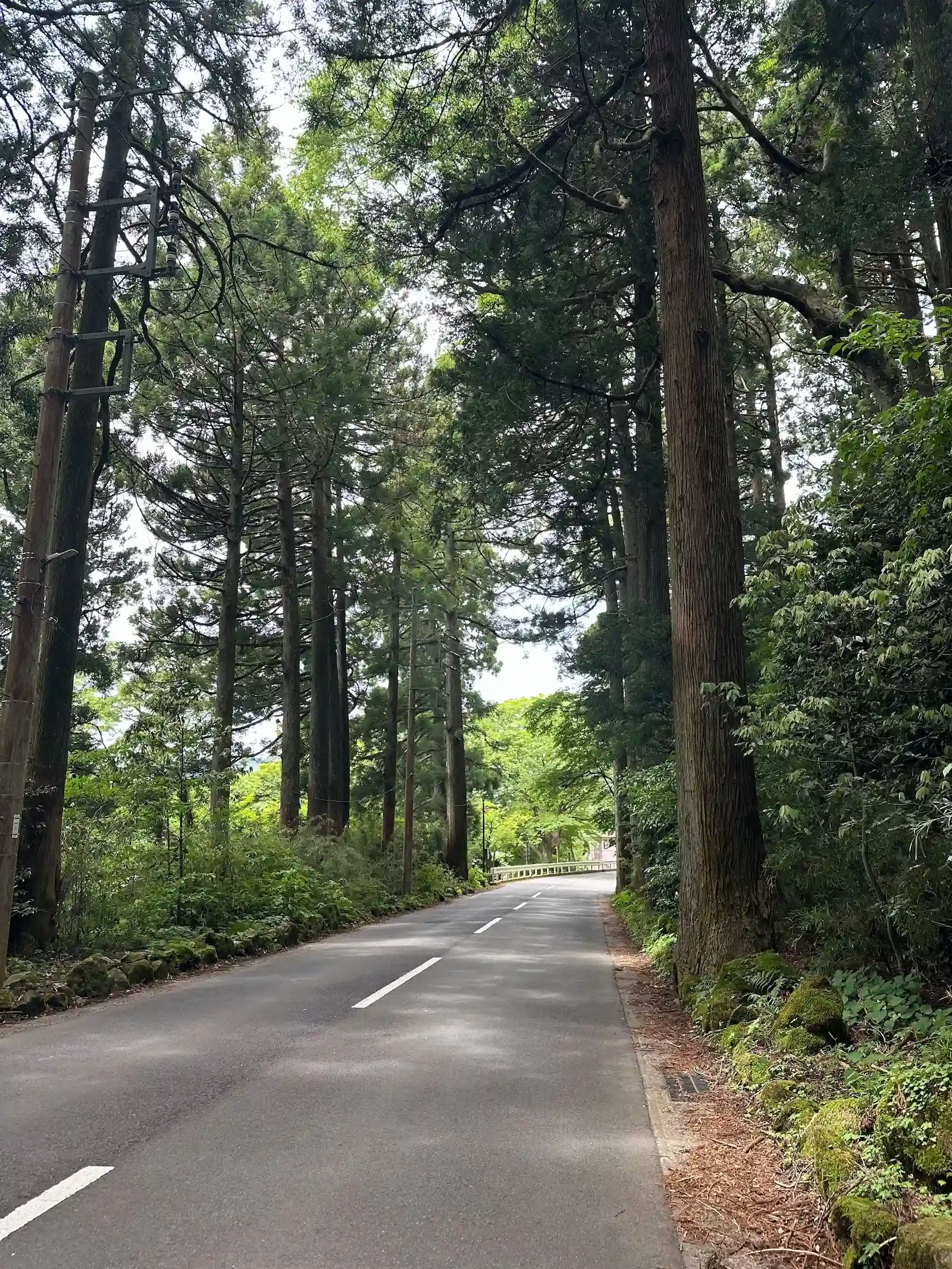
What makes the Komagatake Ropeway truly superior to its more famous counterpart, the Hakone Ropeway (which goes to Owakudani, known for its sulfur vents), is the distinct lack of crowds and the absence of the pervasive sulfur odor.
While Owakudani is unique, the experience on Komagatake is one of pure, unadulterated natural beauty and tranquility. It’s a less touristy alternative that offers arguably more beautiful and expansive views, especially if your goal is serene contemplation rather than geological curiosity.
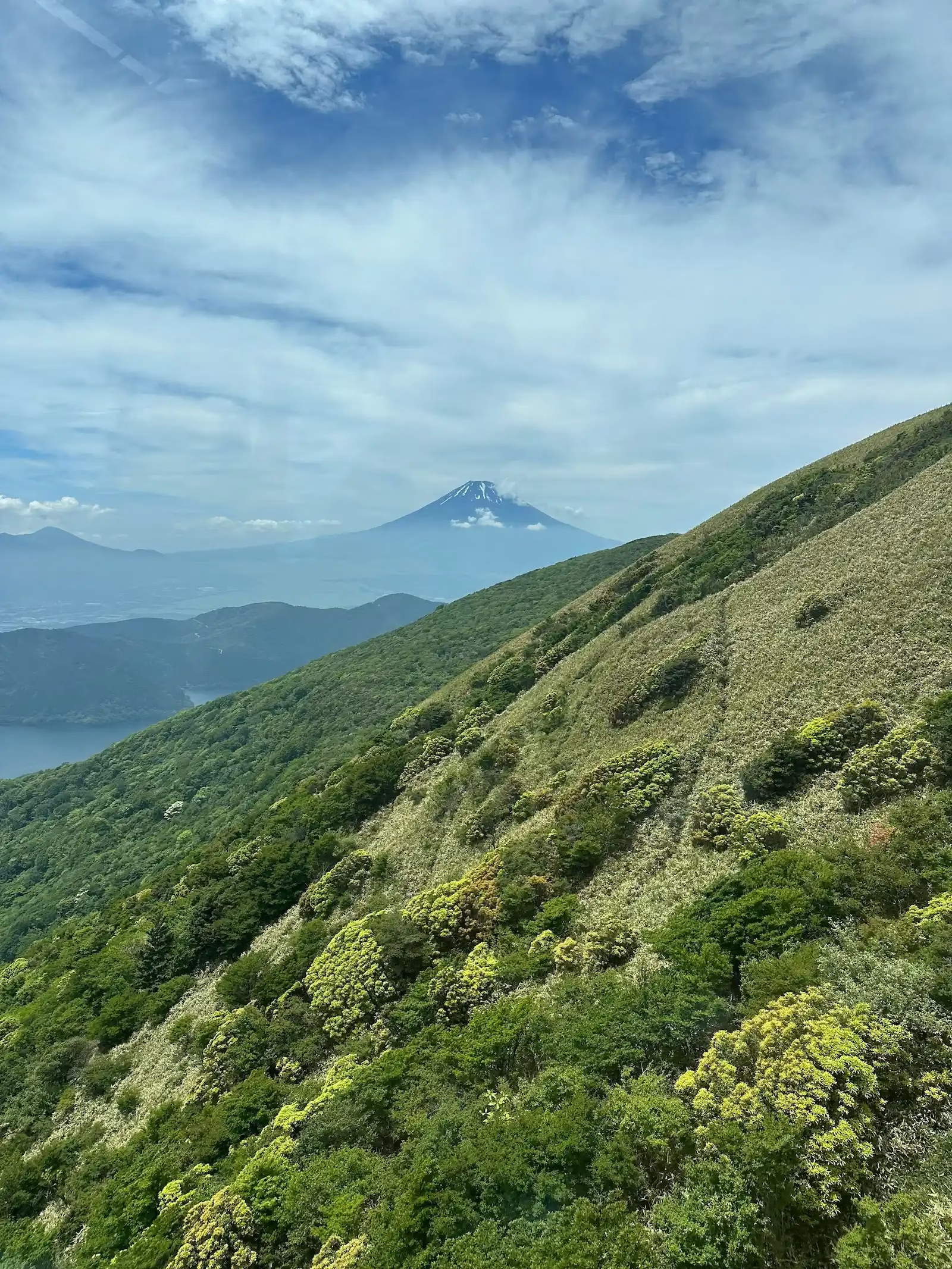
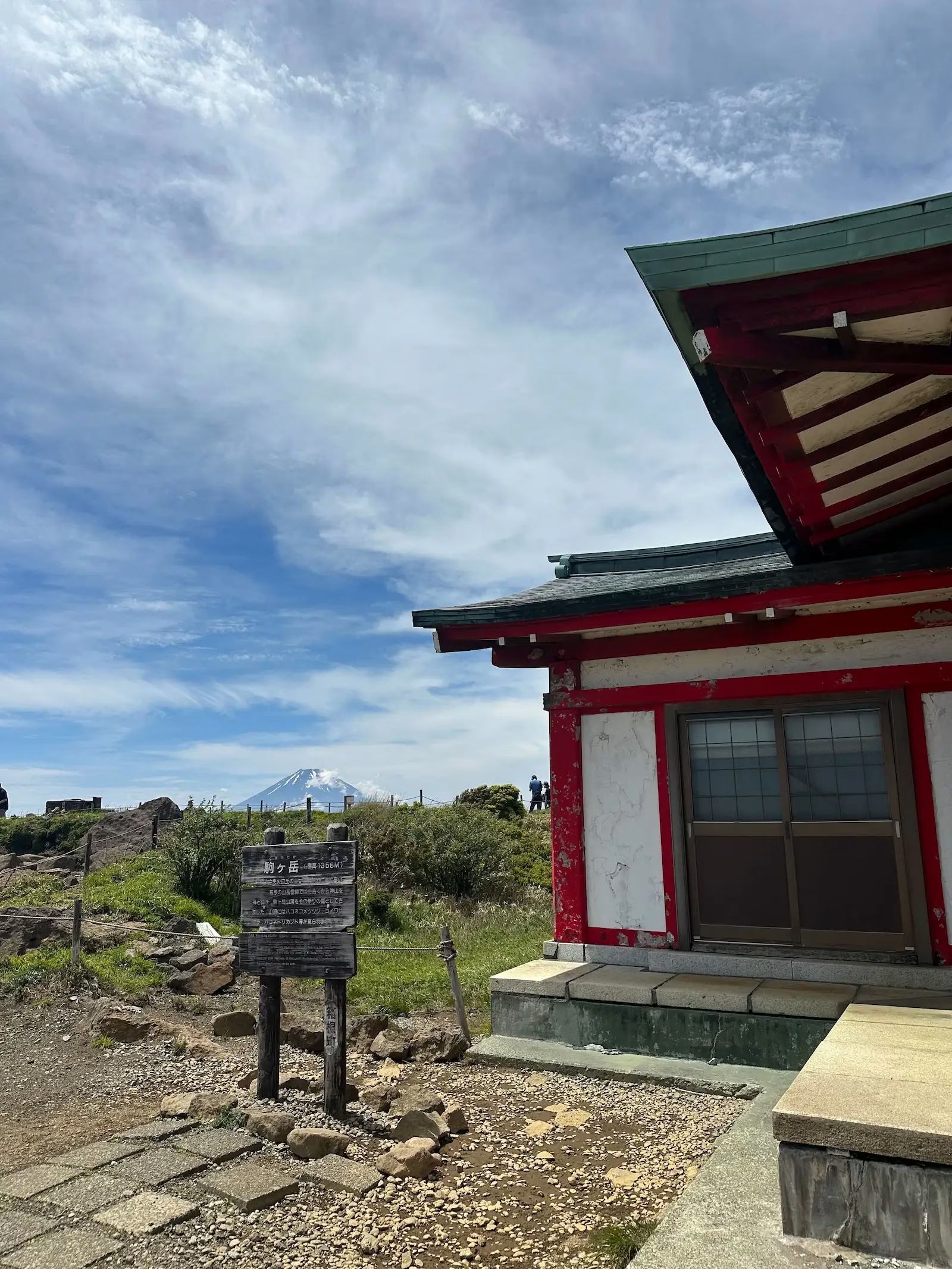
From the top, you can truly appreciate the vastness of the landscape. And yes, Mount Fuji reveals itself in all its majestic glory when the weather cooperates. It’s an ethereal sight that instantly makes the journey worthwhile.
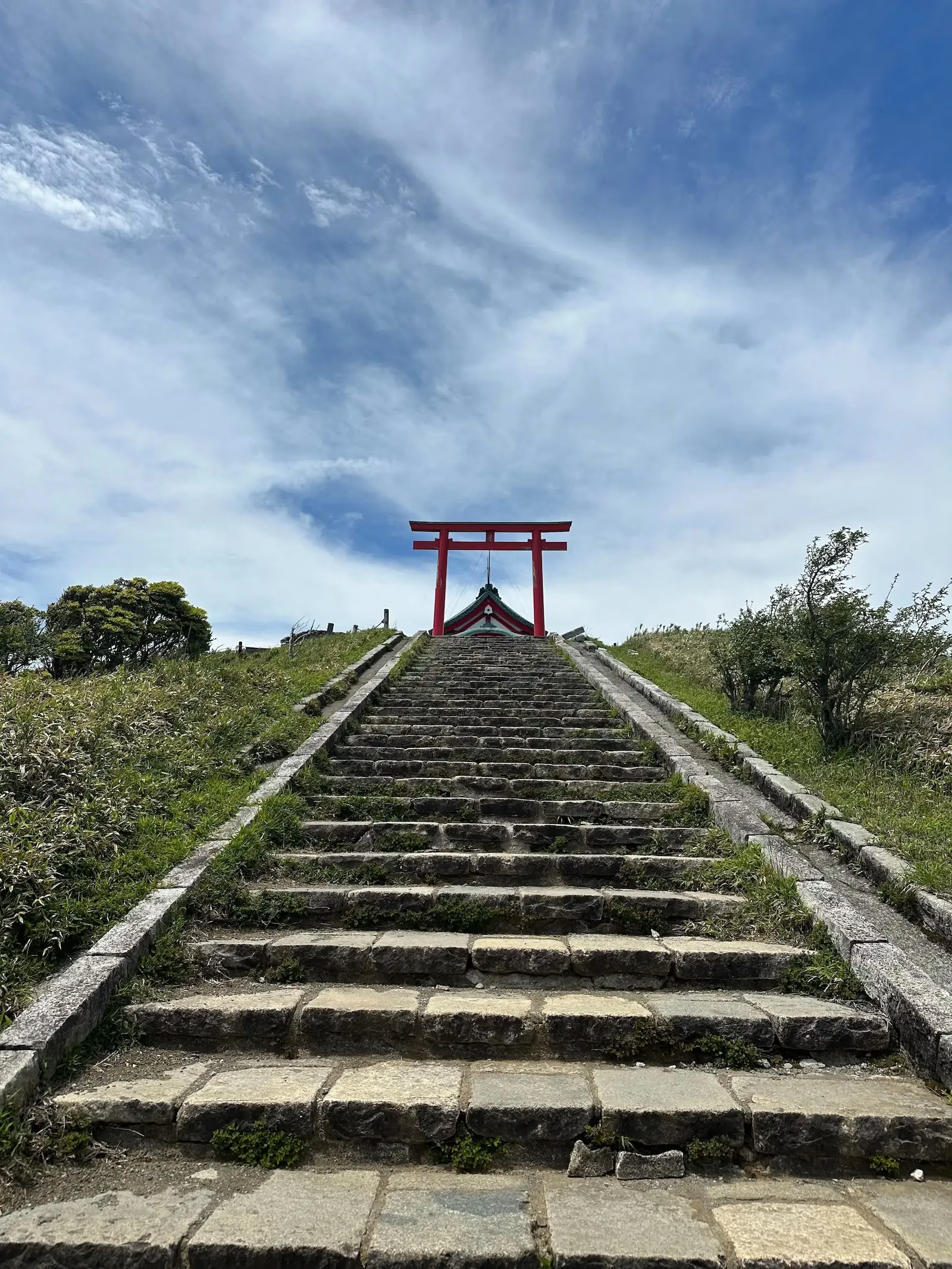
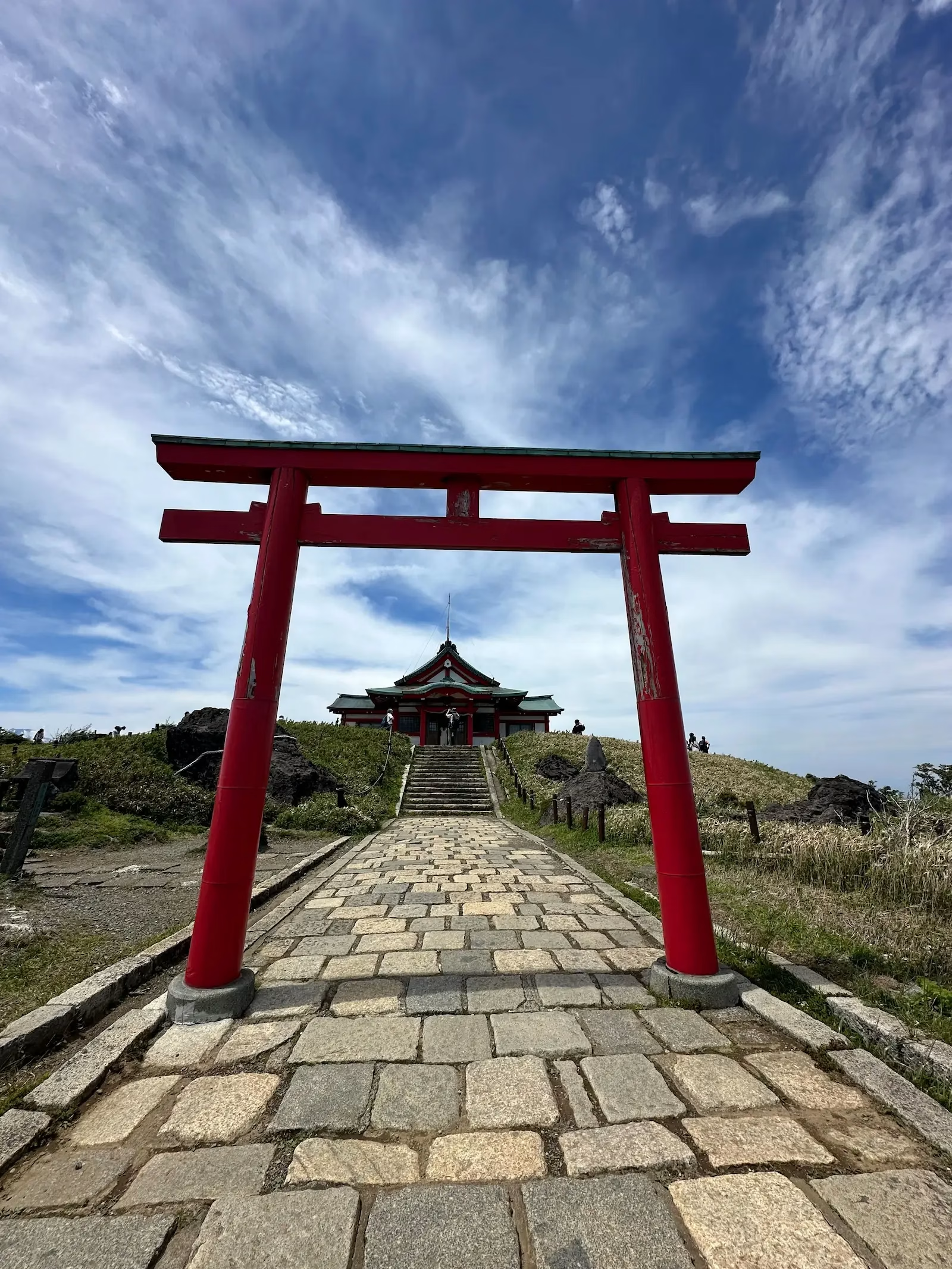
At the summit, you’ll find Hakone Mototsumiya Shrine, a peaceful and spiritual site. Unlike the more crowded Hakone Shrine down by the lake, this mountaintop shrine offers a quiet reverence, allowing for a deeper connection with the serene surroundings. I spent a good amount of time simply walking around the shrine, taking in the crisp mountain air and basking in the incredible views.
If you’re feeling adventurous, you can even go for a short hike to the nearby mountains, exploring trails that offer different perspectives of the landscape. This area is perfect for those who appreciate the quiet grandeur of nature and seek to immerse themselves in it, rather than just observe. It’s an invaluable tip for anyone craving a genuinely peaceful Japanese experience.
As the late afternoon sun began to dip, casting golden hues across the landscape, I decided it was time to descend, feeling utterly refreshed. My plan for dinner was simple: find a local spot that promised authentic flavors, away from the tourist traps. From the base of the Komagatake Ropeway, I hopped on a public bus heading towards Motohakone city center.
Navigating Japan’s public transport can seem daunting, but it’s incredibly efficient and reliable.
Just keep Google Maps handy and don’t hesitate to ask locals for directions; most are incredibly helpful, even with a language barrier.
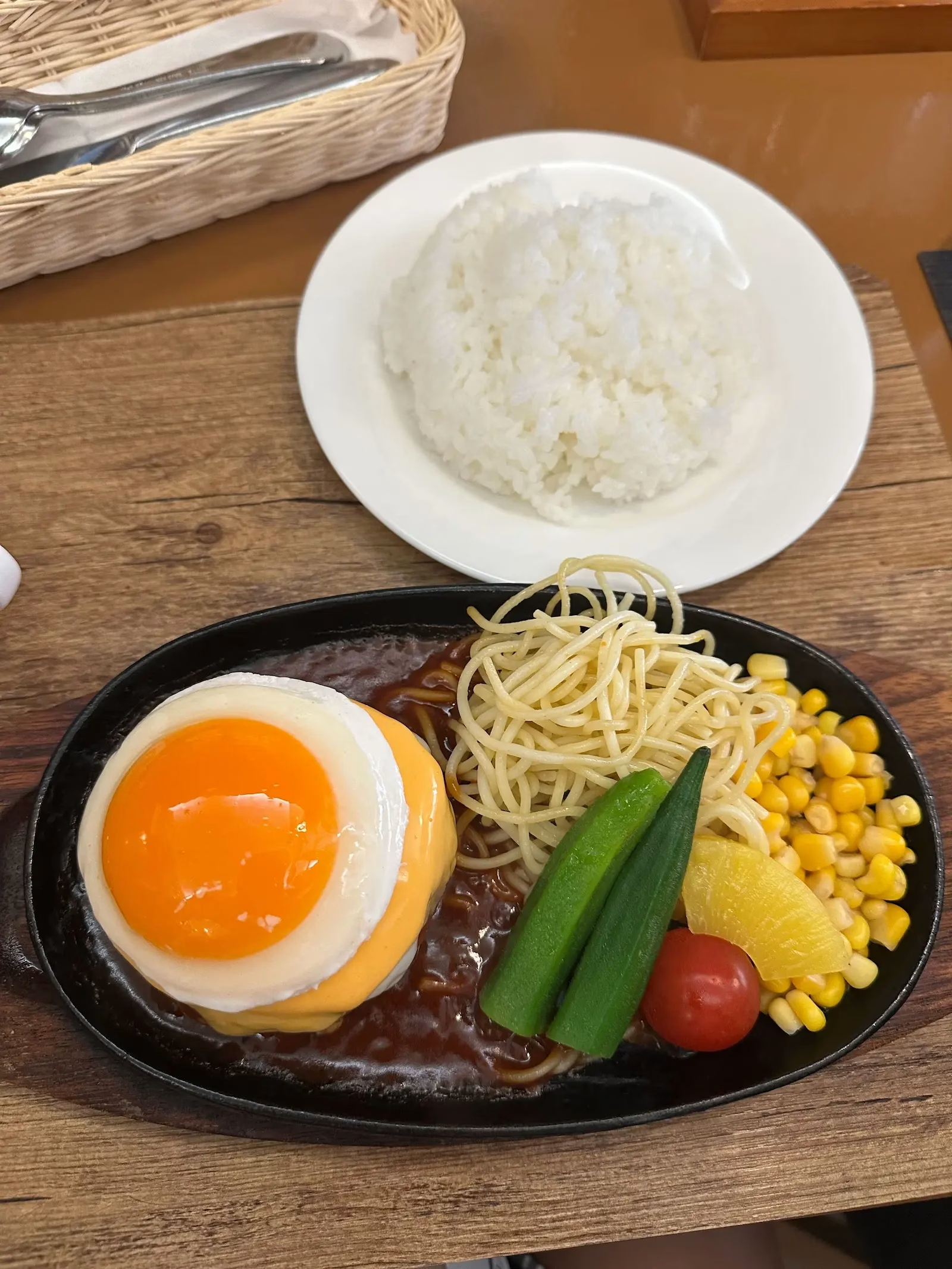
In Motohakone, away from the main tourist drag, I stumbled upon a true gem: Hamburg House. This wasn’t a fancy restaurant; it was a quaint, unassuming spot that only served curry dishes and had just a few seats. It’s places like these that often hold the most authentic flavors and the warmest welcomes. The lovely auntie who managed the restaurant greeted me with a genuine smile. After savoring a truly delicious, hearty curry – exactly what I needed after a day of exploration – I showed her a fortune paper I had gotten earlier from Hakone Mototsumiya Shrine.
Despite the language barrier, she eagerly tried to interpret it for me, her eyes twinkling with warmth and kindness.
If you’re looking for an authentic meal beyond typical guide recommendations, seeking out these small, specialized local eateries, often just off the main streets, is always a winning strategy. You’ll not only taste local flavors but also experience genuine hospitality. For those keen on authentic local eats, this approach is invaluable.
Smart Traveler Takeaways
For real-time updates on weather and conditions, especially for mountain activities, consult the Japan Meteorological Agency website or local tourist information centers.
Another crucial takeaway is the power of a flexible itinerary. While it’s good to have a plan, being able to adapt to unforeseen circumstances, like a partially closed shrine or unexpected weather, can turn a potential disappointment into an opportunity for discovery. My detour to Komagatake was a direct result of this adaptability, and it became the highlight of my trip. It’s also wise to research public transport schedules in advance, especially for evening returns to ensure you don’t get stranded. Apps like Google Maps are indispensable for real-time bus schedules and routes.
Finally, embrace the unexpected connections. The interaction with the auntie at Hamburg House was a beautiful reminder that travel is as much about human connection as it is about sightseeing.
A smile, a gesture, and genuine curiosity can open doors to incredibly rich experiences. It’s often in these quiet, unheralded places that you truly find the soul of a destination, whether you’re navigating the bustling markets of Southeast Asia or the serene mountains of Japan.
For those who enjoy deeper cultural immersion, exploring beyond just major cities, perhaps to places like Hiroshima and Itsukushima, can offer equally profound experiences.
Conclusion: Your Hakone Adventure Awaits
Hakone is more than just a quick escape from Tokyo; it’s a profound experience designed for the discerning traveler.
By adopting these practical tips and embracing a flexible mindset, you’ll not only navigate Hakone with confidence but also uncover its true, tranquil beauty beyond the typical tourist trails.
You have the power to craft an unforgettable journey, one filled with serene landscapes, genuine connections, and quiet moments of reflection. So, pack smart, plan wisely, and let Hakone reveal its magic to you.