



It was almost Christmas when my first journey into the sprawling, vibrant tapestry of Hanoi was an exploration of senses. The city throbbed with a ceaseless rhythm, a symphony of motorbikes, street vendors, and animated conversations. Amidst the charming chaos, I sought a moment of quiet observation, a local corner where I could simply absorb the pulse of the city. I found it in a modest café, tucked away from the main thoroughfare, its low stools spilling onto the narrow pavement. The air inside carried a rich, roasted aroma, distinct from anything I had encountered before.
With a sense of adventure, I pointed to what the menu simply called Cà Phê Sữa Đá.
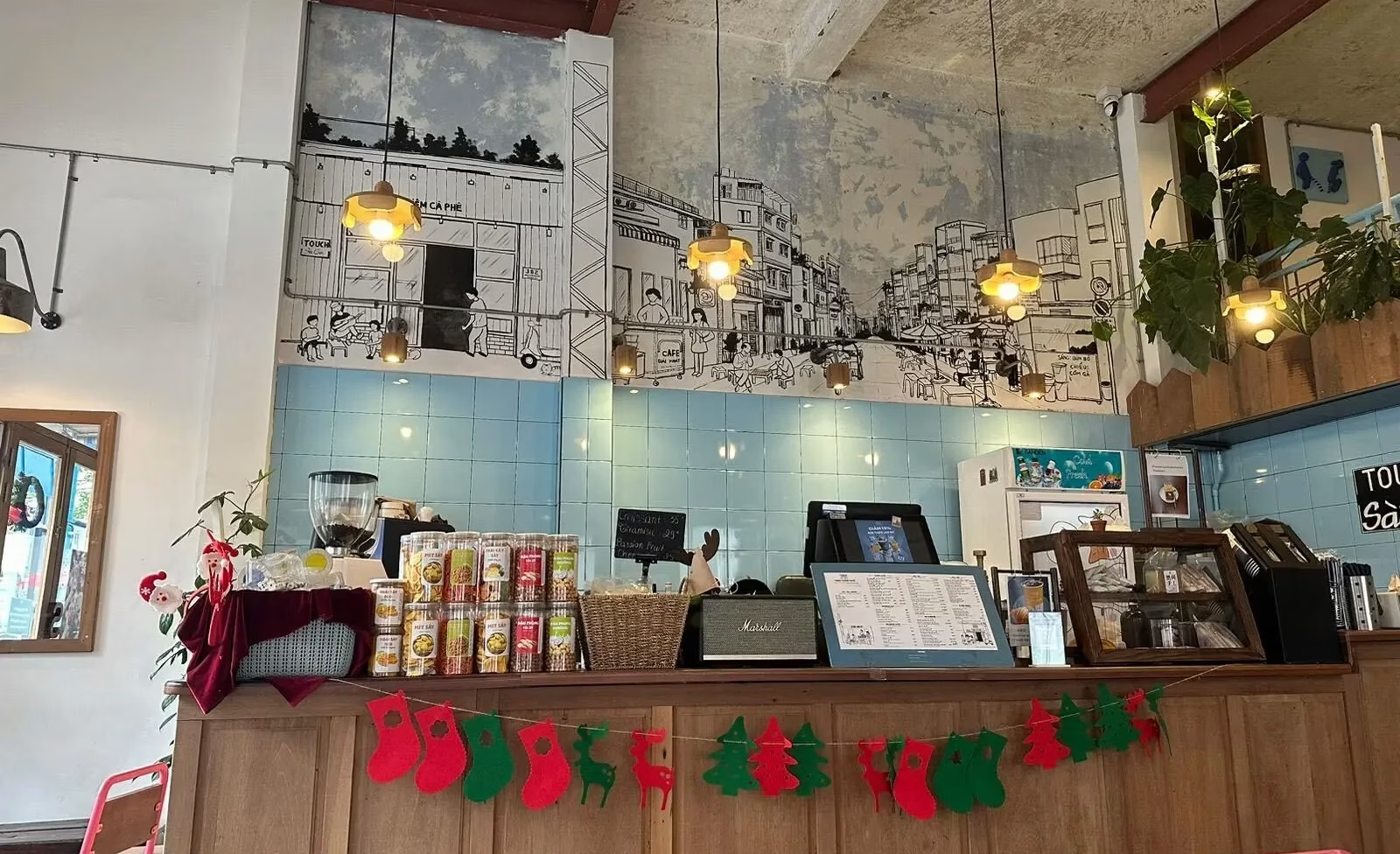
As the barista meticulously set a small, metallic filter atop a glass containing a layer of thick, ivory-colored liquid, a profound sense of anticipation settled over me. What slowly emerged, drop by deliberate drop, was a revelation – a deeply potent, dark liquid descending into the sweetened base, transforming into a swirling, caramel-hued elixir. From that first sip of authentic Vietnamese coffee brew, my understanding of coffee, and indeed, of flavor, was forever altered.
This experience, deeply rooted in the everyday rituals of Vietnam, encapsulates why this particular brew stands out on the global stage. Vietnamese coffee, with its distinctive preparation and robust character, offers a profound insight into the nation’s spirit.
Beans, Brew, and Sweetness
The unique character of Vietnamese coffee isn’t accidental; it’s the result of three specific components working in perfect harmony. Each element plays a crucial role in creating the final, unforgettable brew.
| Element | Key Characteristic | Impact on the Final Brew |
|---|---|---|
| The Robusta Bean | High Caffeine, Low Acidity | This is the heart of Vietnamese coffee. Unlike the milder Arabica bean popular elsewhere, Robusta provides a powerful, earthy, and bold flavor with deep chocolatey notes. Its lower acidity and higher caffeine content create an incredibly strong, rich, and potent base that stands up to the sweetness of the milk. |
| The Phin Filter | Slow-Drip Gravity Brew | This simple metal filter is the key to the coffee’s signature intensity. The slow, patient, gravity-fed drip method ensures maximum extraction from the coffee grounds. This process produces a thick, concentrated, and full-bodied brew, capturing every bit of Robusta’s powerful flavor in a way automatic machines cannot replicate. |
| Sweetened Condensed Milk | Creamy & Sweet | The perfect partner to Robusta’s intensity. Historically used because fresh milk was scarce, its thick, creamy texture and sugary taste masterfully cut through the coffee’s natural bitterness. It creates a harmonious, balanced, and velvety-smooth drink that is both a powerful stimulant and a decadent treat. |
The Power of Robusta
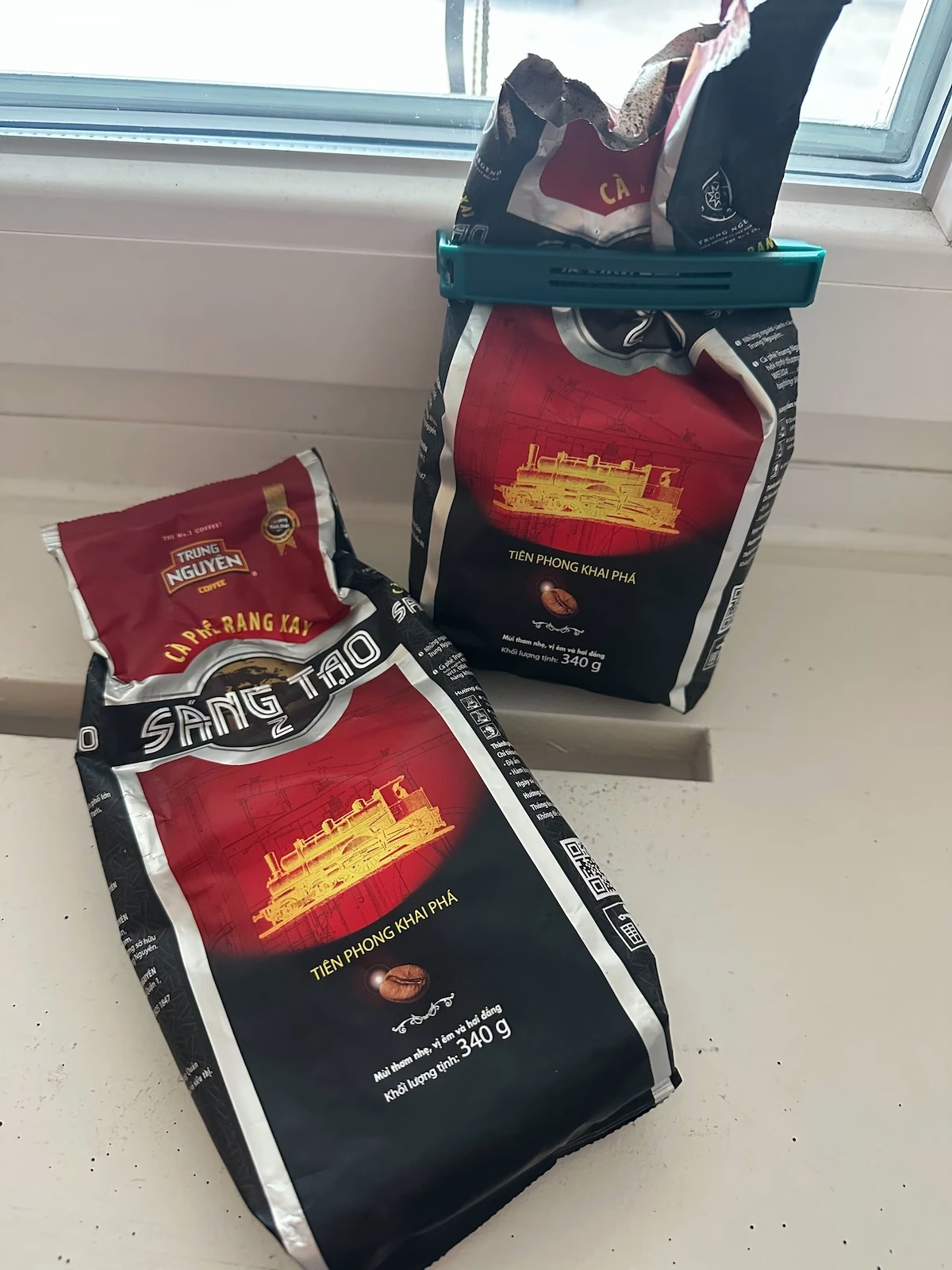
Unlike many Western coffee traditions that prioritize Arabica beans, Vietnamese coffee predominantly utilizes Robusta.
When roasted to a dark, often oily finish, as is common in Vietnam, these beans develop a pungent aroma and contribute to the formation of a thick, persistent crema – a reddish-brown foam that crowns the surface of the freshly brewed coffee. The cultivation of Robusta in Vietnam’s central highlands, with its specific climate and soil composition, further enhances these intrinsic qualities.
For a deeper understanding of these bean types, one might explore resources detailing the differences between Robusta vs Arabica, and here’s a summarized comparison:
Robusta vs. Arabica: A Tale of Two Beans
To truly appreciate why Vietnamese coffee is so distinct, it helps to understand its foundation: the Robusta bean. Here’s a quick comparison against the more globally common Arabica bean.
| Feature | Robusta (The Heart of Vietnamese Coffee) | Arabica (The Global Standard) |
|---|---|---|
| Caffeine Content | High (Approx. 2.5% or more) | Lower (Approx. 1.5%) |
| Flavor Profile | Bold, strong, earthy, with chocolatey and nutty notes. | Fruity, sweet, floral, with bright and aromatic notes. |
| Acidity | Low | High |
| Body | Full, syrupy, and more viscous. | Lighter, smoother, and more delicate. |
| Growing Conditions | Thrives in hot climates and at lower altitudes. More resilient. | Prefers mild climates and requires high altitudes to flourish. |
| Bean Shape | Small and circular. | Larger and oval. |
The Magic of Phin Filter
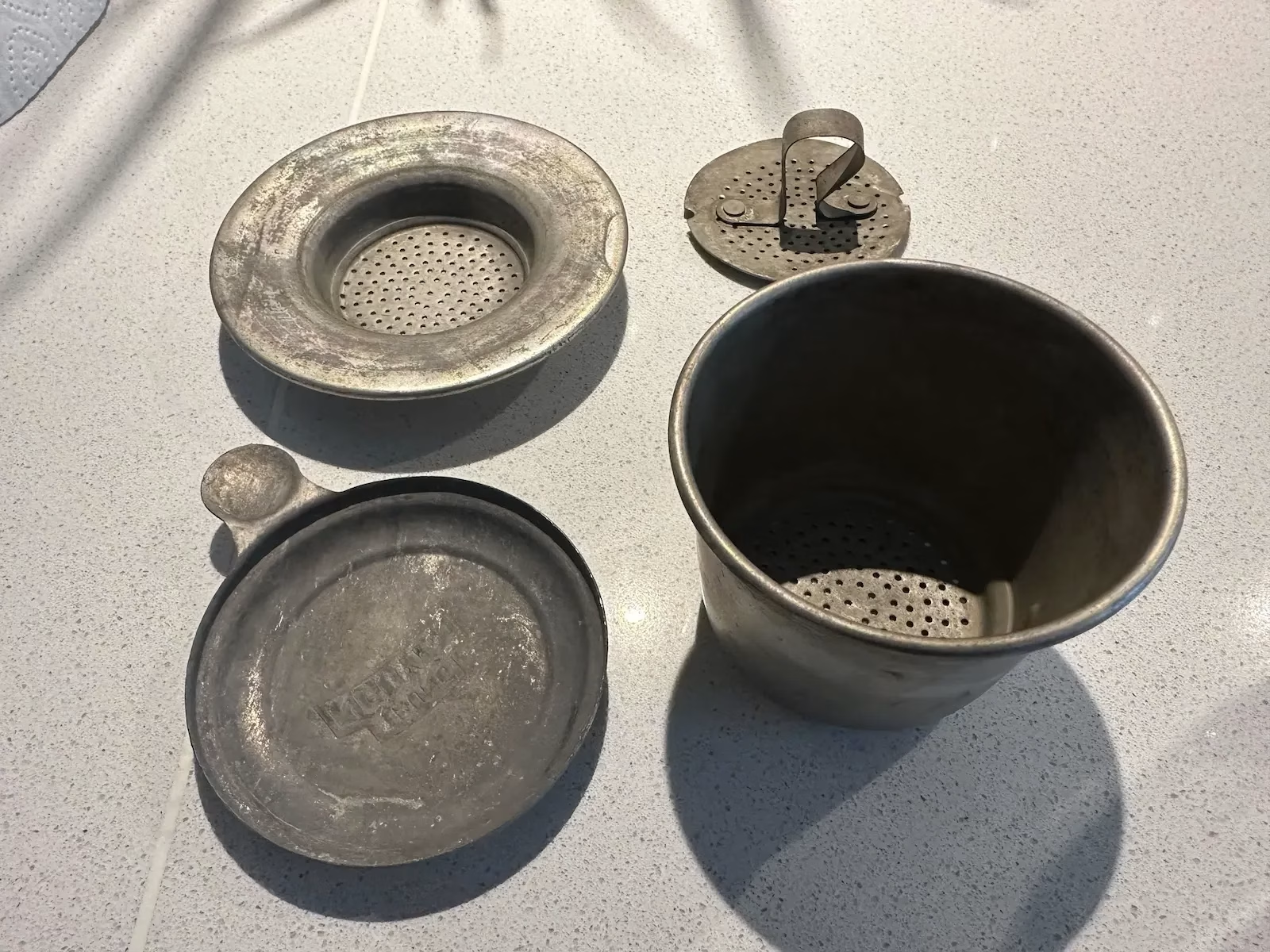
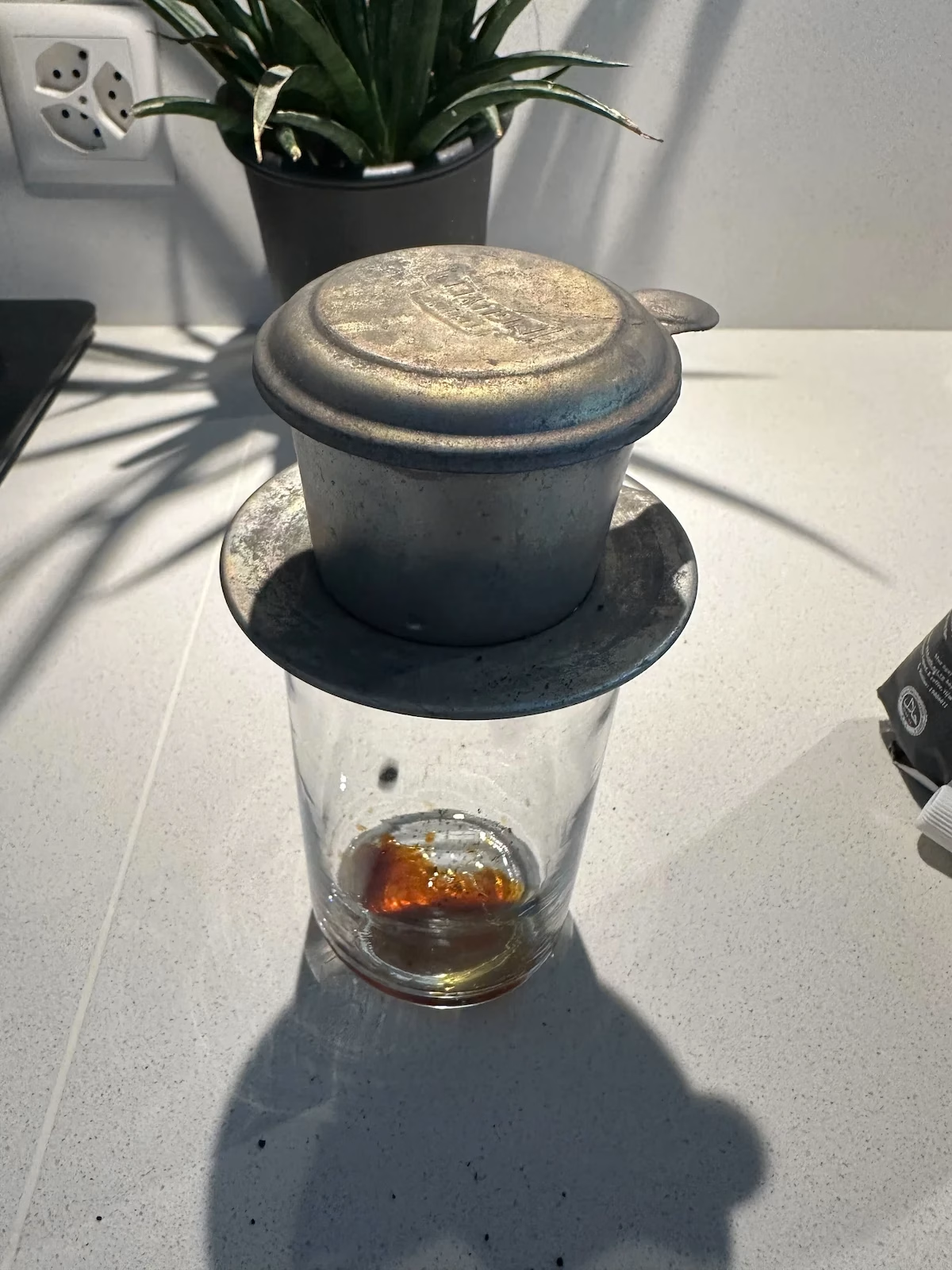
The heart of the authentic Vietnamese coffee brew lies in the Phin filter, a simple yet remarkably effective brewing device. This small, individual metal drip filter comprises a round perforated plate, a brewing chamber, a tamper or press, and a lid.
The process is one of patient, gravity-driven extraction. Finely ground coffee is placed in the chamber, gently tamped down, and then hot water, just off the boil, is poured over the grounds. What follows is a slow, methodical drip, a visual meditation as the dark, viscous liquid descends, one precious drop at a time, into the waiting cup below.
The process is a quiet ritual, a moment of anticipation.
The Sweetness of Condensed Milk
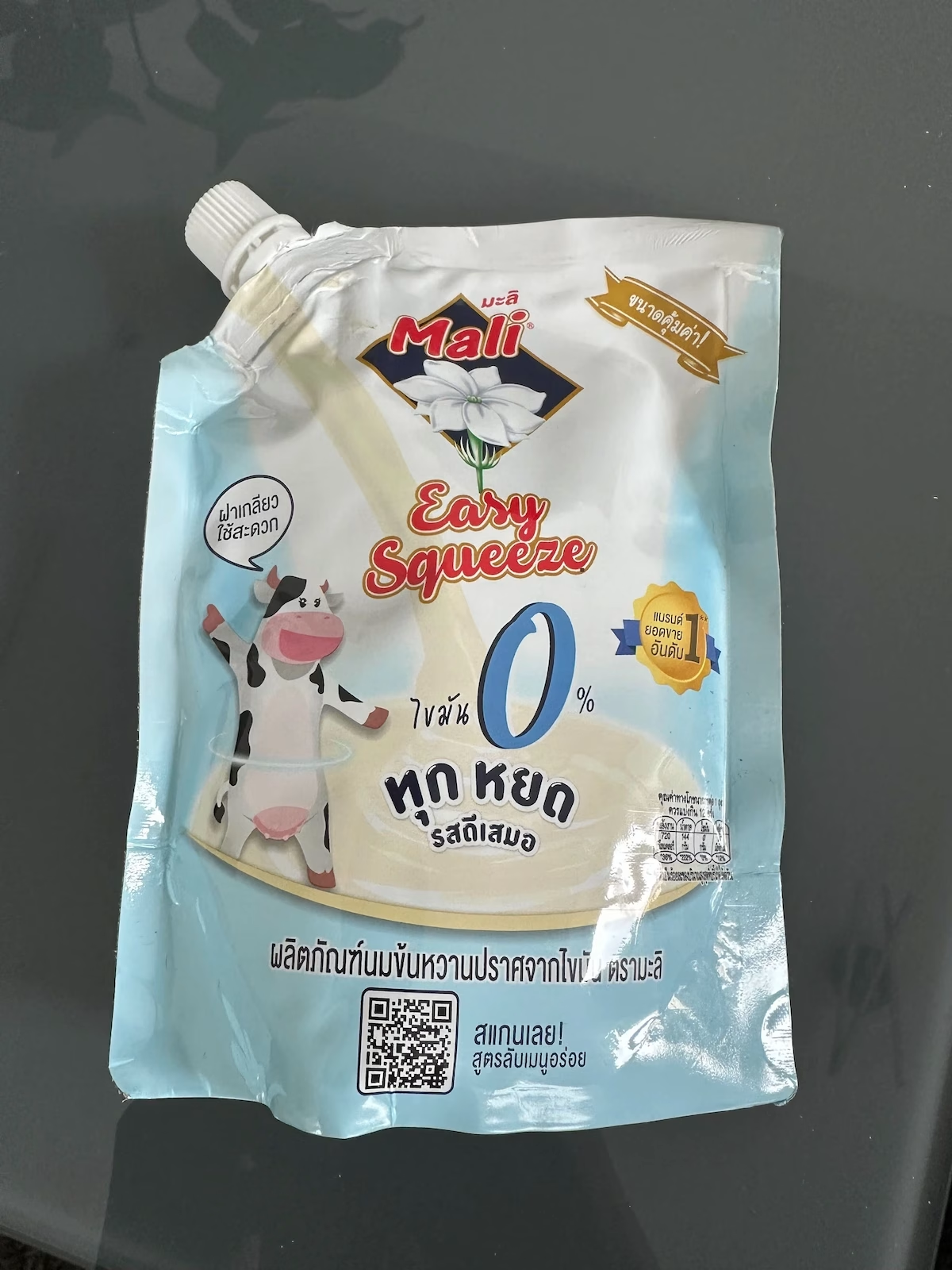
The use of sweetened condensed milk is perhaps the most iconic partner to Vietnamese coffee.
Its inclusion is rooted in history, specifically the challenges of refrigeration in a tropical climate where fresh milk was not always readily available or easily preserved.
Condensed milk, with its long shelf life and inherent sweetness, provided a practical solution. Objectively, it contributes several key sensory dimensions.
Vietnamese Coffee Varieties
The foundation of Robusta, the Phin, and condensed milk gives rise to a captivating array of coffee drinks, each with its own distinct personality and place in Vietnamese daily life. From the iconic classic to regional specialties, exploring these varieties is a journey in itself.
| Variety | Primary Ingredients | Flavor Profile & Experience |
|---|---|---|
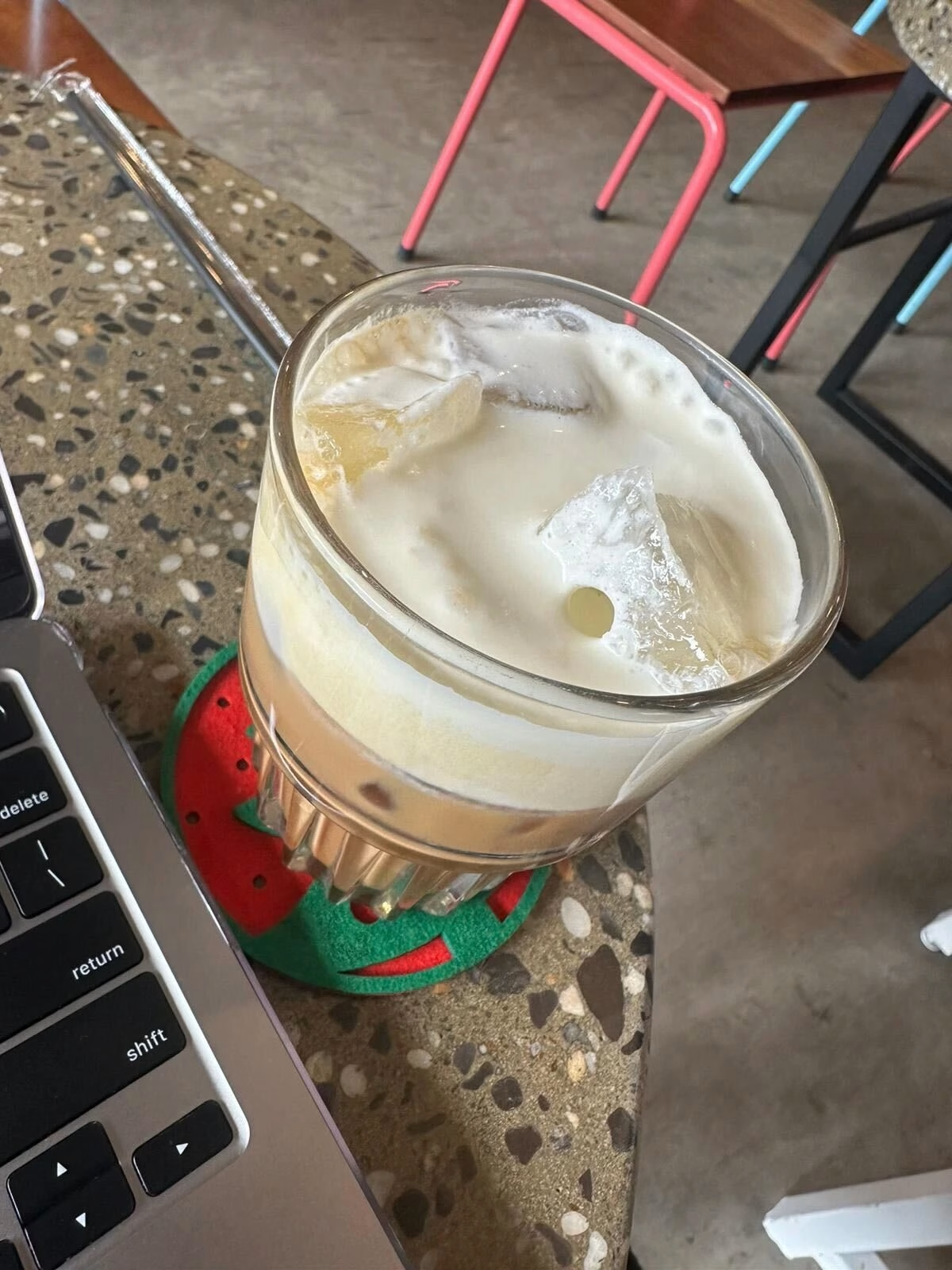
| Cà Phê Sữa Đá (Iced Coffee with Milk) | Dark Roast Robusta, Sweetened Condensed Milk, Ice | The National Icon. A perfect balance of bold, chocolatey coffee and creamy, sweet condensed milk. Served over ice for a smooth, potent, and refreshing kick. |
| Cà Phê Đen Đá (Iced Black Coffee) | Dark Roast Robusta, Ice, Optional Sugar | Pure and Intense. A powerful, smoky brew with notes of dark chocolate and nuts. Served over ice, it delivers a straight, unfiltered caffeine hit. Sugar is optional to soften the bitterness. |
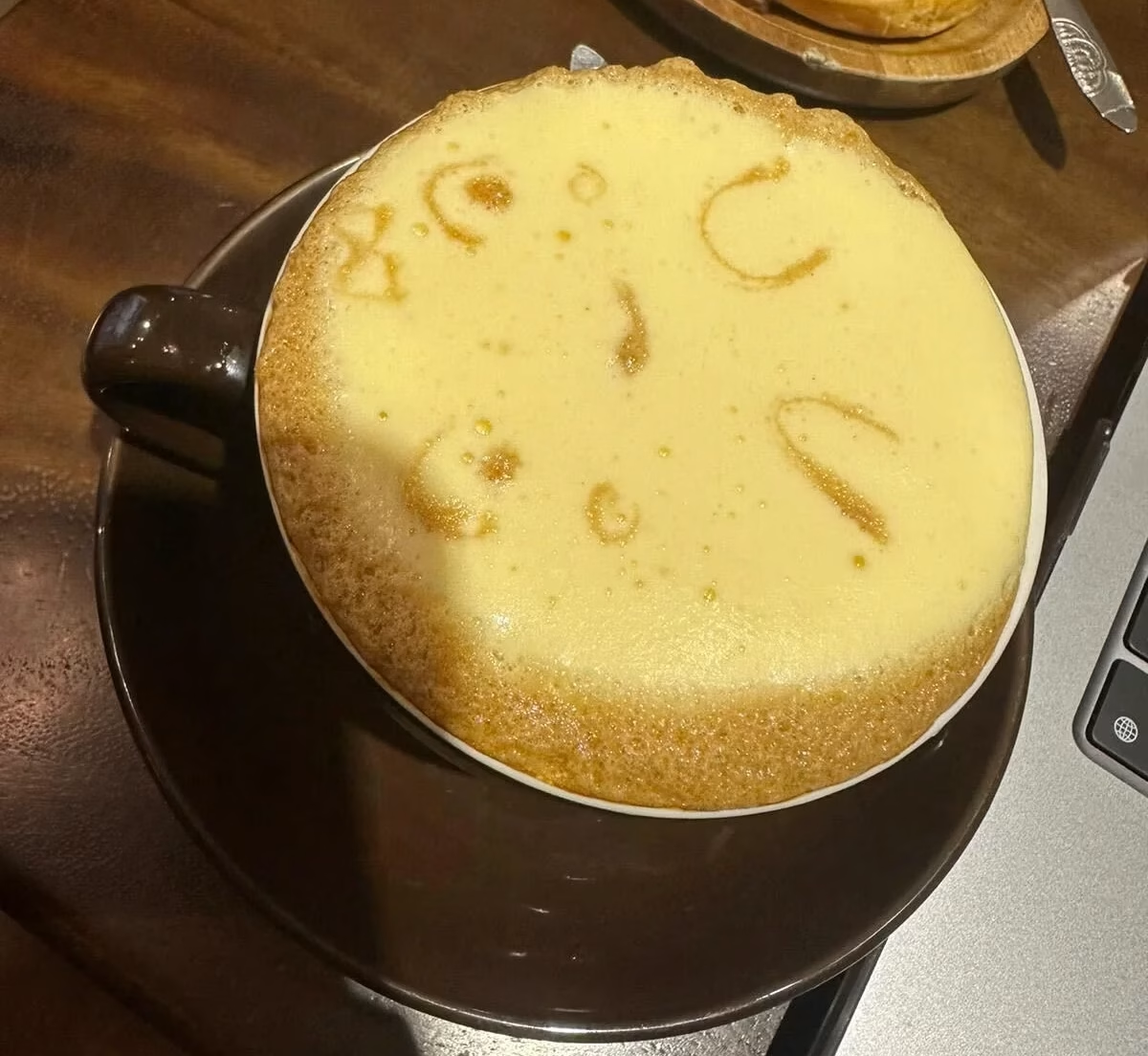
| Cà Phê Trứng (Egg Coffee) | Robusta Coffee, Egg Yolk, Sweetened Condensed Milk, Sugar | A Hanoi Specialty. A rich, dark coffee topped with a velvety, sweet cream made from whisked egg yolks. The taste is famously compared to a liquid tiramisu—creamy, rich, and unique. |
| Cà Phê Cốt Dừa (Coconut Coffee) | Robusta Coffee, Coconut Cream, Sweetened Condensed Milk, Ice | A Tropical Delight. Strong coffee blended into a frozen slush of coconut cream. The result is a sweet, frosty, and fragrant drink—like a coffee smoothie perfect for hot days. |
| Bạc Xỉu (Faded Coffee) | More Sweetened Condensed Milk than Coffee, Hot Water/Ice | Milk First, Coffee Second. Essentially hot milk with just a splash of coffee. This drink is much sweeter, milkier, and less intense—a gentle introduction to Vietnamese coffee flavors. |
|
|
A History of Vietnamese Coffee
The story of coffee in Vietnam is a rich narrative of colonial introduction, resourceful adaptation, and eventual cultural embrace. It’s a journey that transformed a foreign crop into a beverage that is undeniably Vietnamese, reflecting the nation’s own history of resilience and ingenuity.
The Colonial Seed (1857)
Coffee’s journey to Vietnam began in 1857, not as a commercial enterprise, but on a small, personal scale. French Catholic missionaries were the first to introduce the Arabica coffee tree to the northern region of Tonkin. For decades, cultivation remained limited, serving primarily the tastes and needs of the French colonists. The local population had little access to or interest in this bitter foreign drink. The initial plantations were experiments, attempts to recreate a piece of French life in a new land.
The Rise of Robusta and the Central Highlands
The true turning point came in the early 20th century. While Arabica plants struggled with the climate in many areas, the French discovered that the fertile, volcanic soil of the Central Highlands was the perfect environment for a different, hardier species: Robusta. This resilient bean thrived in the hot, humid conditions, and the region around Buon Ma Thuot quickly became the epicenter of a burgeoning coffee industry. This shift from the delicate Arabica to the bold Robusta was not just an agricultural decision; it was the moment the foundation for Vietnam’s unique coffee identity was laid.
Vietnamese Ingenuity: The Birth of a New Tradition
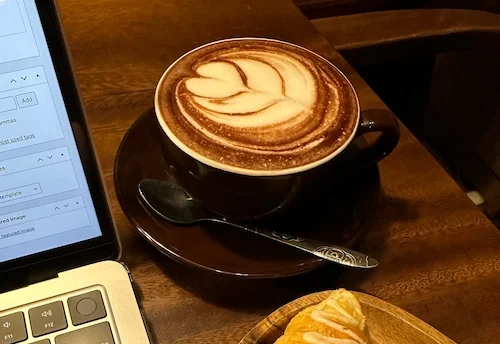
As coffee became more available, the Vietnamese people began to adapt it to their own tastes and circumstances. This is where true innovation took place:
- The Condensed Milk Solution: In a tropical climate with limited access to refrigeration, fresh milk was a luxury that spoiled quickly. Resourceful Vietnamese brewers turned to sweetened condensed milk, which was shelf-stable and readily available.
- The Egg Coffee Legend (1940s): The creation of Cà Phê Trứng is a testament to creativity in times of scarcity. During the First Indochina War in the 1940s, a bartender at Hanoi’s Sofitel Legend Metropole Hotel named Nguyen Van Giang faced a severe milk shortage. As a substitute, he began whisking egg yolks with sugar to create a creamy, frothy topping for the coffee. The resulting drink was a sensation, and he later left to open the now-famous Giảng Café in Hanoi, which still serves his legendary recipe.
From Economic Driver to Cultural Icon
After the turmoil of the Vietnam War, the unified government identified coffee as a key component of its economic revival strategy. Following the Đổi Mới (renovation) reforms of 1986, the state heavily invested in coffee cultivation. This led to an explosive boom in production, transforming Vietnam into the world’s second-largest coffee producer and the undisputed king of Robusta.
Today, coffee is woven into the very fabric of Vietnamese society. Sidewalk cafes, with their clusters of low plastic stools, are bustling hubs of daily life—places for morning rituals, business meetings, and long conversations with friends.
Recreating the Authentic Vietnamese Coffee Brew at Home
The beauty of Vietnamese coffee is that its authentic preparation is remarkably accessible. To truly appreciate its distinctive qualities, investing in a Phin filter is paramount. These inexpensive and durable filters are widely available online or in Asian markets. Here’s a basic guide:
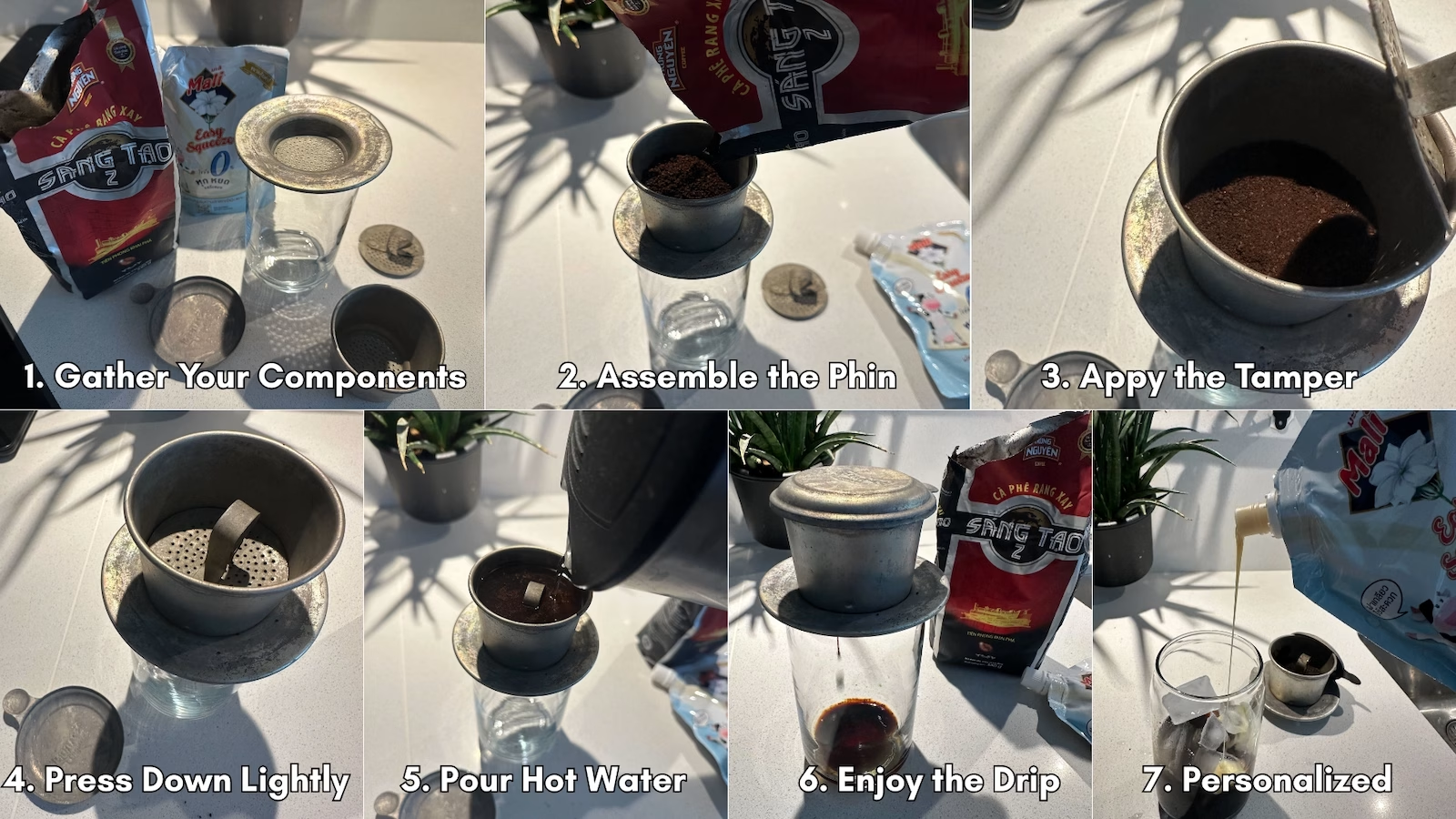
- Gather Your Components: You will need a Phin filter set (the brewing chamber, tamper, and lid), dark roasted Vietnamese Robusta coffee grounds (medium-coarse grind), hot water (just off the boil, around 200°F/93°C), and sweetened condensed milk.
- Assemble the Phin: Place the Phin’s perforated base plate over the rim of your serving glass. Add 2-3 tablespoons of coffee grounds into the Phin’s chamber.
- Apply the Tamper: Gently place the tamper (or press) over the coffee grounds. Press down lightly to ensure the grounds are compact but not overly compressed. This prevents the water from flowing too quickly.
- Initial Bloom: Pour a small amount of hot water (about 1-2 tablespoons) over the tamped grounds. This allows the coffee to “bloom” for about 30 seconds, releasing gases and preparing the grounds for optimal extraction. You’ll observe the grounds expanding slightly.
- The Main Pour: Fill the Phin filter with hot water, almost to the top. Place the lid on top. The water will begin to drip slowly into the glass below. This process typically takes 4-7 minutes, depending on the grind and tamper pressure.
- Enjoy the Drip: Patiently observe the dark, concentrated coffee slowly dripping. This is part of the ritual and ensures a strong brew. Once the dripping stops, remove the Phin.
- Stir and Serve: If you used condensed milk, stir the coffee vigorously to fully incorporate the milk, creating a uniform, creamy beverage. For iced coffee, add a generous amount of ice.
This patient brewing method, which allows for a deep, slow extraction, is central to the intensity and body of Vietnamese coffee.
Sourcing Authentic Vietnamese Coffee for Home Brewing
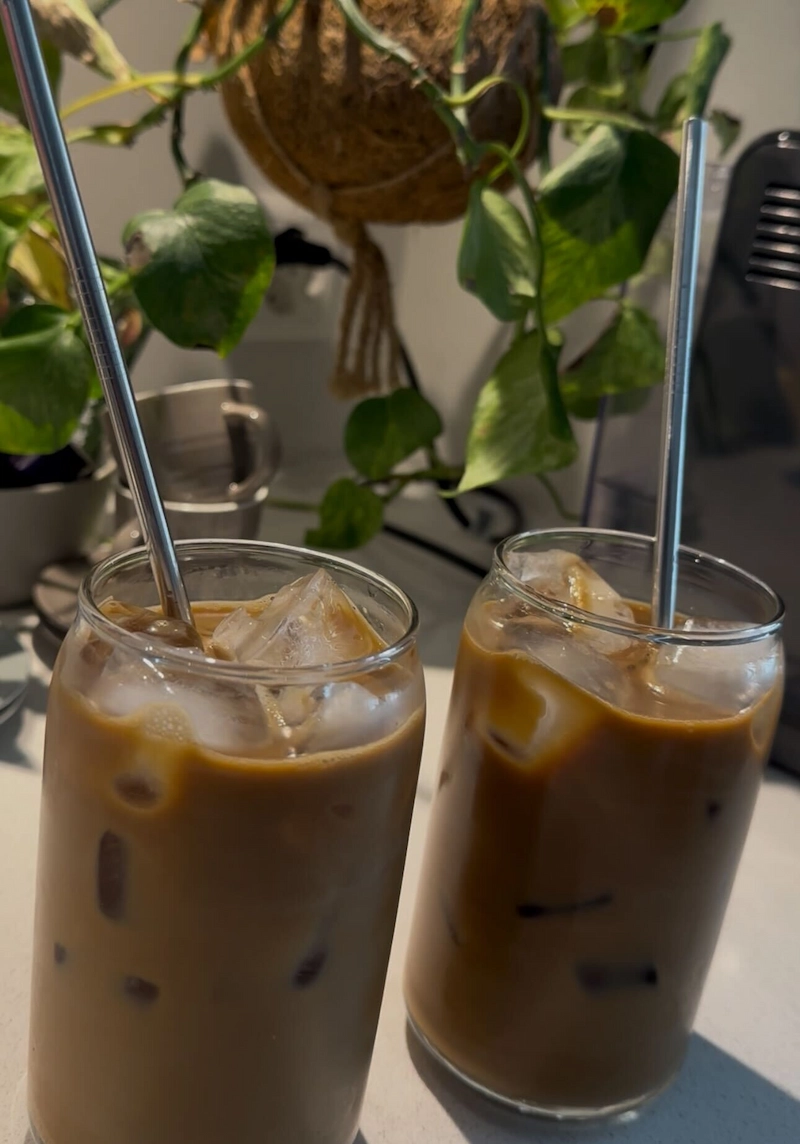
While an authentic street food market in Hanoi provides the quintessential experience, recreating that perfect cup at home is entirely feasible with the right ingredients. Getting your hands on authentic beans and the proper tools is the most important step.
Here’s a guide to the best brands and where to find them.
Top Brands to Look For
Not all dark roasts are created equal. For a true Vietnamese coffee experience, look for these trusted brands that specialize in the traditional Robusta blend:
- Trung Nguyen Legend: (My absolute favorite!) This is arguably the most famous coffee brand from Vietnam and is widely available internationally. Their “Creative” (Sáng Tạo) series offers a range of blends, with Creative 8 being a premium choice and Creative 1 being a classic, powerful Robusta.
- Vinacafe: Another heritage brand with a long history in Vietnam. Vinacafe is known for its consistent quality and is a reliable choice for a classic, balanced brew. They also produce popular 3-in-1 instant coffee packets.
- Chestbrew Coffee: Often found on online marketplaces like Amazon, Chestbrew specializes in coffee specifically ground for the Phin filter. Their “Bad Ass Brew” is a very strong, dark roast designed to produce a potent and authentic cup.
- Nguyen Coffee Supply: For those in the U.S. looking for a more premium, specialty experience, this Brooklyn-based company imports and roasts single-origin beans directly from Vietnam. They offer both 100% Robusta and Arabica/Robusta blends.
Where to Buy Your Coffee and Phin Filter

Once you know what you’re looking for, you can find authentic Vietnamese coffee in several places:
- Local Asian Grocery Stores: This is often your best bet for both authenticity and price. You can typically find brands like Trung Nguyen and Vinacafe, as well as the essential Phin filters themselves, which are usually very inexpensive.
- Online Retailers: For the widest selection, online stores are unbeatable. Amazon carries multipacks of most major brands. For specialty options, dedicated importers like Nguyen Coffee Supply or other online coffee retailers are excellent choices.
- Major Supermarkets: As Vietnamese cuisine becomes more popular, many larger supermarkets are starting to stock these brands. Be sure to check the international food aisle or the main coffee section.
When selecting, always prioritize packages that specify “Robusta” and a dark roast. For the freshest and most flavorful brew, choose whole beans and grind them yourself just before brewing.
As with any beverage, moderation is key, especially given the potency of an authentic Vietnamese coffee brew. The experience itself, the deliberate act of preparing and savoring the coffee, can be a moment of mindful enjoyment. Companies like Trung Nguyen have also invested in sustainable practices, ensuring that the journey from bean to cup is mindful of both quality and environmental responsibility.
Conclusion: A Brew Beyond Compare
The authentic Vietnamese coffee brew stands as a testament to the profound connection between culture, ingenuity, and the sensory experience. Its distinct character, shaped by the assertive Robusta bean, the patient Phin filter, and the rich embrace of condensed milk, creates a beverage that is simultaneously invigorating and comforting.
It is a flavor profile that speaks to centuries of tradition and adaptation, a daily ritual that anchors communities across the nation, from its bustling metropolises to its tranquil, under-the-radar towns in Vietnam.
The world of Asian cuisine is vast and endlessly fascinating, full of flavors that tell stories of their origins. Allowing yourself to delve into the nuances of something as seemingly simple as a cup of coffee opens a gateway to a deeper appreciation of culinary traditions and the rich tapestry of global food culture. May your next cup of authentic Vietnamese coffee brew be a step on your own path of delicious discovery.
Frequently Asked Questions (FAQ)
| What makes Vietnamese coffee so strong? | The strength comes from using Robusta beans, which have nearly double the caffeine of Arabica beans. The slow-drip phin filter method also creates a very concentrated, potent brew. |
| Is Vietnamese coffee always served with condensed milk? | No. While coffee with condensed milk (Cà Phê Sữa) is the most iconic version, you can also enjoy it black (Cà Phê Đen), often with a little sugar. There are also unique variations like egg coffee and coconut coffee. |
| Can I use a regular coffee filter to make Vietnamese coffee? | For the most authentic taste and intensity, a phin filter is essential. Its slow-drip process is key to the signature flavor. Regular paper filters brew too quickly and won’t produce the same concentrated result. Phin filters are very affordable and widely available online or in Asian markets. |