

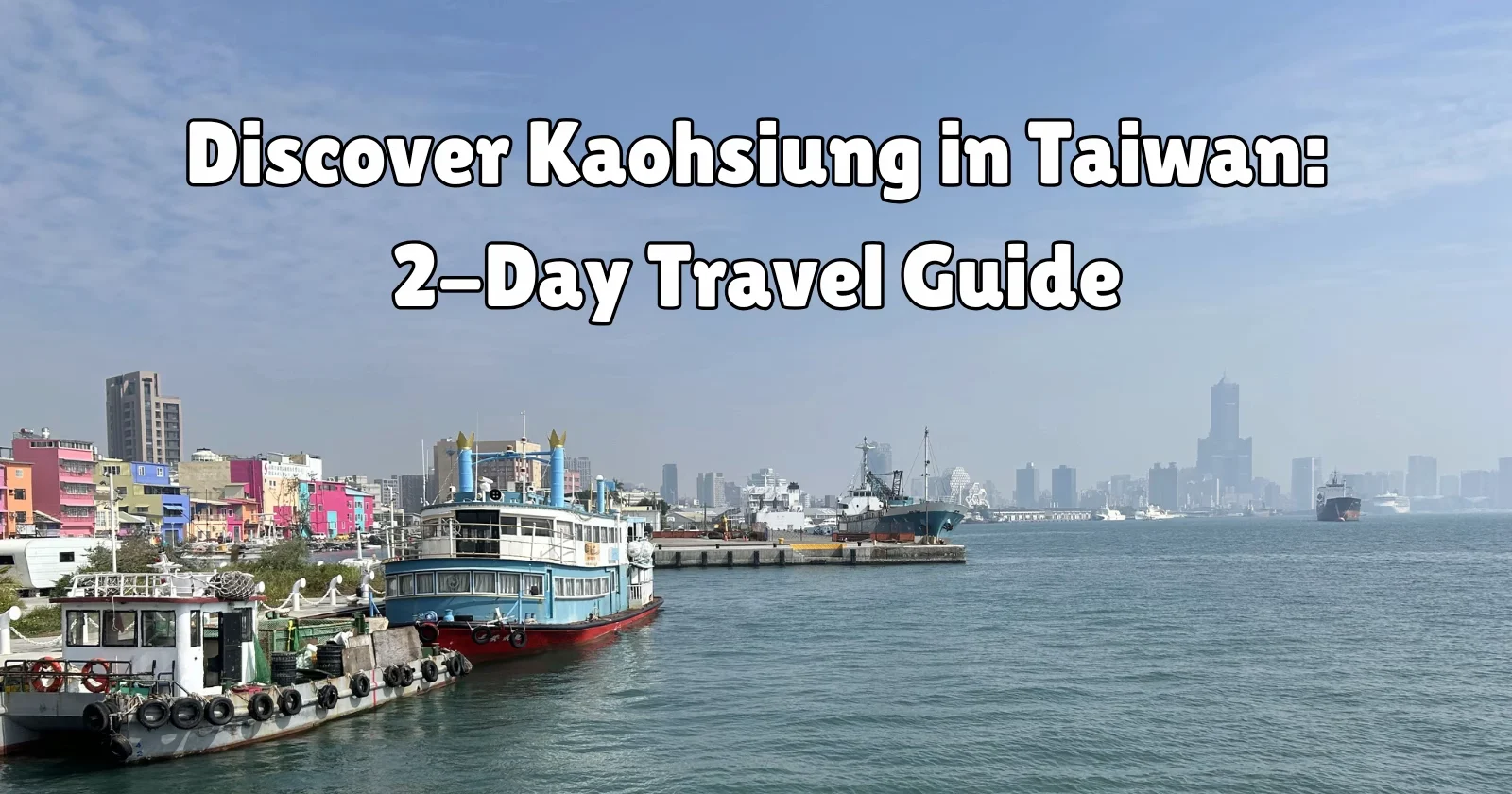
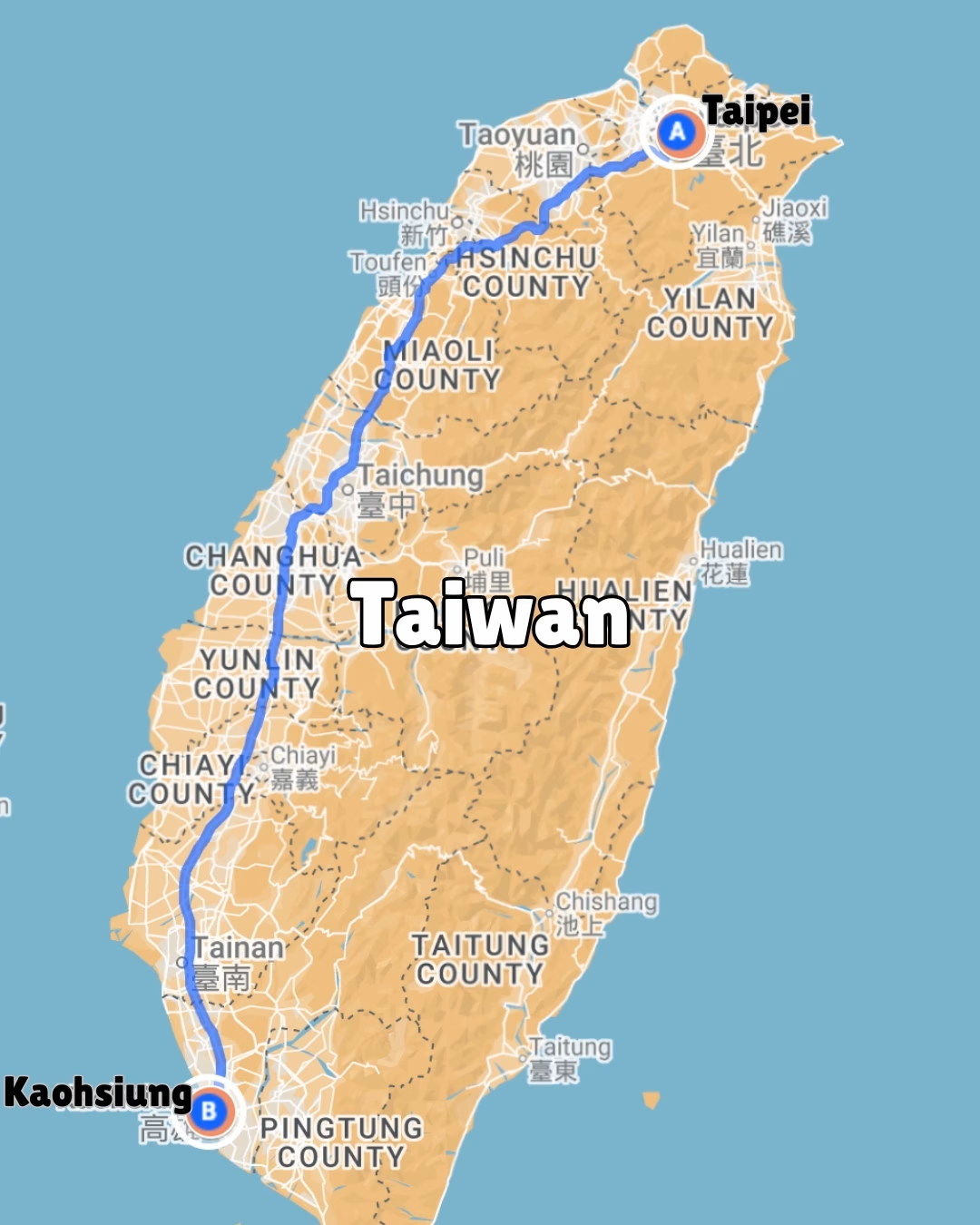
Is it worth travelling all the way to the south of Taiwan to explore Kaohsiung? Absolutely, and with the Taiwan High Speed Rail, you can get there directly in just 1 hour and 34 minutes. When I was planning my trip to Taiwan with my partner, I wasn’t sure which cities in Taiwan were worth visiting. I can already say this much: Kaohsiung is definitely worth spending two days exploring.
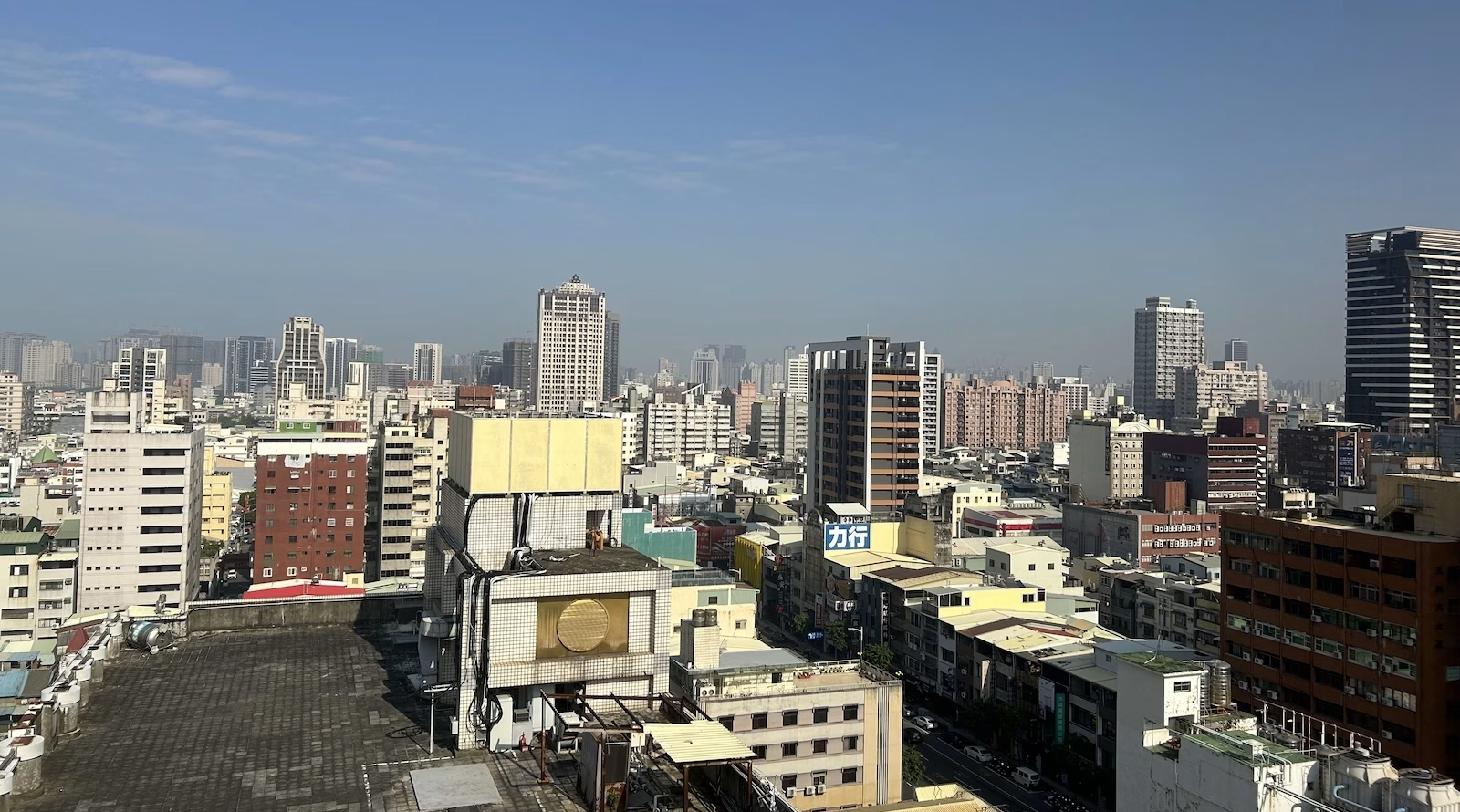
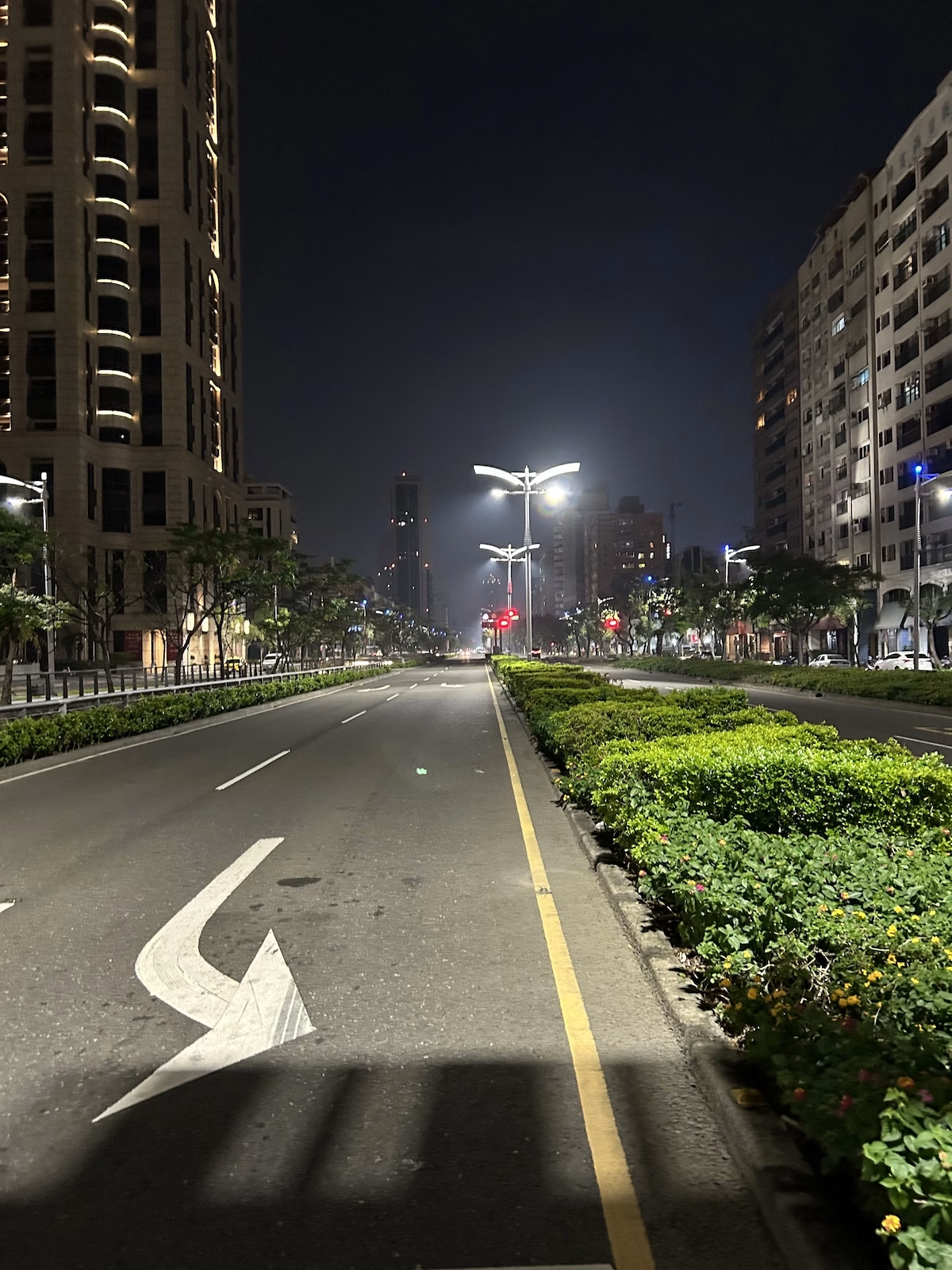
What immediately struck us, however, was the city’s unique, almost surreal sense of space. Unlike the constant buzz of Taipei, Kaohsiung feels remarkably relaxed, at times, surprisingly so. We found ourselves wandering past towering skyscrapers that seemed almost empty and walking through wide streets that were nearly silent on weekday evenings. It gives the city a very special, atmospheric vibe, a mix of grand urban ambition and quiet coastal calm that makes exploring it feel like you’ve discovered a hidden secret before the rest of the world arrives.
In this ultimate 2-day travel guide, I’ll take you on a journey to Kaohsiung’s top attractions, so you’ll have time to focus on what matters most: enjoying Kaohsiung and its laid-back coastal atmosphere.
Top Kaohsiung Attractions in this 2-Day Itinerary
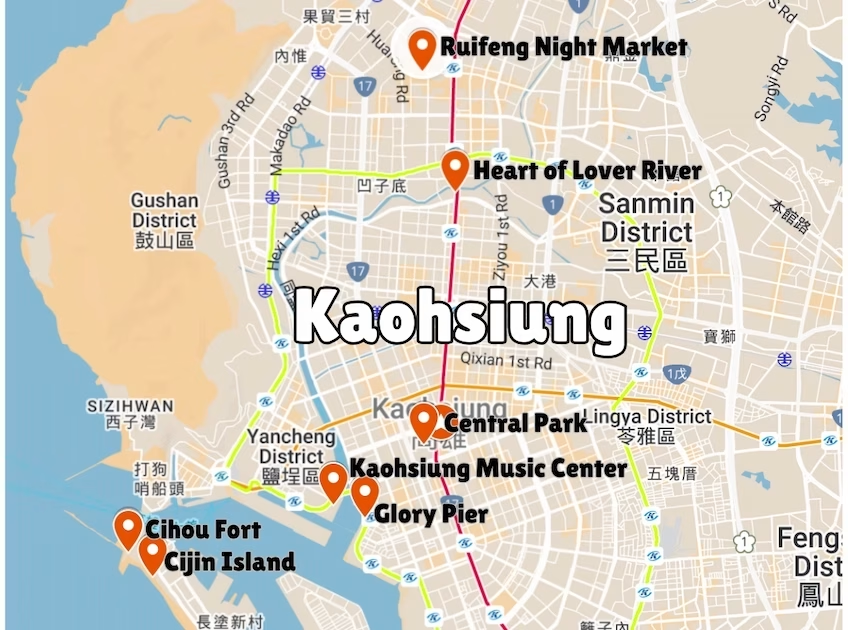
To help you navigate your trip, here are the specific locations and landmarks highlighted in this guide:
- Ruifeng Night Market: The go-to local spot for authentic street food and a lively atmosphere.
- Heart of Lover River: A peaceful, architecturally beautiful waterfront area perfect for nighttime photography.
- Central Park: A sprawling green space in the city center known for its festive light displays.
- Kaohsiung Music Center: A stunning modern landmark that defines the city’s new skyline.
- Glory Pier: A relaxed harbor-side promenade great for cycling and catching the sea breeze.
- Cijin Island: A historic district accessible by ferry, famous for its beaches and fresh seafood.
- Cihou Fort: A hilltop historic site offering the most iconic panoramic views of the Kaohsiung harbor.
Kaohsiung Day 1 Itinerary
Where We Stayed & Ate: Our Recommendations
We stayed at Greet Inn Hotel, and I’d highly recommend it if you want a base that feels brand new. The design is modern and minimalist, but the real value is in the specific amenities:
- The Room & Bathroom: The rooms are surprisingly large for a city hotel. The highlight for us was the bathroom, it was sleek and featured a large freestanding bathtub, which was perfect for relaxing after a long day of walking.
- Practical Amenities: We made full use of the on-site washing machines, a huge plus if you’ve been traveling for a while and need to refresh your gear.
- Small Gym: There is a compact gym on-site if you want to get a quick workout in.
- Location: It’s positioned perfectly, quiet enough for a good night’s sleep, but just steps away from several excellent local eateries.
You can see exactly where the hotel is located on the map below:
Dinner: A Local Gem Around the Corner
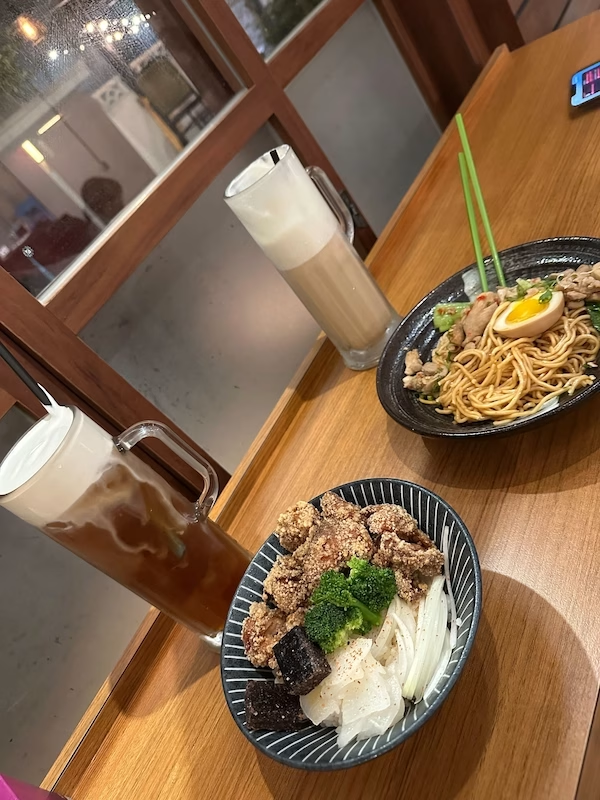
Since we arrived in the late afternoon, we wanted a dinner spot that was walkable and authentic. We found DaGoodMan (大骨麵dagoodman), a rustic-industrial space just a short stroll from the Greet Inn. It was packed with locals, which is always the best indicator of quality.
The menu was mostly in Mandarin, but we used translation apps to point and order. We had the Taiwanese fried chicken and the spicy chicken noodles, both of which were delicious and felt like a true local meal. They serve milk tea in massive jugs, which was the perfect pairing for the spicy broth. It’s a great spot to embrace the adventure of eating where the locals go rather than following the English menus.
The Night Walk: Heart of Love River & Central Park
After dinner, we set out to see the “Heart of Love River.” I had assumed it might be a bit of a tourist trap, but I was wrong. Near the intersection of Bo’ai and Minsheng Roads, a stunning S-shaped bridge connects two heart-shaped lakes. It felt like a quiet urban oasis, offering fresh air and a sense of tranquility that was a welcome change after traveling.
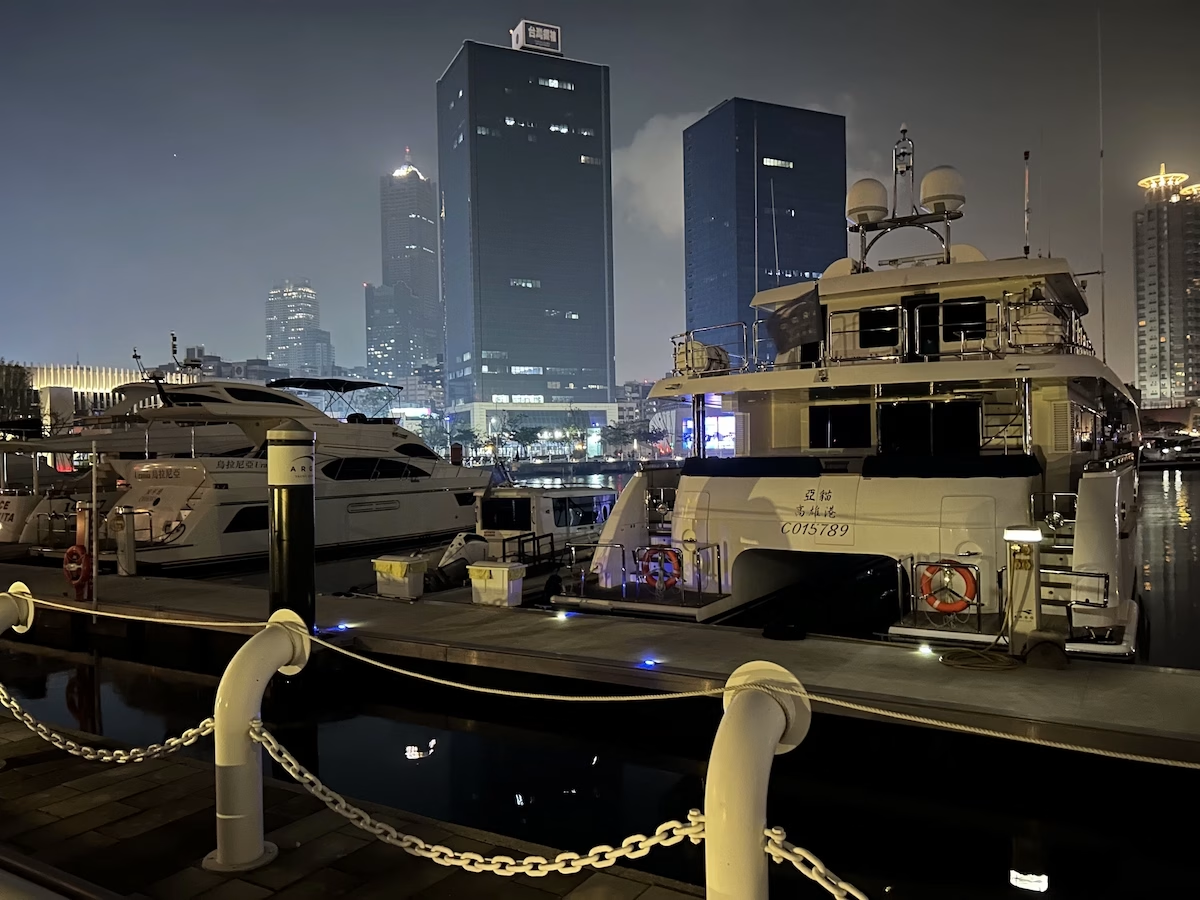
We continued our walk toward Central Park to see the nighttime light spectacle. It was during this walk that we really felt that “special vibe” of Kaohsiung. Despite being surrounded by grand skyscrapers, the streets were almost completely silent. We saw very few people, which made the walk through the park and the surrounding hidden alleys feel like a private tour of the city.
Pro Tip: Download an offline map, but don’t be afraid to wander into the side alleys between Central Park and the river. That’s where you’ll find the best street art and local performers tucked away in the quiet corners of the city.
Kaohsiung Day 2: Exploring Cijin Island & Local Night Markets
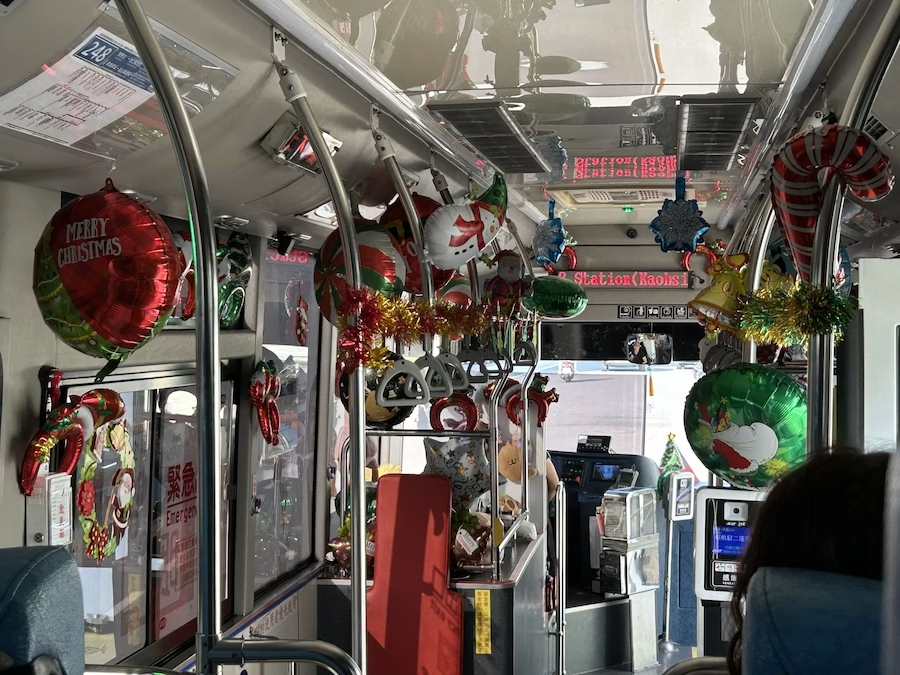
The second day of this Kaohsiung itinerary is dedicated to Cijin Island, a historic district that serves as a natural breakwater for Kaohsiung’s massive industrial harbor. While it’s a popular spot for visitors, it maintains a distinct, breezy island character that feels worlds away from the mainland’s skyscrapers.
How to Get to Cijin Island: Transport Tips
Getting to the island is simple and costs less than $1 USD. You have two main ways to reach the Gushan Ferry Pier from the city center:
- The Light Rail (LRT): This is the most scenic route for 2026 travelers. Take the LRT to the Hamasen stop, which is just a 3-minute walk from the pier.
- The Orange MRT Line: Take the subway to Sizihwan Station (Exit 1) and walk about 10 minutes through the historic neighborhood to reach the ferry.
Travel Tip: An EasyCard or iPASS is essential here. You simply tap your card at the ferry gate to board. The ride takes less than 10 minutes, but it offers a fantastic perspective of the massive container ships docked in the harbor.
Cijin Old Street: Fresh Seafood and Electric Bikes
Once you hop off the ferry, you are immediately on Cijin Old Street. The atmosphere is centered entirely around the ocean. You’ll see dozens of vendors grilling everything from giant squid to small local crabs. I found it best to “graze”—buying small portions from different stalls to try a variety of local delicacies.
Because the island is longer than it looks, I highly recommend renting an electric four-wheeler from the shops near the pier. It makes reaching the far ends of the island much more manageable in the southern Taiwan heat.
Cihou Fort & Lighthouse: The Best Views in Kaohsiung
To find the real magic of the island, leave the seafood stalls behind and follow the signs uphill toward Cihou Fort. It is a 10-15 minute walk up a paved path through the trees. As you climb, the market noise disappears, and you begin to see the vast expanse of the Taiwan Strait.
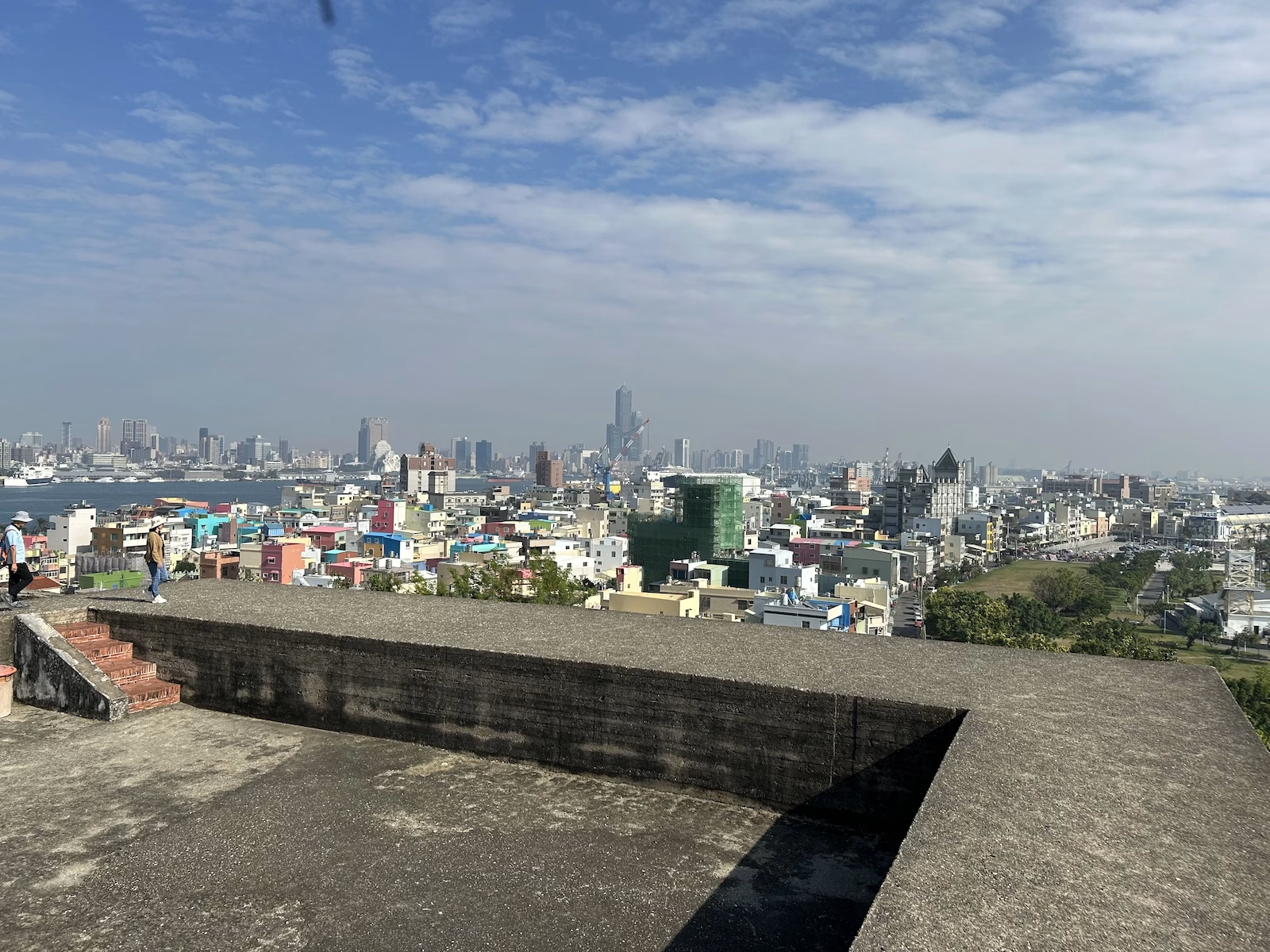
Cihou Fort is a weathered stone sentinel with centuries of history, blending Dutch origins with Qing Dynasty rebuilds. You can walk directly onto the old ramparts and stand beside the original cannons. From here, it’s a short, beautiful walk to the Kaohsiung Lighthouse. If you need a break, stop at Shoreline Coffee right by the lighthouse for a drink with what I consider the best panorama of the Kaohsiung skyline.
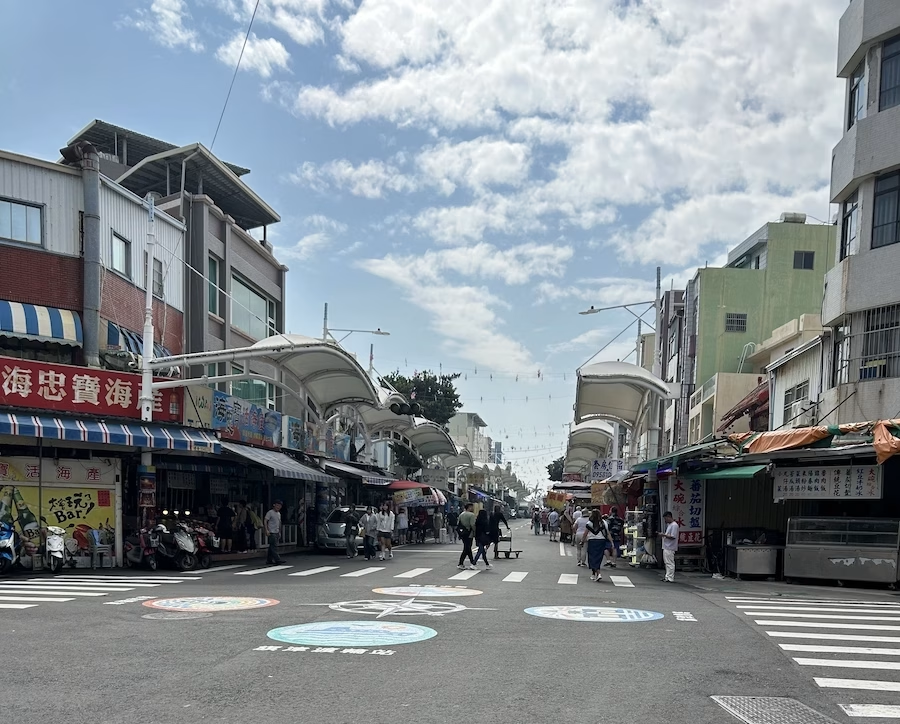
After the fort, we walked down to the Coral Reef Cliff. This rugged, limestone formation at the water’s edge is a perfect spot to pause and absorb the raw coastal beauty in total tranquility before heading back to the ferry.
“You go away for a long time and return a different person – you have been into the great machine, and it has stamped you.”
— Paul Theroux
Sunset at the Kaohsiung Music Center & Glory Pier
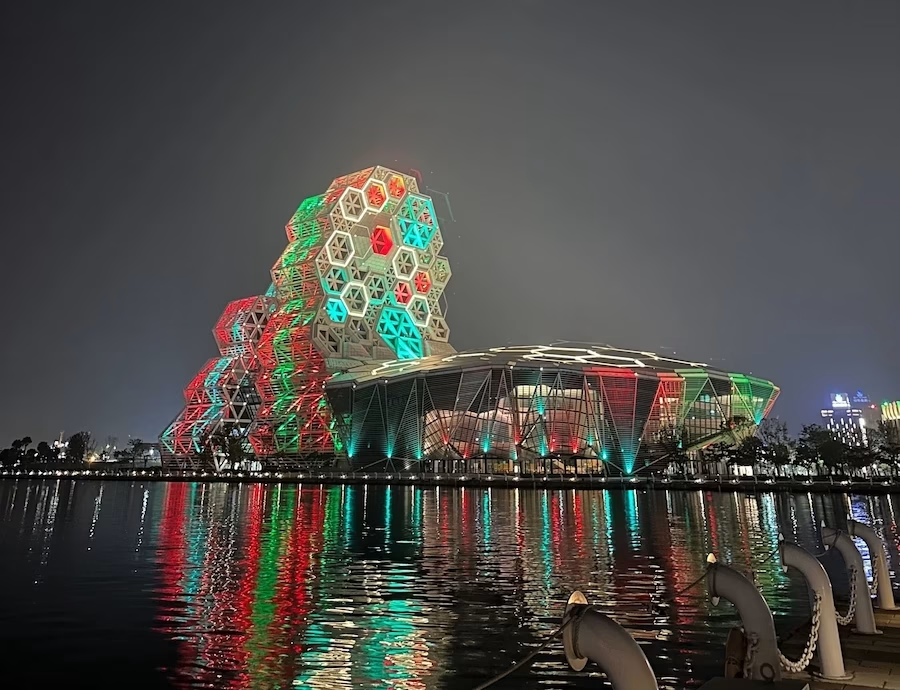
Returning to the mainland, we headed to Glory Pier to see the Kaohsiung Music Center. The architecture here is honeycomb-inspired and looks like something out of a sci-fi film. While it’s impressive during the day, it is breathtaking at night when the entire structure lights up and reflects on the water.
The atmosphere here perfectly captures that “relaxed vibe” I mentioned earlier. You’ll see locals cycling leisurely along the river and a cooling breeze coming off the harbor. It’s the perfect place for a contemplative walk far from the typical tourist crowds.
Dinner: Navigating Ruifeng Night Market Like a Local
To end our trip, we dove into the organized chaos of Ruifeng Night Market (accessible via the MRT at Kaohsiung Arena Station). While many tourists head to the more famous Liuhe Market, Ruifeng is where the locals go. It is a massive grid of stalls selling everything from fashion to food.
To thrive here:
- Follow the Lines: If a stall has a long queue (like the famous Angel Fried Chicken), the food is fresh and worth the wait.
- Point and Gesture: Don’t worry about the language barrier; vendors are used to it.
- Cash is Vital: While some larger stalls are starting to take Line Pay, 90% of Ruifeng is still cash-only.
Kaohsiung: The Unexpected Revelation
Kaohsiung was a revelation for us. We expected a dense, high-rise metropolis, but instead found a city that was quieter, more spacious, and deeply authentic. From the serene parks and futuristic harbor to the buzzing night markets, it offers a distinctly relaxed pace compared to Taipei.
This low-key charm makes Kaohsiung the ideal choice for experiencing the “real” Taiwan. It proves that the greatest adventures often lie in slowing down and truly absorbing your surroundings.
Essential Taiwan Travel Quick Tips (2026 Update)
| Travel Tip | Details for 2026 |
|---|---|
| SIM Card & Connectivity | Get a 4G/5G eSIM before you arrive. It is essential for using the “Bus+” app to track the Light Rail and buses in real-time. |
| Transport Cards | The EasyCard or iPASS works for everything: MRT, LRT, Buses, the Ferry, and even 7-Eleven. |
| Cash is King | Always carry TWD cash for night markets and smaller family-run eateries. They rarely accept international credit cards. |
| Be a Respectful Guest | A mindful attitude is the key to unlocking genuine cultural exchanges. Knowing a few basic Mandarin phrases like “Xie xie” (Thank you) goes a long way. |
A Journey to Remember
Kaohsiung’s inviting atmosphere and seamless transportation made it the perfect start to our southern Taiwan exploration. In just two days, you can see the highlights without ever feeling rushed. From here, we headed further south to Hengchun, the gateway to the stunning Kenting National Park.