


We’ve all seen the glossy photos of Chiang Mai’s misty mountains and cozy rainy-day cafes.
But for those of us who live and work here, 2024 changed the narrative. The floods weren’t just a “weather event”; they were a logistical hurdle that tested the city’s infrastructure and the nomad community’s resilience.
To thrive as a remote worker in Chiang Mai today, you need to look past the brochures. We’re diving into the hard truths about the rainy season: which areas to avoid, how to protect your productivity, and the safety secrets every slow traveler needs to know before the clouds roll in.
Understanding Chiang Mai’s 2024 Flood
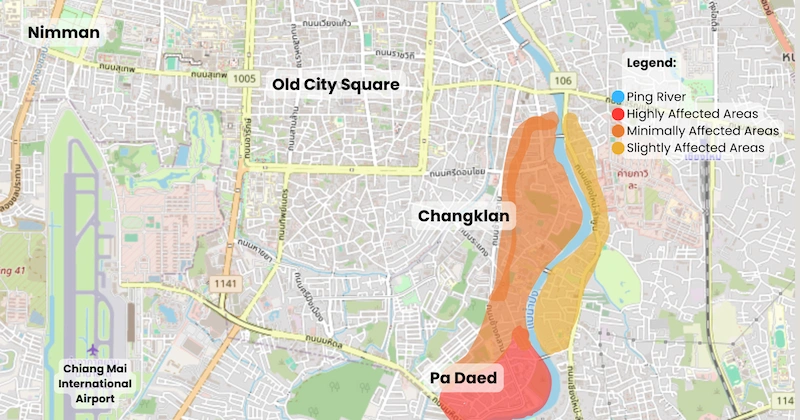
The flood of late September and early October 2024 was the most severe Chiang Mai had witnessed in decades. Triggered by prolonged heavy rainfall intensified by a typhoon, the event served as a critical benchmark for the city’s vulnerability.
The situation escalated dramatically between September 25th and October 6th. The Ping River first breached its banks and then swelled to a historic 50-year peak of 5.3 meters, causing a second, more severe wave of flooding.


Key Impacts:
Widespread Inundation: Critical economic and residential zones were submerged. This included areas along the Ping River, the Night Bazaar, Chang Klan Road, and major markets like Warorot. Water levels in some districts exceeded one meter.
Major Disruptions: The flood caused billions of baht in damage to homes and businesses. Key infrastructure, including the main train station, was forced to shut down. Roads became impassable, and some neighborhoods lost power.
Challenges for Remote Workers: The event created significant obstacles for digital nomads. Internet connectivity became unstable in flooded zones, while business closures and travel restrictions heavily disrupted daily routines.
Human and Environmental Toll: The floods resulted in at least three fatalities and required the evacuation of residents and tourists from the hardest-hit areas, with shelters established for those displaced.

Thailand, like much of Southeast Asia, experiences a distinct monsoon climate, characterized by:
- a dry season (roughly November to February),
- a hot season (March to May),
- and a rainy season (May/June to October/November).
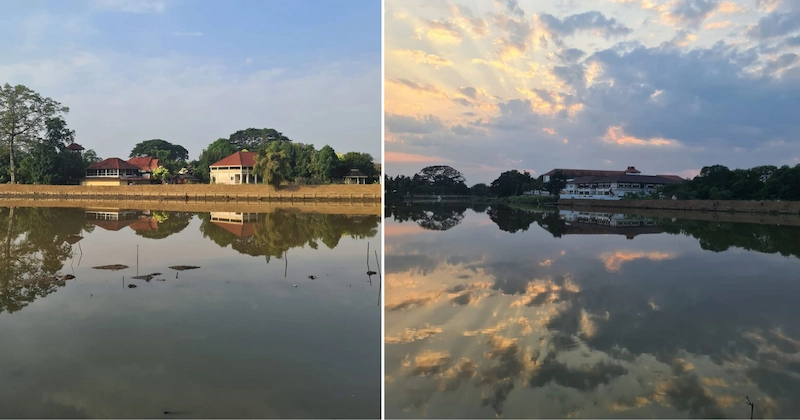
Strategic Solutions: Where to Stay and When to Travel
Navigating Chiang Mai’s flood risks effectively boils down to two primary strategies: choosing your location wisely and timing your visit appropriately. As a digital nomad, your flexibility is your greatest asset, and leveraging it can significantly mitigate potential disruptions.
Where to Stay
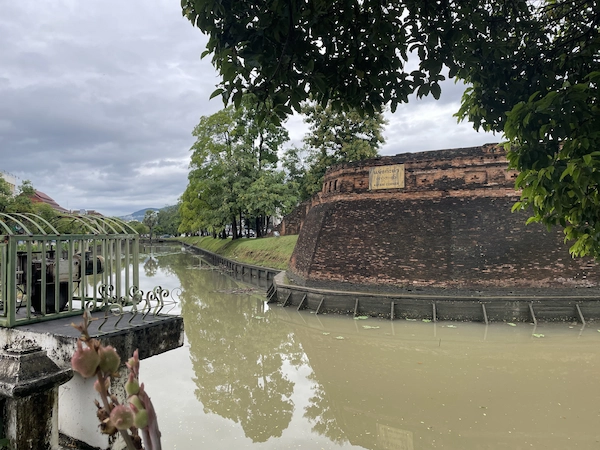
Generally, the closer you are to the Ping River, or if you’re in a low-lying area within the Old City moat, the higher your risk of experiencing some form of inundation.
When selecting accommodation for a long-term stay, or even for a shorter visit during the rainy season, prioritize locations known for better drainage and higher elevation:
- Nimmanhaemin Road Area: While some specific streets and basements can still experience water pooling during exceptionally heavy rains, it typically drains much faster than the Old City. Nimman also offers a plethora of cafes, restaurants, and Chiang Mai’s best co-working spaces, meaning you’re less likely to be cut off from essential services and work environments even if local roads are temporarily wet. You can find many of the top condos listed by neighborhoods in Chiang Mai here, which often offer elevated living.
- Areas Along Suthep Road Towards the Mountain: As you head west from the city towards Doi Suthep, the elevation gradually increases. Neighborhoods like Jed Yod, parts of Chang Phueak, or areas slightly up the mountain offer excellent drainage.
- Specific Modern Condo Developments: Many newer condominium complexes across the city are designed with better drainage systems and often have elevated ground floors or parking. Look for properties slightly set back from main roads or riverbanks.
When to Travel
The timing of your stay can significantly influence your experience with Chiang Mai’s weather, and by extension, its flood risks. If avoiding heavy rain is a top priority for you, aim for these periods:
- Dry Season (November to February): This is arguably the most popular time to visit Chiang Mai, and for good reason. The weather is cool, dry, and sunny, with low humidity and rainfall is minimal to non-existent. The only downside is that this is peak tourist season, meaning higher prices for accommodation and more crowded attractions.
- Early Rainy Season (May/June): The rains typically begin in May or June, but often with lighter, more predictable patterns. These early showers can be a welcome relief after the hot season, clearing the air and making the landscape lush and green. In fact, a cool, rainy day provides the perfect atmosphere for a relaxing visit to one of the amazing Thailand hot springs just outside the city. While you’ll experience rain, it’s less likely to cause widespread flooding during this period.
Months to exercise greater caution, or to plan for with increased preparedness, are:

- Peak Rainy Season (September to October): These months typically see the heaviest and most consistent rainfall. This is when the risk of significant flooding, especially flash floods or river overflow, is highest. If your work allows, you might consider scheduling a period of travel outside Chiang Mai during these months.
Practical Solutions and Mitigation Strategies
Facing these challenges requires a proactive, pragmatic approach. Here’s how you can mitigate the impact:
- Connectivity Redundancy: Don’t rely on just your home Wi-Fi. Invest in a Thai SIM card with ample data (e.g., AIS, TrueMove H, DTAC) and consider a portable Wi-Fi device or a second SIM from a different provider. Have a fully charged power bank at all times.
- Local Knowledge is King: Beyond choosing a generally safe neighborhood from Chiang Mai’s 5 best neighborhoods for digital nomads, connect with locals and long-term expats. Join city-specific expat Facebook groups. When a storm hits, these communities are invaluable for real-time updates.
- Preparedness Kit: Keep a small emergency kit ready. This might include a flashlight, first-aid supplies, a portable power bank, essential medicines, and some non-perishable snacks.
- Flexible Work Schedule: If your work allows, be flexible. If a heavy downpour is forecast for the afternoon, try to complete critical tasks in the morning. If your area floods, be prepared to work from a co-working space or cafe.
- Health Precautions: Use mosquito repellent diligently, especially during and after rain. Avoid wading through floodwaters if possible, and maintain good hygiene.
For a Flood-Ready Chiang Mai Experience
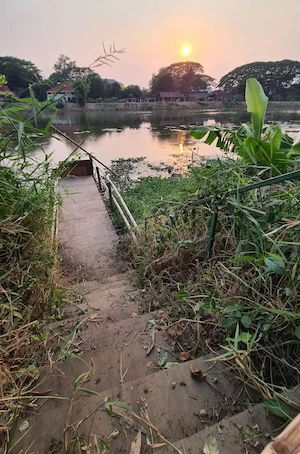
Chiang Mai’s appeal remains resilient, but the “new normal” for nomads involves a shift from passive observation to active preparation.
The 2024 floods proved that the most successful remote workers aren’t just those with the best gear, but those with the best local intel.
By prioritizing high-ground accommodation, understanding the Ping River’s patterns, and timing your arrival strategically, you can enjoy the lush beauty of the monsoon without the logistical nightmares.
The rainy season is still a magical time to be in Northern Thailand… provided you’ve done the homework to stay dry and connected.